Why it works: Sugar and lemon are a kitchen classic. They rank in the top 18% of all ingredient pairs, and cooks put them together in 53,532 recipes. Both carry 2-nonenal, which smells fatty, green. The science ↓
Lemon Pastils
Ingredients
Directions
The book gives no oven temperature. The 300°F (150°C) in the steps was added when the recipe was transcribed, as a starting point.
Make the paste
Squeeze the juice of 3-4 lemons over the sifted sugar in a plate.
Mix well with a spoon until it forms a thick paste.
Dry and finish
Drop the mixture onto a sheet of paper in round, flat drops the size of a sixpence.
Place the paper in a 300 °F (150 °C) oven until the pastils are completely dry.
Remove the pastils from the paper.
Transcribed from a scanned cookbook and modernised for today's kitchens. Where the book gave no heat or time, or said "a moderate oven", the temperatures and times here may be modern equivalents rather than the book's own figures.
Explore the science
The flavor team
The pairs that carry this dish. Each one is judged two ways: how much their aromas overlap, and how often cooks already put them together.
-
Sugar + lemontop 18% of all pairsSmell alikelowCooked together53,532 recipes
Shared aroma: 2-nonenal (fatty, green).
Sugar and lemon barely smell alike, yet cooks put them together in 53,532 recipes: they work on texture and structure more than aroma.
Ranks compare each pair with 20,000 random ingredient pairs on CompKitchen. How we score pairs
What each ingredient does
- Pounded loaf sugar
- Provides sweetness and the bulk that the lemon juice sets into a thick paste.
- Lemons
- Supply the acidity and flavour, and their juice moistens the sugar into a workable paste.
The step that matters
Drying in the oven until completely dry. Sugar paste dries into a firm, chewy pastille only when the moisture has fully evaporated at low heat. Stopping early leaves the centres soft and sticky, while excessive heat can brown the sugar and make it tacky or bitter.
“What each ingredient does” and “The step that matters” were written by Claude from this recipe’s own method and reviewed in samples by CompKitchen.
You might also like
 Lemon Cake228 recipes
 Lemon Ice147 recipes
 Lemon Sherbet103 recipes
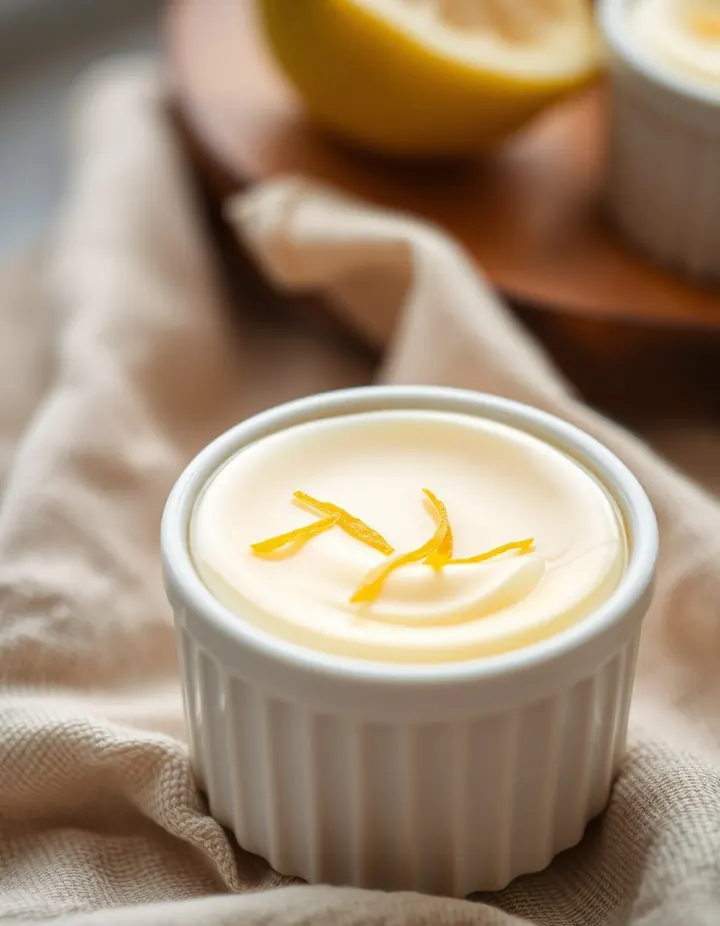 Lemon Custard64 recipes
The free Flavor Lab newsletter: one surprising pairing a week and the molecular reason it works, in 60 seconds. No spam, unsubscribe anytime.
Prefer an account? Create a free account to save pairings and unlock the full chemistry.