Why it works: Sugar and apricot are a kitchen classic. They rank in the top 18% of all ingredient pairs, and cooks put them together in 3,630 recipes. Both carry 2-nonenal, which smells fatty, green. The science ↓
Apricot Tourte
Ingredients
Directions
The book says “a brisk oven”. The 350°F (175°C) in the steps is the modern equivalent, not the book's own figure.
Prepare the pastry
Prepare the puff pastry and roll it out to a round sheet, 11 inches in diameter.
Cut a ring of pastry, 2 inches wide, and place it on the round sheet.
Wet the edges of the ring and press to seal.
Fill
Sprinkle 1 tablespoon of pounded sugar over the bottom.
Arrange the quartered apricots on top, rolled in 4 ounces of pounded sugar, avoiding the edges.
Bake
Bake in a 350°F (175°C) oven for 10 minutes.
Transcribed from a scanned cookbook and modernised for today's kitchens. Where the book gave no heat or time, or said "a moderate oven", the temperatures and times here may be modern equivalents rather than the book's own figures.
Explore the science
The flavor team
The pairs that carry this dish. Each one is judged two ways: how much their aromas overlap, and how often cooks already put them together.
-
Sugar + apricottop 18% of all pairsSmell alikelowCooked together3,630 recipes
Shared aroma: 2-nonenal (fatty, green).
Ranks compare each pair with 20,000 random ingredient pairs on CompKitchen. How we score pairs
What each ingredient does
- Puff pastry
- Forms flaky, layered structure that puffs and rises as it bakes.
- Apricots
- Provide fruit flavour and moisture that softens and tenderises as they bake.
- Pounded sugar
- Adds sweetness and helps the apricots caramelise slightly on the surface.
The step that matters
Sealing the pastry ring. Wetting and pressing the ring edges seals the border so steam from the butter layers is trapped and the rim puffs up. Keeping the filling off the edges stops it from blocking that rise or leaking out during baking.
“What each ingredient does” and “The step that matters” were written by Claude from this recipe’s own method and reviewed in samples by CompKitchen.
You might also like
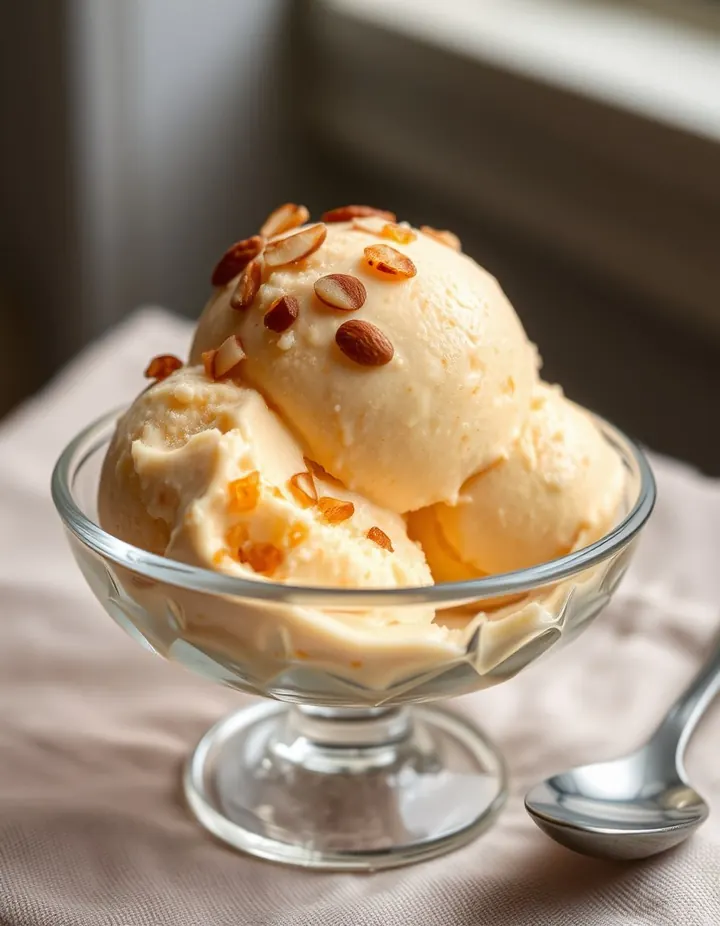 Apricot Ice Cream26 recipes
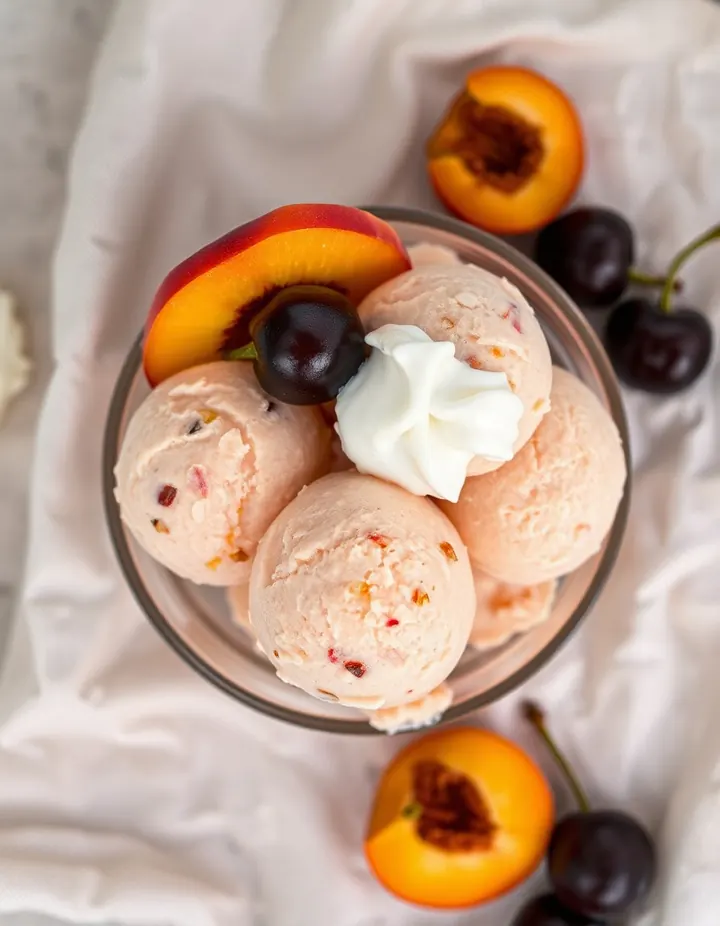 Mixed Fruit Sherbet6 recipes
 White Cake431 recipes
 Pound Cake373 recipes
The free Flavor Lab newsletter: one surprising pairing a week and the molecular reason it works, in 60 seconds. No spam, unsubscribe anytime.
Prefer an account? Create a free account to save pairings and unlock the full chemistry.