Why it works: Plum and sugar are a kitchen classic. They rank in the top 21% of all ingredient pairs, and cooks put them together in 2,313 recipes. Both carry 1-penten-3-one, which smells fish, pungent. The science ↓
Plum Paste
Ingredients
Directions
Prepare the plum pulp
Remove the stones from the plums and place them in a preserving pan with a little water.
Boil the plums until they turn to a pulp.
Pass the pulp through a fine sieve back into the pan.
Boil the pulp, stirring continuously until thick.
Weigh the thickened pulp and add 10 ounces of sugar for each pound of pulp.
Cook the paste
Clarify the sugar in a preserving pan.
Boil the clarified sugar until it reaches the feather stage.
Add the fruit pulp to the clarified sugar.
Boil for one more minute.
To test if it's done, drop a little from a spoon to see if it jellies.
Pour the mixture onto a flat tin sheet.
Spread it with a knife.
Set and store
Place it in a warm closet for a day.
Cut the paste into shapes.
Store them in boxes or tins with paper between the layers.
Transcribed from a scanned cookbook and modernised for today's kitchens. Where the book gave no heat or time, or said "a moderate oven", the temperatures and times here may be modern equivalents rather than the book's own figures.
Explore the science
The flavor team
The pairs that carry this dish. Each one is judged two ways: how much their aromas overlap, and how often cooks already put them together.
-
Plum + sugartop 21% of all pairsSmell alikelowCooked together2,313 recipes
Shared aroma: 1-penten-3-one (fish, pungent).
Ranks compare each pair with 20,000 random ingredient pairs on CompKitchen. How we score pairs
What each ingredient does
- Plums
- Provide the fruit pulp that forms the body and flavour of the paste.
- Sugar
- Sweetens the paste and, with the pectin in the fruit, helps it set firm when boiled.
The step that matters
Testing for the set. Boiling must be stopped at the right point. Undercooked paste stays soft and sticky, while overcooked paste turns hard and sugary. A drop on a cold spoon that jellies shows the pectin and sugar have reached the setting point.
“What each ingredient does” and “The step that matters” were written by Claude from this recipe’s own method and reviewed in samples by CompKitchen.
You might also like
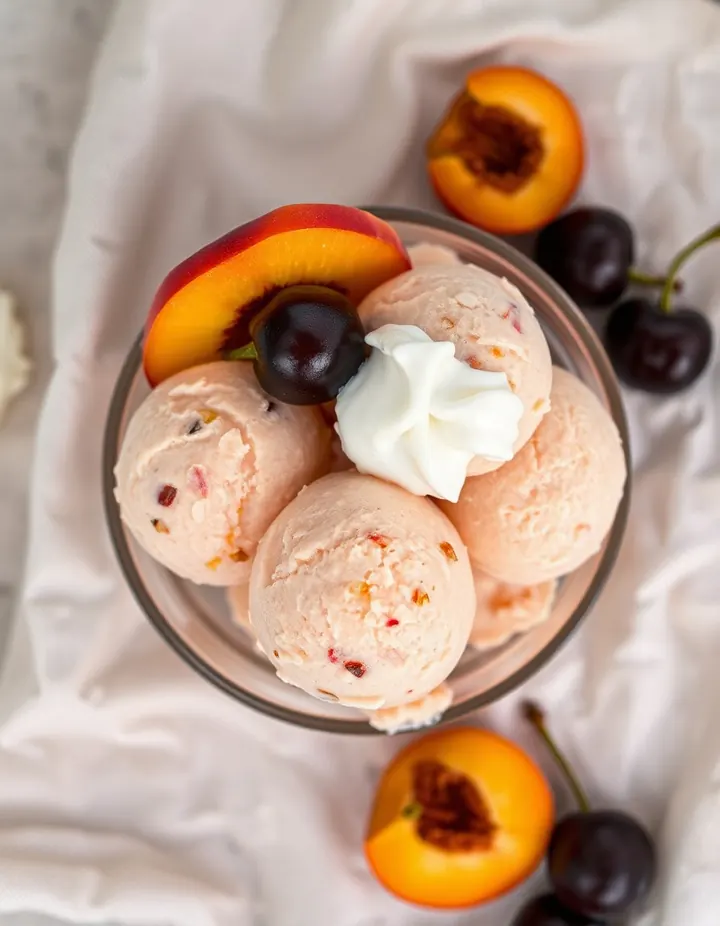 Mixed Fruit Sherbet6 recipes
 White Cake431 recipes
 Pound Cake373 recipes
 Orange Bundt Cake349 recipes
The free Flavor Lab newsletter: one surprising pairing a week and the molecular reason it works, in 60 seconds. No spam, unsubscribe anytime.
Prefer an account? Create a free account to save pairings and unlock the full chemistry.