Why it works: Anchovy and sauce are a kitchen classic. They rank in the top 2% of all ingredient pairs, and cooks put them together in 2,057 recipes. Both carry ethanol, which smells alcoholic, ethereal. The science ↓
To Dress Fish
Ingredients
Directions
Cure the fish
Pound saltpetre, coarse sea salt, and coarse sugar together.
Rub the mixture into the salmon and let it drain for 24 hours.
Rub the salmon with common salt and let it sit for another 24 hours.
Dry the salmon thoroughly, hanging it in a chimney with a wood fire or in a dry place, propped open with two small sticks.
Broil the fish
Wash and dry trout well, then tie it with packthread to maintain its shape.
Melt butter with basket salt and cover the trout with it.
Broil the trout over a clear fire at a distance, cooking it gradually.
Make the sauce and serve
Wash and bone the anchovy, chop it small with capers.
Melt butter with a little flour, pepper, salt, nutmeg, and vinegar, then pour this sauce over the trout and serve hot.
Cover turbot in cold water, add a handful of salt and a glass of vinegar, and let it boil gradually.
If the fish is not done in the middle, make small slits down the back and belly with a sharp knife.
Skim the water well, garnish with curled parsley, lemon, and horse-radish, and serve with lobster, anchovy butter, and plain butter in separate dishes.
Transcribed from a scanned cookbook and modernised for today's kitchens. Where the book gave no heat or time, or said "a moderate oven", the temperatures and times here may be modern equivalents rather than the book's own figures.
Explore the science
The flavor team
The pairs that carry this dish. Each one is judged two ways: how much their aromas overlap, and how often cooks already put them together.
-
Anchovy + saucetop 2% of all pairsSmell alikemoderateCooked together2,057 recipes
Shared aroma: ethanol (alcoholic, ethereal).
-
Capers + flourtop 6% of all pairsSmell alikestrongCooked together1,024 recipes
Shared aroma: isobutyraldehyde (malty, green).
-
Capers + nutmegtop 7% of all pairsSmell alikestrongCooked together211 recipes
Shared aroma: coumarin (sweet, hay).
-
Pepper + nutmegtop 7% of all pairsSmell alikestrongCooked together13,015 recipes
Shared aroma: 4'-methylacetophenone (bitter almond).
-
Anchovy + caperstop 8% of all pairsSmell alikemoderateCooked together473 recipes
Shared aroma: 2-methylbutyraldehyde (malty, chocolate).
Ranks compare each pair with 20,000 random ingredient pairs on CompKitchen. How we score pairs
What each ingredient does
- Saltpetre
- Helps cure the fish, firming its flesh and preserving it during the long salting.
- Coarse sea salt
- Draws moisture out of the fish and firms its flesh during curing.
- Coarse sugar
- Balances the harshness of the salt and adds mild sweetness to the cure.
- Butter
- Adds moisture and richness to the fish while it broils, and forms the base of the sauce.
- Anchovy
- Gives the butter sauce a salty, savoury depth of flavour.
- Flour
- Thickens the melted butter so the sauce clings to the fish.
The step that matters
Broil the trout over a clear fire at a distance. Thick fish must cook slowly so the heat reaches the middle. Too close or too hot, the outside scorches and the centre stays raw, which is why the slits are made if it is not done in the middle.
Swap the nutmeg
How well each one fits the dish's main ingredients (sugar, butter, anchovy, capers, sauce, flour, pepper):
- Parsleyfits better
- Tarragonfits about as well
- Nutmegthe original
- Turmericfits about as well
Fit is the average pairing score against sugar, butter, anchovy, capers, sauce, flour, pepper. Candidates are from the same food group and used in at least 100 recipes.
“What each ingredient does” and “The step that matters” were written by Claude from this recipe’s own method and reviewed in samples by CompKitchen.
You might also like
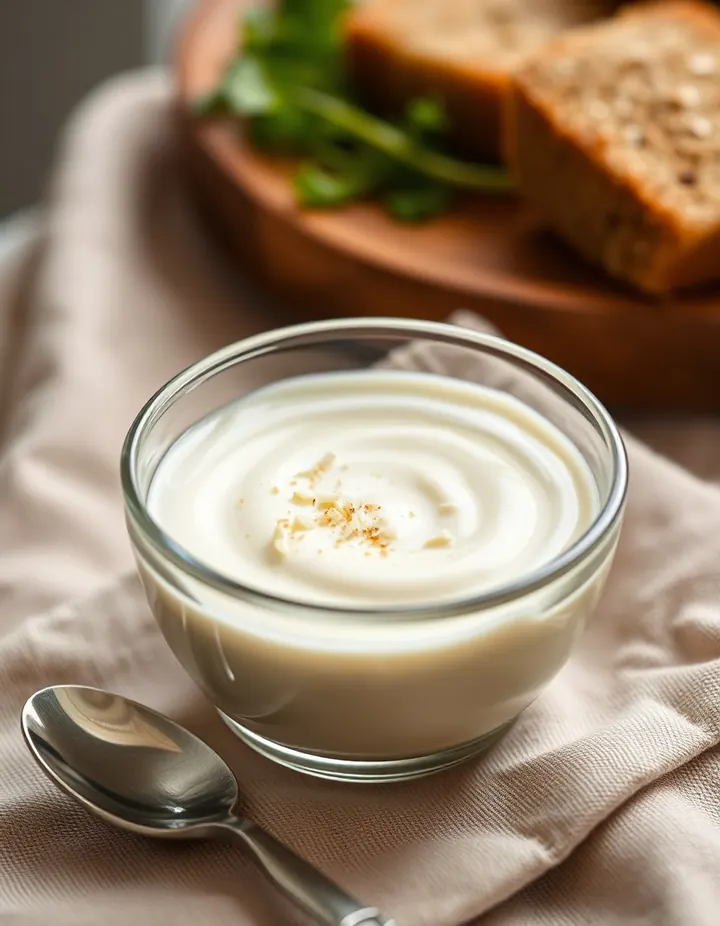 Horseradish Sauce23 recipes
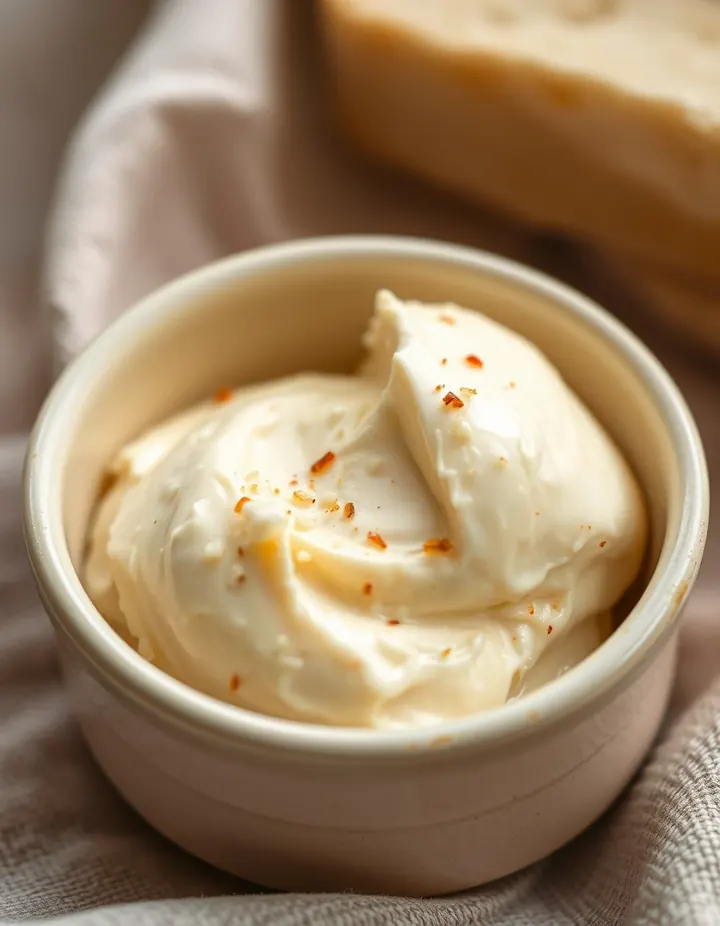 Horseradish Butter6 recipes
 Lemon Sauce236 recipes
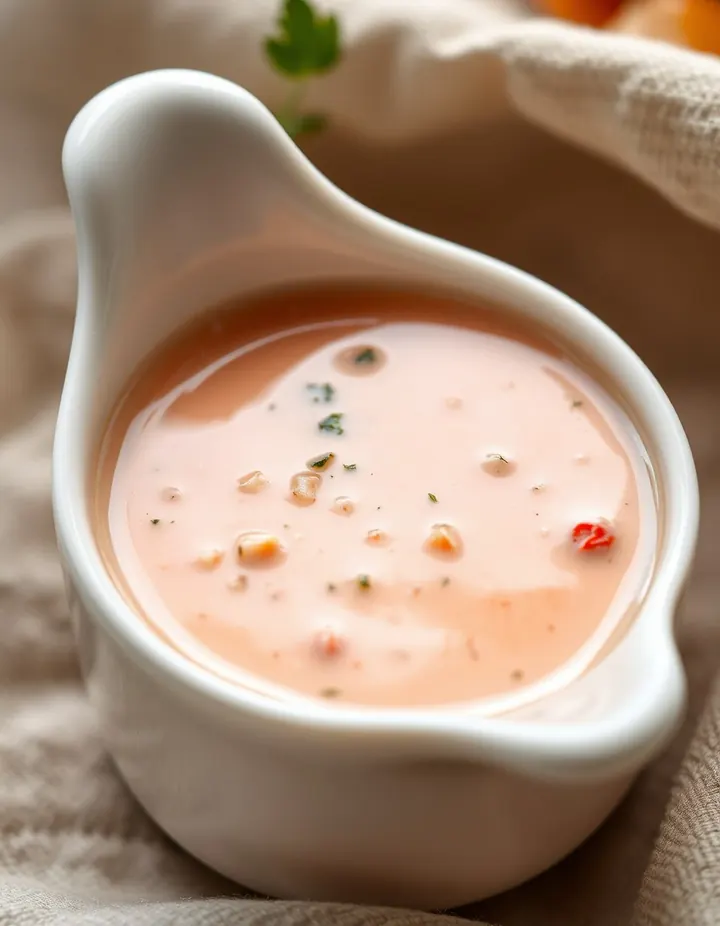 Lobster Sauce174 recipes
The free Flavor Lab newsletter: one surprising pairing a week and the molecular reason it works, in 60 seconds. No spam, unsubscribe anytime.
Prefer an account? Create a free account to save pairings and unlock the full chemistry.