Why it works: Nutmeg and clove match in chemistry and in kitchens. They rank in the top 1% of all ingredient pairs, and cooks put them together in 8,686 recipes. Both carry estragole, which smells anise, licorice. The science ↓
Potted Lobster
Ingredients
Directions
The book says “a slow oven”. The 300°F (150°C) in the steps is the modern equivalent, not the book's own figure.
Prepare the lobster
Half boil the lobster and remove the meat as whole as possible.
Split the tail and remove the gut; add the inside if not watery.
Season the lobster meat with mace, nutmeg, white pepper, salt, and finely powdered cloves.
Bake and pot
Lay a little butter at the bottom of a baking pan and place the lobster on top with bay leaves in between.
Cover the lobster with butter and bake gently at 300°F (150°C) until done.
Pour the contents onto a sieve and use a fork to lay the pieces into potting pots, adding seasoning.
Set and serve
When cold, pour clarified butter over the lobster, ensuring it is not hot.
Let it sit overnight; it will be ready to eat the next day.
Transcribed from a scanned cookbook and modernised for today's kitchens. Where the book gave no heat or time, or said "a moderate oven", the temperatures and times here may be modern equivalents rather than the book's own figures.
Explore the science
The flavor team
The pairs that carry this dish. Each one is judged two ways: how much their aromas overlap, and how often cooks already put them together.
-
Nutmeg + clovetop 1% of all pairsSmell alikestrongCooked together8,686 recipes
Shared aroma: estragole (anise, licorice).
-
Mace + nutmegtop 4% of all pairsSmell alikemoderateCooked together6,557 recipes
Shared aroma: myristicin (spice, warm).
-
Mace + clovetop 6% of all pairsSmell alikelowCooked together8,400 recipes
Shared aroma: methyleugenol (clove, spice).
-
Mace + white peppertop 9% of all pairsSmell alikemoderateCooked together1,695 recipes
Shared aroma: myrcene (balsamic, herbaceous).
-
White pepper + nutmegtop 13% of all pairsSmell alikelowCooked together1,375 recipes
Shared aroma: eucalyptol (eucalyptus, herbal).
Ranks compare each pair with 20,000 random ingredient pairs on CompKitchen. How we score pairs
What each ingredient does
- Lobster meat
- Forms the main body of the dish, giving it its texture and flavour.
- Butter
- Adds richness and moisture, and seals the lobster from drying during gentle baking.
- Clarified butter
- Forms a sealing layer over the potted lobster that helps preserve it and adds richness.
- Mace
- Adds a warm, aromatic flavour that complements the lobster.
- Nutmeg
- Adds a warm, sweet aroma that complements the seafood.
The step that matters
Pour the clarified butter only when the lobster is cold. Clarified butter poured over hot lobster can melt into it and fail to form a clean seal, while pouring it cold lets it set into a protective layer that keeps the meat moist and airtight.
Swap the clove
The recipe marks clove as optional. How well each one fits the dish's main ingredients (lobster, meat, mace, white pepper, nutmeg, butter):
- Allspicefits about as well
- Cinnamonfits about as well
- Parsleyfits about as well
- Clovethe original
Fit is the average pairing score against lobster, meat, mace, white pepper, nutmeg, butter. Candidates are from the same food group and used in at least 100 recipes.
“What each ingredient does” and “The step that matters” were written by Claude from this recipe’s own method and reviewed in samples by CompKitchen.
You might also like
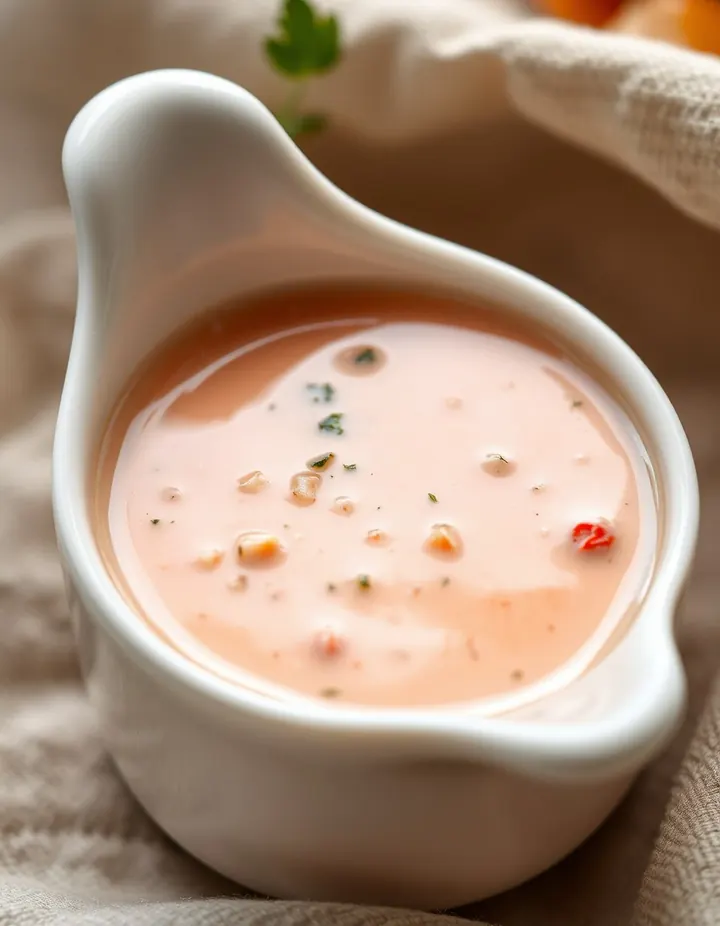 Lobster Sauce174 recipes
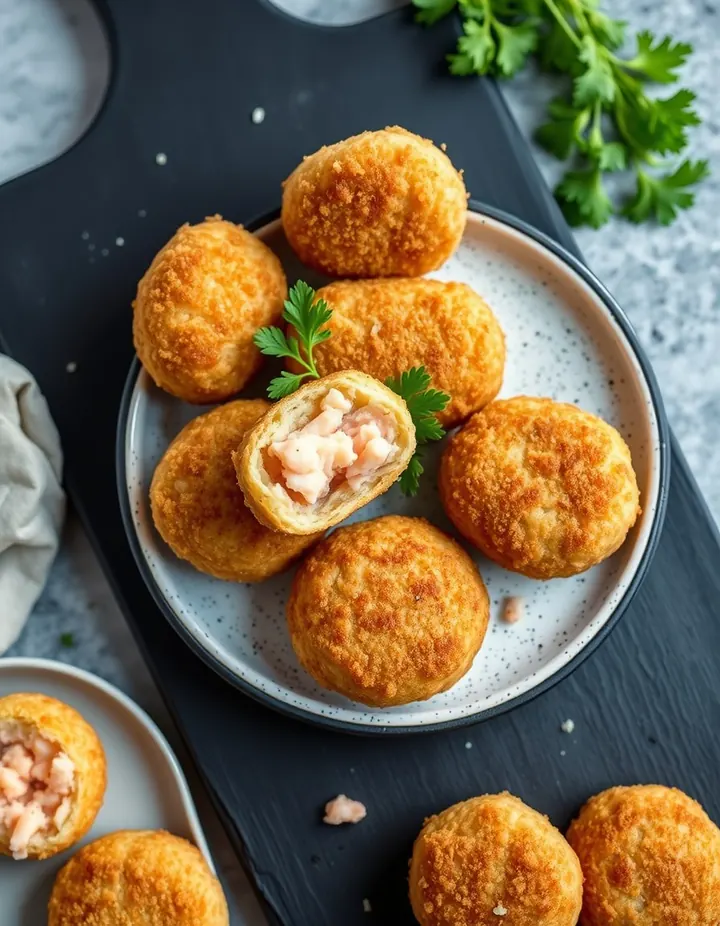 Lobster Croquettes99 recipes
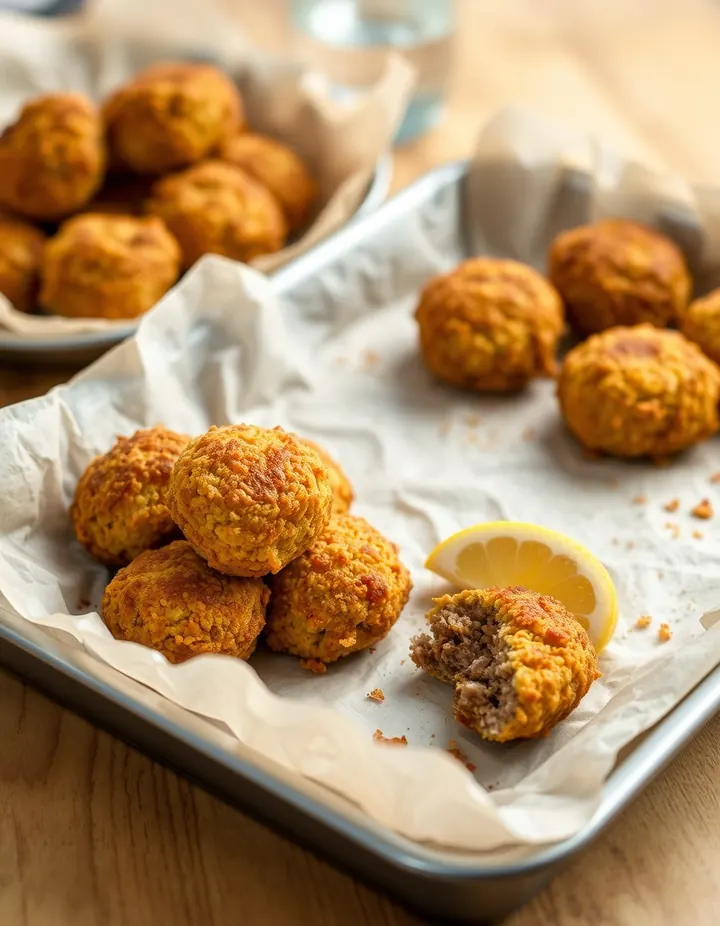 Meat Croquettes52 recipes
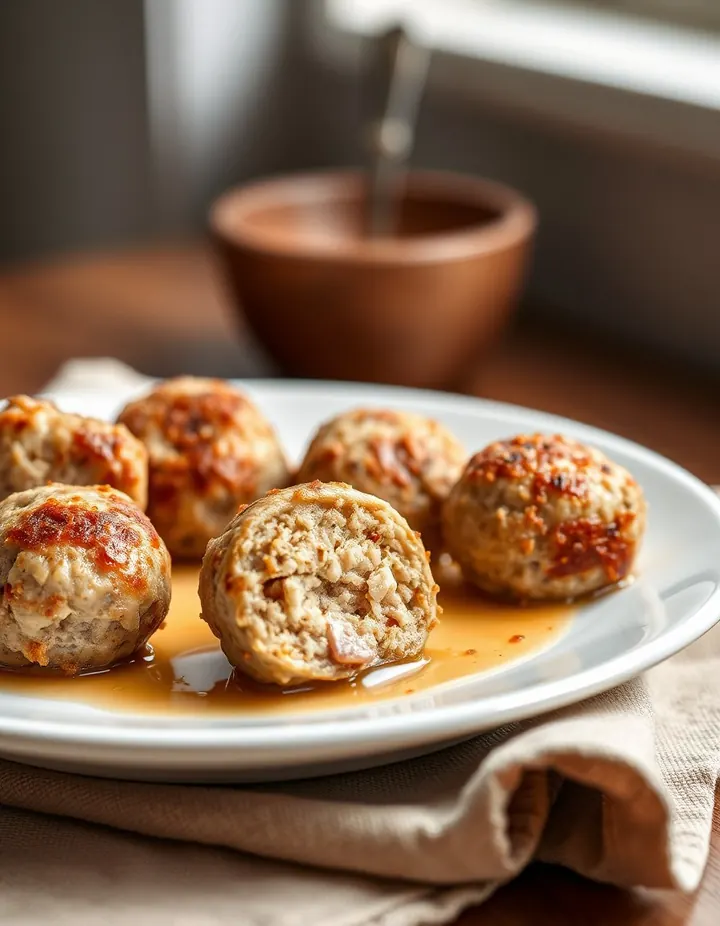 Meatballs37 recipes
The free Flavor Lab newsletter: one surprising pairing a week and the molecular reason it works, in 60 seconds. No spam, unsubscribe anytime.
Prefer an account? Create a free account to save pairings and unlock the full chemistry.