Why it works: Veal and asparagus work together. They rank in the top 19% of all ingredient pairs, and cooks put them together in 300 recipes. Both carry 2,4-nonadienal, which smells fatty, green. The science ↓
Consomme Aux Pointes D'asperges
eight servingsIngredients
Directions
Prepare the broth
Prepare a clear, well-flavored veal broth for eight servings.
Cut the tender green ends of the asparagus into pieces half an inch long.
Set the asparagus pieces aside and discard the tough ends.
Boil the tough ends in the broth to flavor it.
Cook the asparagus
In a separate pot, boil enough broth to cook the asparagus pieces.
Add the asparagus to the boiling broth and cook until tender.
Finish and serve
Drain the asparagus and add it to the strained and cleared consommé.
Heat the consommé to serving temperature and serve.
Transcribed from a scanned cookbook and modernised for today's kitchens. Where the book gave no heat or time, or said "a moderate oven", the temperatures and times here may be modern equivalents rather than the book's own figures.
Explore the science
The flavor team
The pairs that carry this dish. Each one is judged two ways: how much their aromas overlap, and how often cooks already put them together.
-
Veal + asparagustop 19% of all pairsSmell alikelowCooked together300 recipes
Shared aroma: 2,4-nonadienal (fatty, green).
Ranks compare each pair with 20,000 random ingredient pairs on CompKitchen. How we score pairs
What each ingredient does
- Veal broth
- Forms the clear base, giving the consommé its body and savory depth of flavor.
- Asparagus
- Adds fresh vegetable flavor and a tender bite to the clear broth.
The step that matters
Heat the consommé gently. A clarified consommé can turn cloudy if it is boiled hard, because vigorous boiling disturbs the clearing particles and breaks up the clear liquid. Gentle heating keeps it bright and clean-tasting.
“What each ingredient does” and “The step that matters” were written by Claude from this recipe’s own method and reviewed in samples by CompKitchen.
You might also like
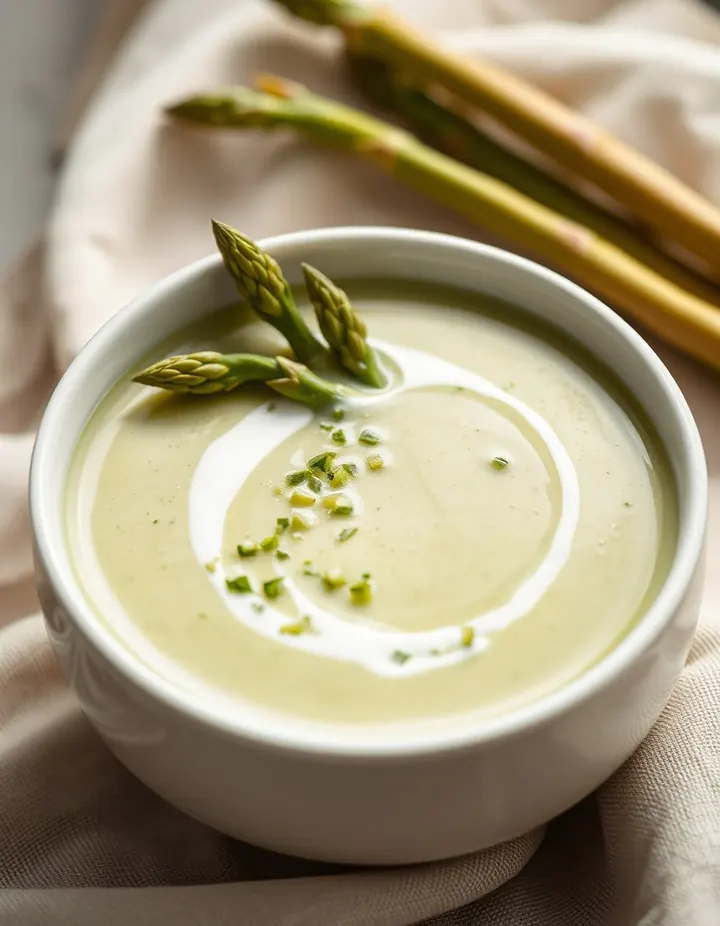 Asparagus Soup179 recipes
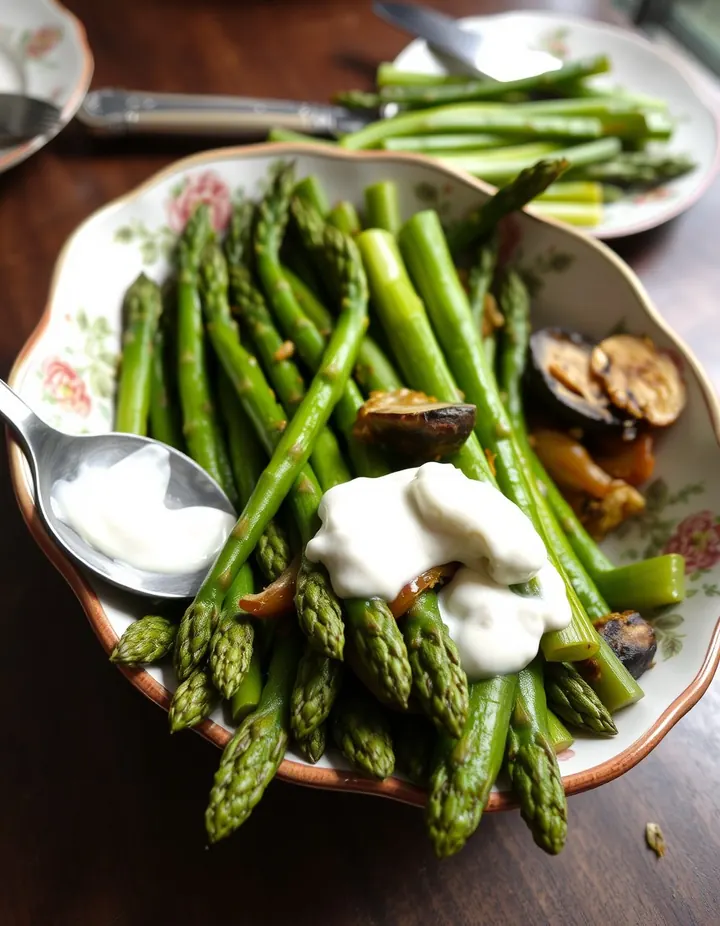 Asparagus Salad77 recipes
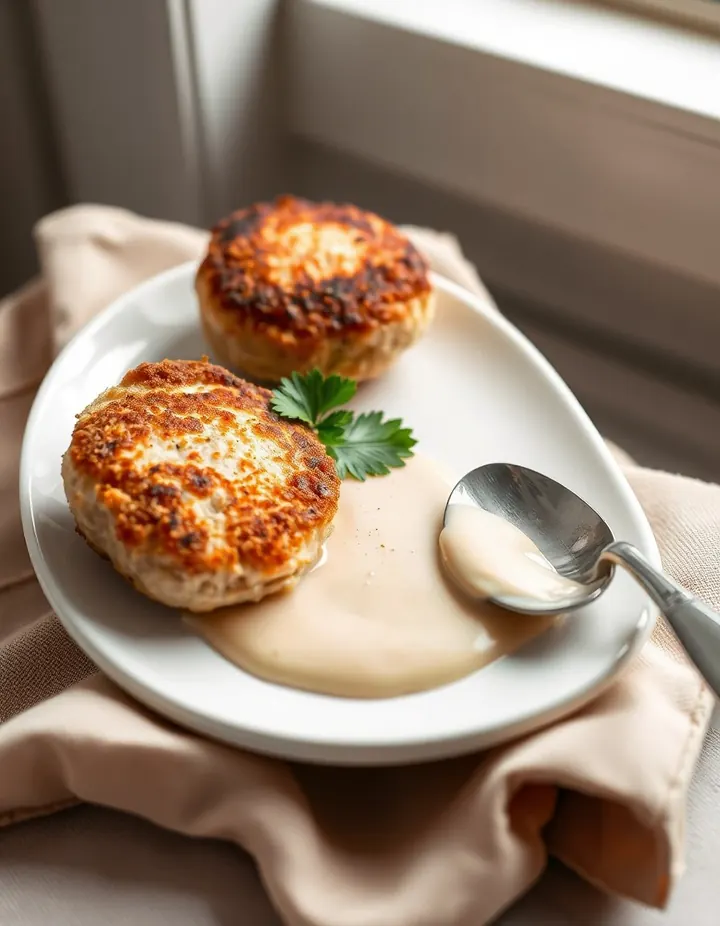 Veal Patties50 recipes
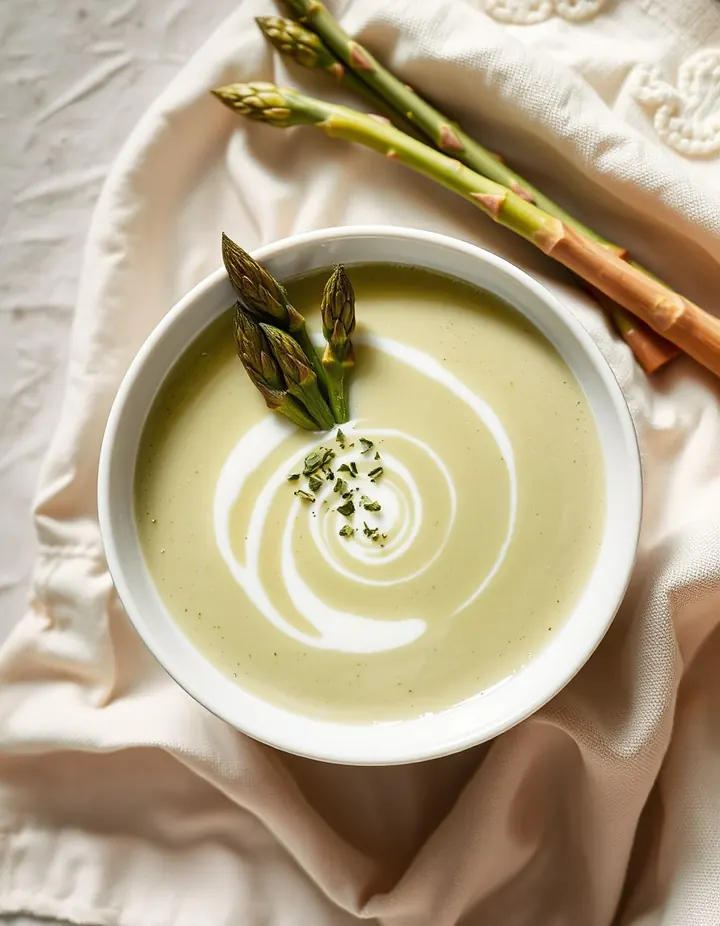 Cream of Asparagus38 recipes
The free Flavor Lab newsletter: one surprising pairing a week and the molecular reason it works, in 60 seconds. No spam, unsubscribe anytime.
Prefer an account? Create a free account to save pairings and unlock the full chemistry.