Why it works: Flour and butter are a kitchen classic. They rank in the top 12% of all ingredient pairs, and cooks put them together in 124,287 recipes. Both carry isobutyraldehyde, which smells malty, green. The science ↓
To Make Rough Puff Pastry
Ingredients
Directions
The book says “a very hot oven”. The 400°F (200°C) in the steps is the modern equivalent, not the book's own figure.
Prepare the dough
Combine flour and butter on a clean surface, cutting the butter into pieces the size of a large bean.
Transfer the mixture to a bowl and add cold water and lemon juice to form a paste that is almost wet enough to stick to the bowl.
Turn the paste onto a well-floured surface and shape it into a square and flat form, dusting with flour if any butter shows.
Laminate
Using a floured rolling pin, roll the paste into a rectangle about 1 foot long, keeping the sides straight and corners square.
Fold one end over the other evenly to create a three-fold.
Turn the folded dough half around so the edges face you.
Press down the ends with the rolling pin to secure the layers.
Roll out lightly again.
Repeat the rolling and folding process four times, but for the last fold, simply fold the paste in half.
Roll out to the required size and shape, ensuring to roll only towards and away from you until all folding is complete.
Finish and bake
Optionally mix in a yolk of egg for added richness, but it is not necessary.
Bake in a very hot oven at 400°F (200°C).
Transcribed from a scanned cookbook and modernised for today's kitchens. Where the book gave no heat or time, or said "a moderate oven", the temperatures and times here may be modern equivalents rather than the book's own figures.
Explore the science
The flavor team
The pairs that carry this dish. Each one is judged two ways: how much their aromas overlap, and how often cooks already put them together.
-
Flour + buttertop 12% of all pairsSmell alikelowCooked together124,287 recipes
Shared aroma: isobutyraldehyde (malty, green).
-
Flour + sugartop 15% of all pairsSmell alikemoderateCooked together92,116 recipes
Shared aroma: phenylacetaldehyde (hawthorne, honey).
-
Butter + lemontop 16% of all pairsSmell alikemoderateCooked together41,227 recipes
Shared aroma: 3-hexenal (apple, fruity).
-
Flour + lemontop 17% of all pairsSmell alikemoderateCooked together30,404 recipes
Shared aroma: isobutyraldehyde (malty, green).
-
Butter + sugartop 17% of all pairsSmell alikemoderateCooked together98,233 recipes
Shared aroma: guaiacol (smoky, sweet).
Flour and butter barely smell alike, yet cooks put them together in 124,287 recipes: they work on texture and structure more than aroma.
Ranks compare each pair with 20,000 random ingredient pairs on CompKitchen. How we score pairs
What each ingredient does
- Flour
- Forms the gluten network that gives the dough its structure and layers.
- Butter
- Creates separate fat layers that melt in the oven, producing flakiness and rise.
- Cold water
- Hydrates the flour so the paste can bind while the butter stays in solid pieces.
- Lemon juice
- Adds a little acidity that tenderizes the gluten, making the dough easier to roll.
The step that matters
Keeping the butter in pieces during folding. If the butter softens or smears into the flour, the layers merge and the pastry loses its flakiness. Keep the dough cool and dust with flour when butter shows.
Swap the lemon
How well each one fits the dish's main ingredients (flour, butter, sugar):
- Raisinfits better
- Vanillafits better
- Figfits better
- Lemonthe original
Fit is the average pairing score against flour, butter, sugar. Candidates are from the same food group and used in at least 100 recipes.
“What each ingredient does” and “The step that matters” were written by Claude from this recipe’s own method and reviewed in samples by CompKitchen.
You might also like
 Lemon Cake228 recipes
 Lemon Ice147 recipes
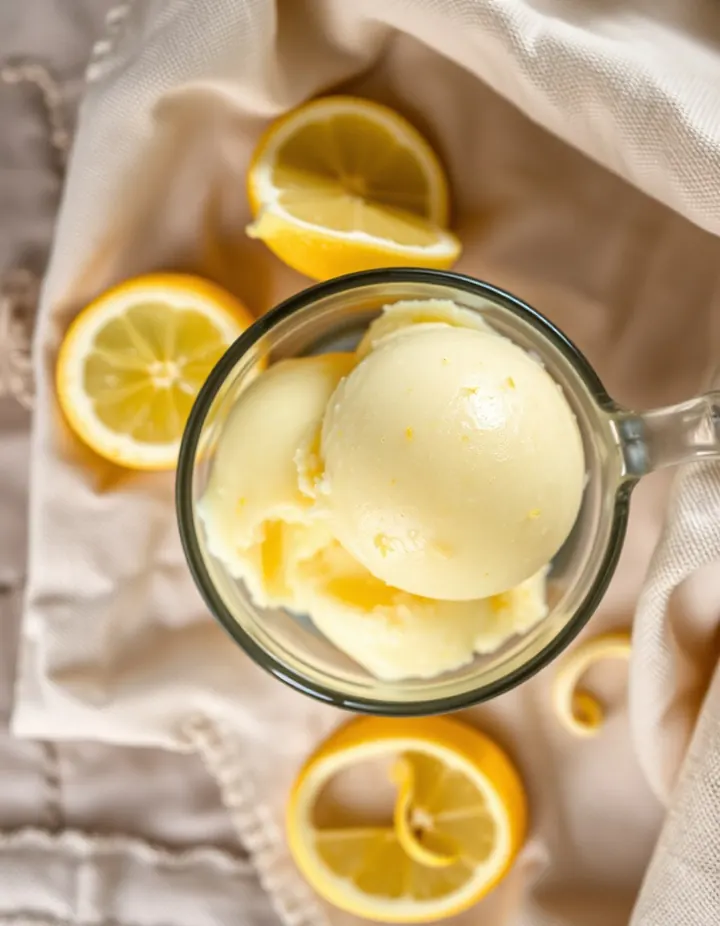 Lemon Sherbet103 recipes
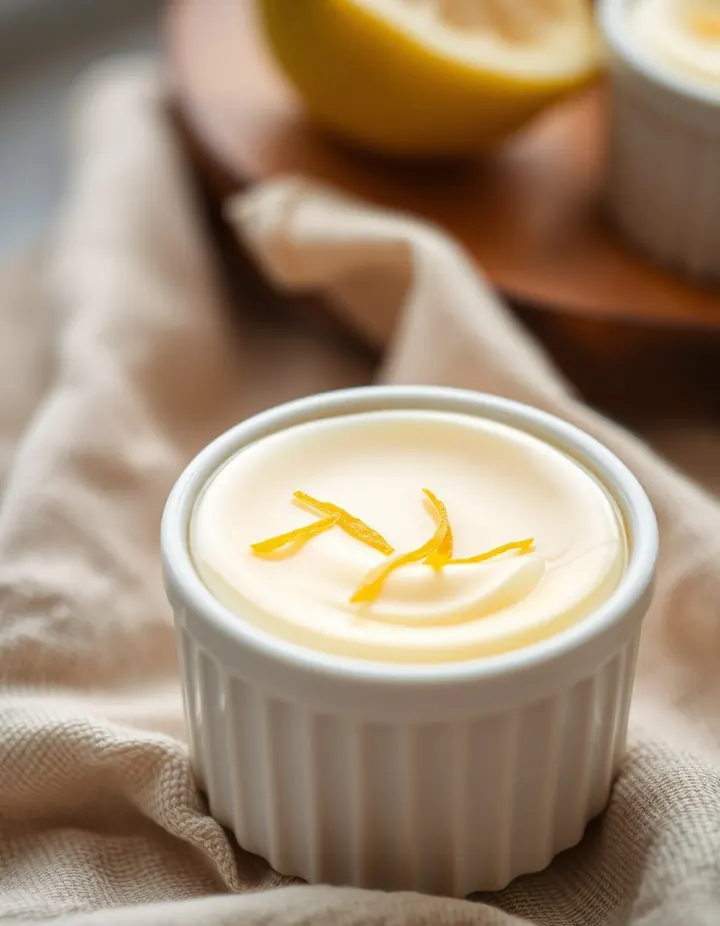 Lemon Custard64 recipes
The free Flavor Lab newsletter: one surprising pairing a week and the molecular reason it works, in 60 seconds. No spam, unsubscribe anytime.
Prefer an account? Create a free account to save pairings and unlock the full chemistry.