Why it works: Lemon and pepper match in chemistry and in kitchens. They rank in the top 3% of all ingredient pairs, and cooks put them together in 27,047 recipes. Both carry trans-2-nonenal, which smells cardboard, fatty. The science ↓
Haddock with Oysters
Ingredients
Directions
The book gives no oven temperature. The 400°F (200°C) in the steps was added when the recipe was transcribed, as a starting point.
Prepare and bake
Preheat the oven to 400°F (200°C).
Butter a baking tin and lay the haddock in it.
Pour the oyster liquor and lemon juice over the fish, then sprinkle with coralline pepper.
Cover with buttered paper and place the tin in another filled with boiling water.
Bake for 20 minutes.
Make the sauce and serve
Serve the fish on a hot dish with the sauce made by mixing creme de riz with white wine, oyster liquor, and mustard.
Bring the sauce to a boil, then stir in cream and oysters.
Transcribed from a scanned cookbook and modernised for today's kitchens. Where the book gave no heat or time, or said "a moderate oven", the temperatures and times here may be modern equivalents rather than the book's own figures.
Explore the science
The flavor team
The pairs that carry this dish. Each one is judged two ways: how much their aromas overlap, and how often cooks already put them together.
-
Lemon + peppertop 3% of all pairsSmell alikestrongCooked together27,047 recipes
Shared aroma: trans-2-nonenal (cardboard, fatty).
-
Haddock + creamtop 6% of all pairsSmell alikemoderateCooked together181 recipes
Shared aroma: ethanol (alcoholic, ethereal).
-
Butter + creamtop 8% of all pairsSmell alikemoderateCooked together41,516 recipes
Shared aroma: delta-dodecalactone (sweet, creamy).
-
Butter + white winetop 9% of all pairsSmell alikemoderateCooked together5,083 recipes
Shared aroma: ethyl octanoate (fruity, wine).
-
Pepper + mustardtop 9% of all pairsSmell alikemoderateCooked together15,430 recipes
Shared aroma: 2-isopropyl-3-methoxypyrazine (earthy, pea).
Ranks compare each pair with 20,000 random ingredient pairs on CompKitchen. How we score pairs
What each ingredient does
- Haddock
- Forms the main body of the dish, cooking gently to flaky, tender pieces.
- Oysters
- Add a briny, savoury flavour and a soft, delicate texture to the sauce.
- Creme de riz
- Its starch thickens the sauce as it heats, giving it body.
- Cream
- Adds richness and a smooth, silky mouthfeel to the sauce.
- White wine
- Adds acidity and aroma that brighten the rich sauce.
- Butter
- Adds fat and flavour, and keeps the fish from sticking to the tin.
The step that matters
Adding the oysters to the boiling sauce. Oysters toughen and shrink quickly when overheated. Adding them at the end, just until they warm through, keeps them tender and plump.
Swap the mustard
How well each one fits the dish's main ingredients (haddock, oyster, lemon, pepper, butter, white wine, cream):
- Potatofits better
- Shallotfits better
- Spinachfits better
- Mustardthe original
Fit is the average pairing score against haddock, oyster, lemon, pepper, butter, white wine, cream. Candidates are from the same food group and used in at least 100 recipes.
“What each ingredient does” and “The step that matters” were written by Claude from this recipe’s own method and reviewed in samples by CompKitchen.
You might also like
 Lemon Sauce236 recipes
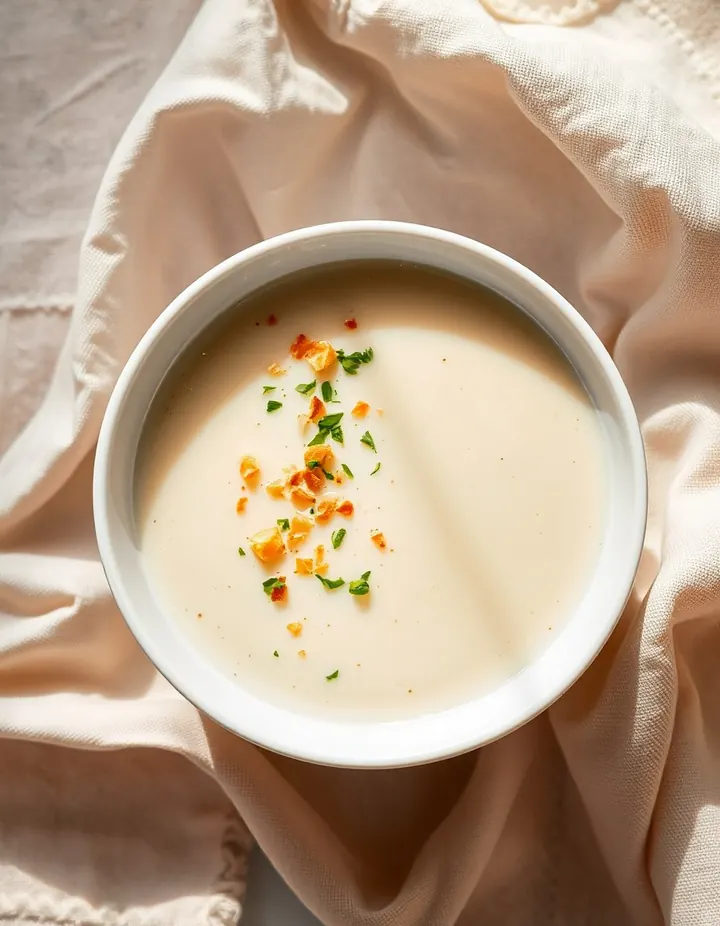 Mock Oyster Soup21 recipes
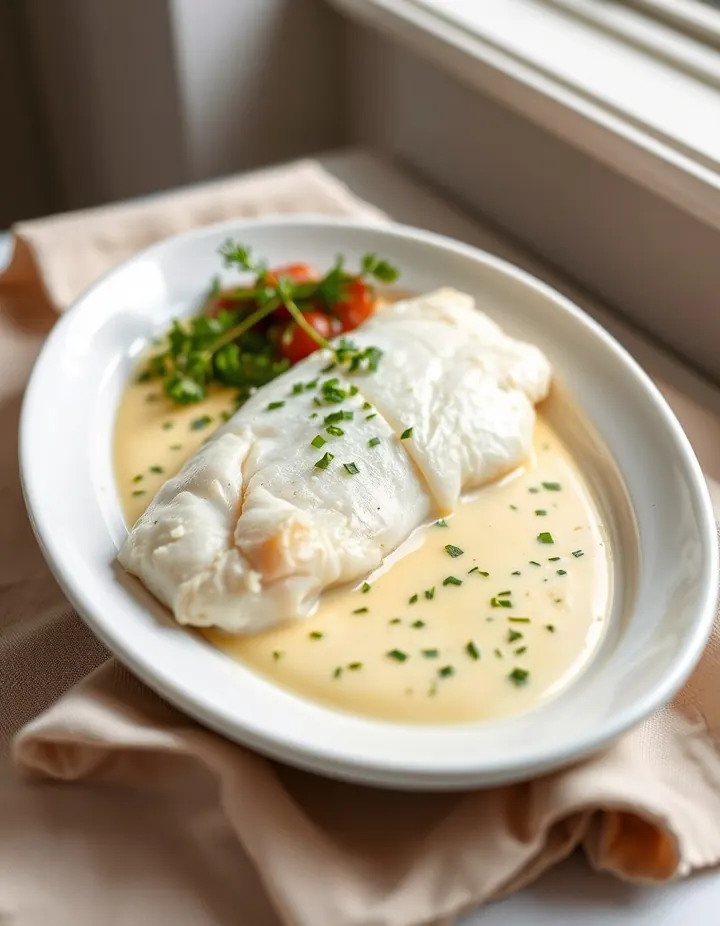 Boiled Haddock10 recipes
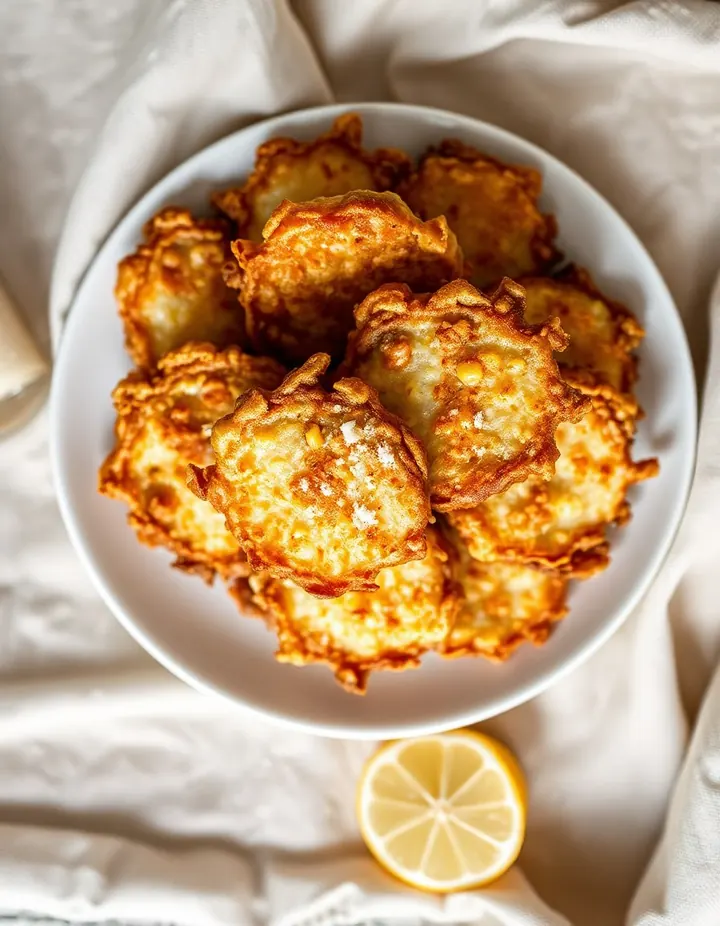 Corn Fritters6 recipes
The free Flavor Lab newsletter: one surprising pairing a week and the molecular reason it works, in 60 seconds. No spam, unsubscribe anytime.
Prefer an account? Create a free account to save pairings and unlock the full chemistry.