Why it works: Sauce and lobster are a kitchen classic. They rank in the top 6% of all ingredient pairs, and cooks put them together in 1,095 recipes. Both carry ethanol, which smells alcoholic, ethereal. The science ↓
Macaroni a LA Dieppoise
Ingredients
Directions
The book gives no oven temperature. The 350°F (175°C) in the steps was added when the recipe was transcribed, as a starting point.
Cook the macaroni
Blanch and drain the macaroni.
Par-boil in salted water, drain again, and cut into 1-inch pieces.
Add the stock, butter, and salt; let simmer until tender.
Stir in half the cheese and season with pepper.
Prepare the filling
Mix the forcemeat with enough cooked lobster spawn to color it.
Remove the tails from the prawns.
Assemble and bake
Butter a gratin dish and add a little béchamel sauce.
Spread a thick layer of macaroni, then a layer of forcemeat, followed by another layer of macaroni.
Sprinkle a little grated Parmesan between the layers and use forcemeat for the next layer.
Coat well with béchamel sauce and cover with Parmesan cheese.
Arrange the prawns around the edge in a circular form and sprinkle with fresh breadcrumbs and a few drops of oiled butter.
Bake in a 350°F (175°C) oven for about 30 minutes.
Garnish and serve
Garnish with the heads of the prawns and a few bits of curly parsley, and serve hot.
Transcribed from a scanned cookbook and modernised for today's kitchens. Where the book gave no heat or time, or said "a moderate oven", the temperatures and times here may be modern equivalents rather than the book's own figures.
Explore the science
The flavor team
The pairs that carry this dish. Each one is judged two ways: how much their aromas overlap, and how often cooks already put them together.
-
Sauce + lobstertop 6% of all pairsSmell alikemoderateCooked together1,095 recipes
Shared aroma: ethanol (alcoholic, ethereal).
-
Butter + parmesan cheesetop 9% of all pairsSmell alikemoderateCooked together4,163 recipes
Shared aroma: guaiacol (smoky, sweet).
-
Parmesan cheese + peppertop 14% of all pairsSmell alikemoderateCooked together5,322 recipes
Shared aroma: ethyl 2-methylbutyrate (fruity, apple).
-
Chicken + parmesan cheesetop 14% of all pairsSmell alikemoderateCooked together1,846 recipes
Shared aroma: ethyl isobutyrate (fruity, ethereal).
-
Sauce + buttertop 15% of all pairsSmell alikelowCooked together15,338 recipes
Shared aroma: ethanol (alcoholic, ethereal).
Sauce and butter barely smell alike, yet cooks put them together in 15,338 recipes: they work on texture and structure more than aroma.
Ranks compare each pair with 20,000 random ingredient pairs on CompKitchen. How we score pairs
What each ingredient does
- Naples macaroni
- Forms the sturdy layers that hold the filling and sauce together.
- Chicken forcemeat
- Provides a soft, savory meat layer that sets as it bakes.
- Béchamel sauce
- Adds moisture and creaminess that keeps the layers from drying out.
- Parmesan cheese
- Adds salty, savory flavor and helps the top brown in the oven.
- Butter
- Adds richness and helps the top brown in the oven.
- Fresh prawns
- Add delicate sweetness and seafood flavor to the dish.
The step that matters
Simmering the macaroni in stock until tender. As pasta absorbs liquid and softens, its starch swells. If it cooks too long it turns mushy and loses the firmness needed to hold the layers together in the gratin.
“What each ingredient does” and “The step that matters” were written by Claude from this recipe’s own method and reviewed in samples by CompKitchen.
You might also like
 Chicken Broth257 recipes
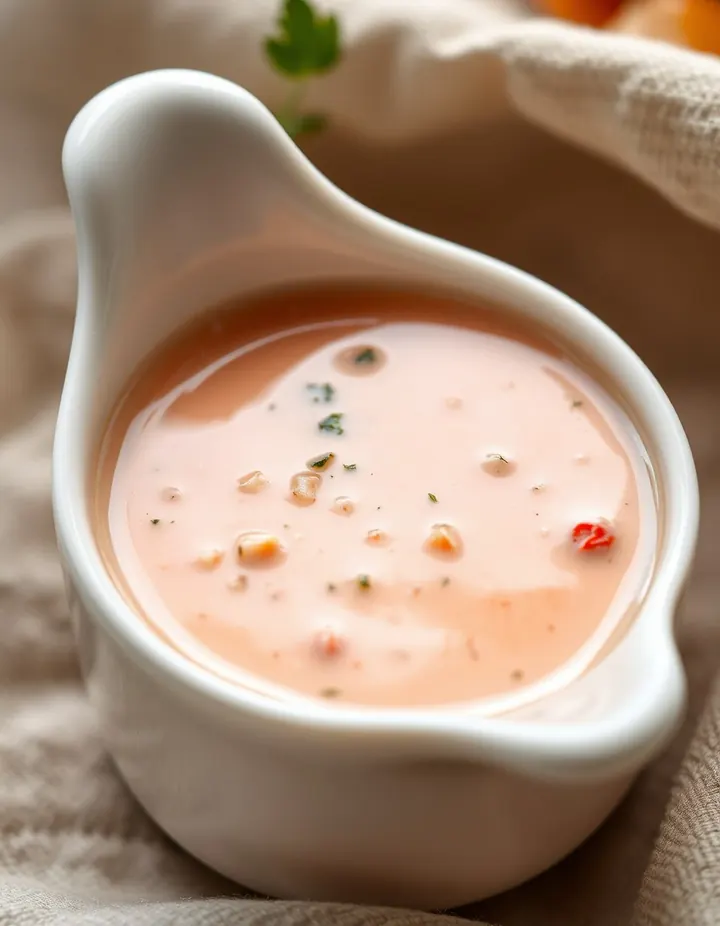 Lobster Sauce174 recipes
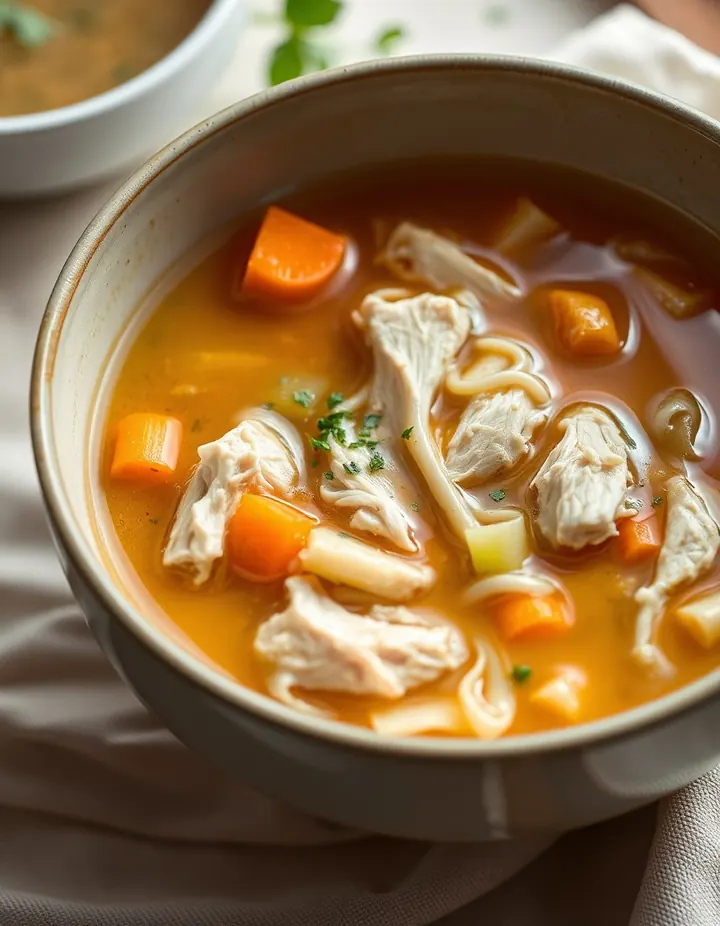 Chicken Soup156 recipes
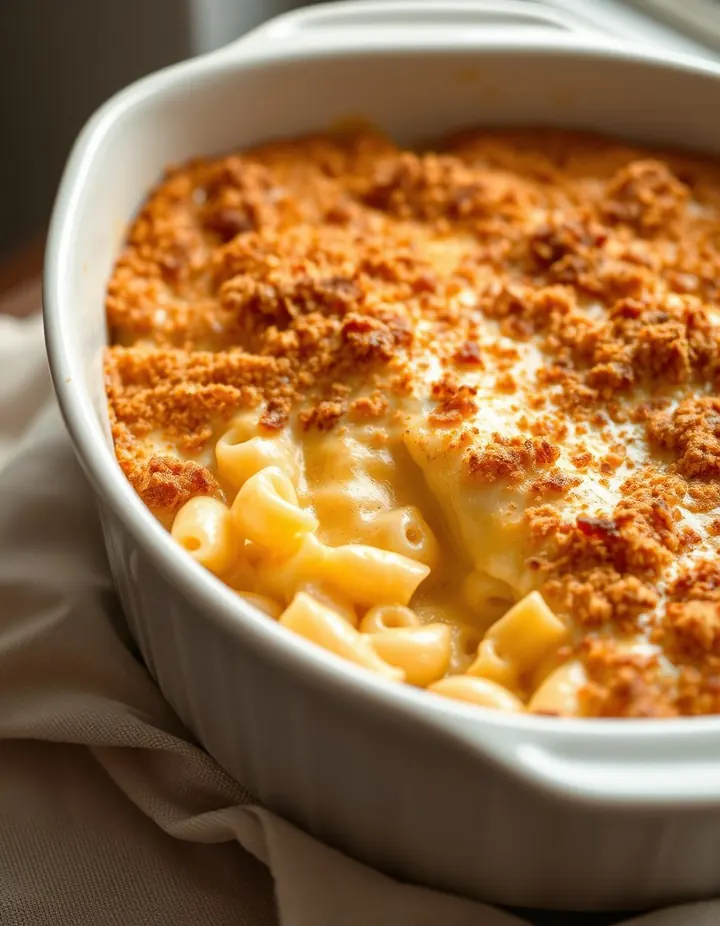 Macaroni and Cheese102 recipes
The free Flavor Lab newsletter: one surprising pairing a week and the molecular reason it works, in 60 seconds. No spam, unsubscribe anytime.
Prefer an account? Create a free account to save pairings and unlock the full chemistry.