Why it works: Onion and potato match in chemistry and in kitchens. They rank in the top 2% of all ingredient pairs, and 9,019 recipes mention both. Both carry 2-isopropyl-3-methoxypyrazine, which smells earthy, pea. The science ↓
Potato Mulligatawny Soup
Ingredients
Directions
Make the soup base
Chop the onions.
Fry the onions in butter until soft but not brown.
Add the curry powder and fry for a few more minutes.
Mix the potato flour with the veal stock and add to the curry mixture.
Stir over heat until boiling.
Skim and season well.
Add the mashed potatoes and simmer for 30 minutes, skimming occasionally.
Cook the rice
Rinse the rice in a sieve.
Shake the rice in a cloth to remove dust.
Fry the rice in butter for 5-6 minutes, stirring constantly.
Add boiling water to cover the rice by 3 inches.
Season the rice with salt.
Boil gently for 15 minutes without stirring.
Cover and steam for another 15 minutes.
Fluff the rice with a fork.
Finish and serve
Remove excess fat from the soup.
Pass the soup through a fine sieve.
Reheat the soup.
Stir in the cream and a small piece of butter.
Add the rice to the soup.
Serve with small fried potato croutons.
Transcribed from a scanned cookbook and modernised for today's kitchens. Where the book gave no heat or time, or said "a moderate oven", the temperatures and times here may be modern equivalents rather than the book's own figures.
Explore the science
The flavor team
The pairs that carry this dish. Each one is judged two ways: how much aroma chemistry they share, and how many recipes mention both.
-
Onion + potatotop 2% of all pairsAroma overlapstrongMentioned together9,019 recipes
Shared aroma: 2-isopropyl-3-methoxypyrazine (earthy, pea).
-
Butter + creamtop 3% of all pairsAroma overlapstrongMentioned together41,494 recipes
Shared aroma: delta-dodecalactone (sweet, creamy).
-
Potato + ricetop 3% of all pairsAroma overlapstrongMentioned together827 recipes
Shared aroma: 2-acetyl-1-pyrroline (popcorn, roasted).
-
Onion + ricetop 5% of all pairsAroma overlapstrongMentioned together9,990 recipes
Shared aroma: 2,4-decadienal (seaweed).
-
Butter + potatotop 6% of all pairsAroma overlapstrongMentioned together6,445 recipes
Shared aroma: (z)-4-heptenal (biscuit, cream).
Ranks compare each pair with 20,000 random ingredient pairs on CompKitchen. How we score pairs
What each ingredient does
- Onions
- Softened in butter, they build the sweet aromatic base of the soup.
- Curry powder
- Frying it in fat blooms its spices, giving the soup its characteristic aroma.
- Potato flour
- Thickens the stock so the soup has body and a smooth texture.
- Mashed potatoes
- Add starch and body, further thickening and enriching the soup.
- Rice
- Adds a soft grain texture to the finished soup.
- Cream
- Adds richness and a smooth, mellow mouthfeel at the end.
The step that matters
Boil the rice without stirring, then steam it covered. Stirring releases surface starch and makes rice gummy, while covered steaming finishes the grains gently so they stay separate and tender.
Flavor stand-ins for the onion
How well each one fits the dish's main ingredients (butter, potato, flour, veal, rice, cream, fried potato):
- Onionthe original
- Asparagusabout as good a flavor fit
- Leekabout as good a flavor fit
Fit is the average pairing score against butter, potato, flour, veal, rice, cream, fried potato. Candidates are from the same food group and used in at least 100 recipes. This compares flavor only: it does not check the job the ingredient does in the dish (bulk, moisture, acidity, structure).
“What each ingredient does” and “The step that matters” were written by Claude from this recipe’s own method and reviewed in samples by CompKitchen.
You might also like
 Potato Croquettes255 recipes
 Fried Fish120 recipes
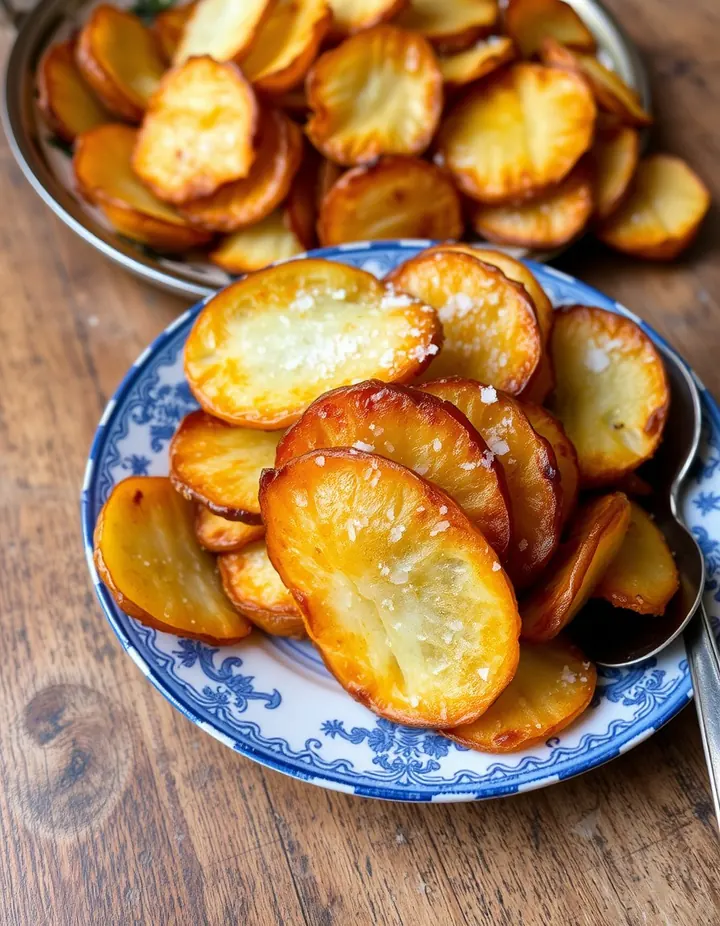 Fried Potatoes114 recipes
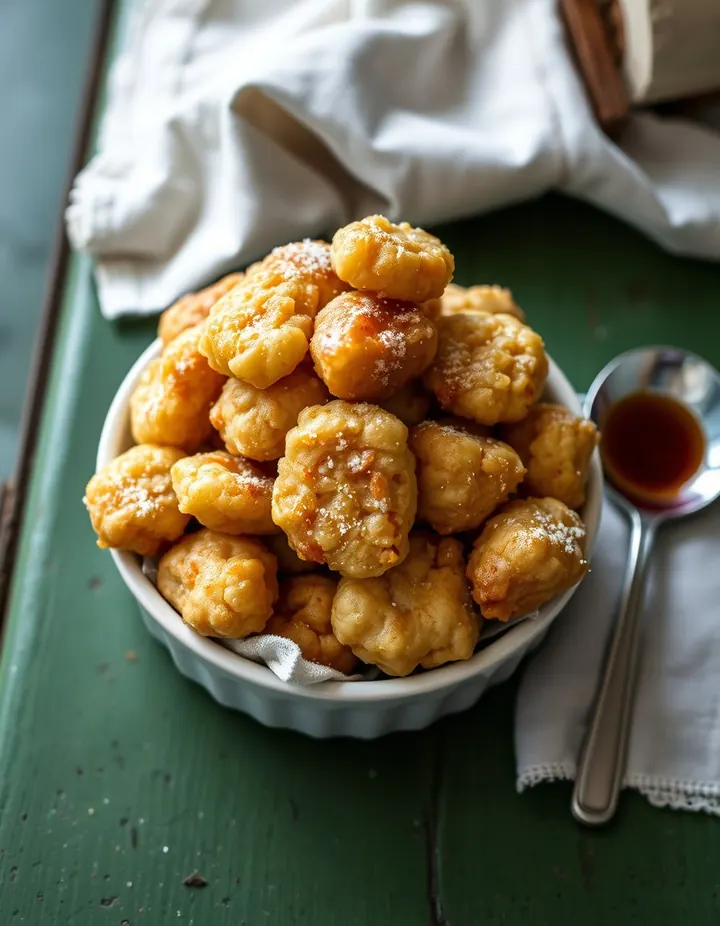 Rice Fritters84 recipes
The Sunday pairing: one pairing, the chemistry behind it, and how to cook it. No spam, unsubscribe anytime.
Prefer an account? Create a free account for sign-in; Pro adds the full results and chemistry.