Why it works: Nutmeg and cinnamon match in chemistry and in kitchens. They rank in the top 1% of all ingredient pairs, and cooks put them together in 11,917 recipes. Both carry estragole, which smells anise, licorice. The science ↓
Buns
Ingredients
Directions
The book says “a quick oven”. The 400°F (200°C) in the steps is the modern equivalent, not the book's own figure.
Make the dough
In a large bowl, rub together the flour and butter until fine.
Add the yeast, brandy and rose-water mixture, beaten eggs, currants, spices, and warm milk. Mix until combined and let rise for 5 hours, covered with a close-fitting tin cover.
Turn the dough onto a lightly floured surface and knead for 2 minutes, adding flour if it sticks.
Shape and rise
Divide the dough into small sections and roll each into a ball.
Place the balls in a greased pan, allowing the edges to touch.
Cover with another greased pan and let rise for 3 hours.
Bake and finish
Bake in a preheated oven at 400°F (200°C) for 15-20 minutes.
Sift powdered sugar over the buns as soon as they come out of the oven.
Transcribed from a scanned cookbook and modernised for today's kitchens. Where the book gave no heat or time, or said "a moderate oven", the temperatures and times here may be modern equivalents rather than the book's own figures.
Explore the science
The flavor team
The pairs that carry this dish. Each one is judged two ways: how much their aromas overlap, and how often cooks already put them together.
-
Nutmeg + cinnamontop 1% of all pairsSmell alikestrongCooked together11,917 recipes
Shared aroma: estragole (anise, licorice).
-
Brandy + curranttop 7% of all pairsSmell alikelowCooked together3,057 recipes
Shared aroma: ethyl cinnamate (sweet, balsamic).
-
Flour + nutmegtop 8% of all pairsSmell alikemoderateCooked together18,623 recipes
Shared aroma: isobutyraldehyde (malty, green).
-
Flour + cinnamontop 9% of all pairsSmell alikemoderateCooked together17,341 recipes
Shared aroma: isobutyraldehyde (malty, green).
-
Rose + curranttop 11% of all pairsSmell alikelowCooked together494 recipes
Shared aroma: alpha-pinene (pine, turpentine).
Ranks compare each pair with 20,000 random ingredient pairs on CompKitchen. How we score pairs
What each ingredient does
- All-purpose flour
- Forms the structure of the dough that holds the buns together.
- Butter
- Adds fat that tenderises the crumb and enriches the flavour.
- Yeast
- Produces gas during the long rise, making the buns light and airy.
- Eggs
- Add richness, moisture and structure to the dough.
- Milk
- Hydrates the flour and helps the dough become soft and elastic.
The step that matters
Long rise before shaping. The five-hour rise lets yeast produce gas and develop flavour. Under-proofing leaves the buns dense, while over-proofing can cause them to collapse in the oven.
Swap the currant
How well each one fits the dish's main ingredients (flour, butter, brandy, rose, egg, nutmeg, cinnamon):
- Raisinfits better
- Vanillafits better
- Figfits better
- Currantthe original
Fit is the average pairing score against flour, butter, brandy, rose, egg, nutmeg, cinnamon. Candidates are from the same food group and used in at least 100 recipes.
“What each ingredient does” and “The step that matters” were written by Claude from this recipe’s own method and reviewed in samples by CompKitchen.
You might also like
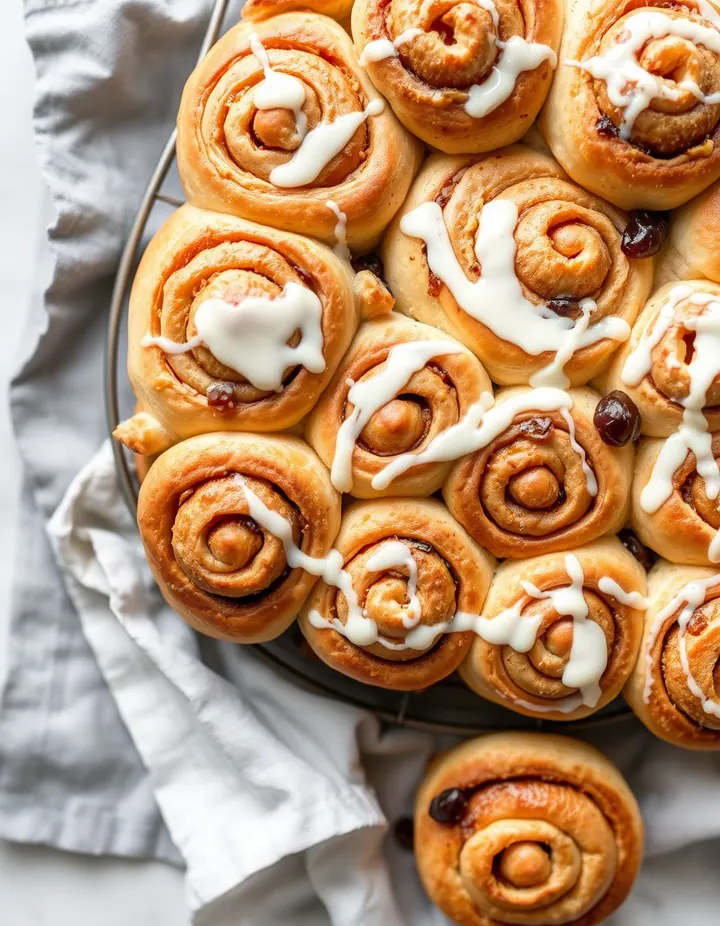 Cinnamon Rolls71 recipes
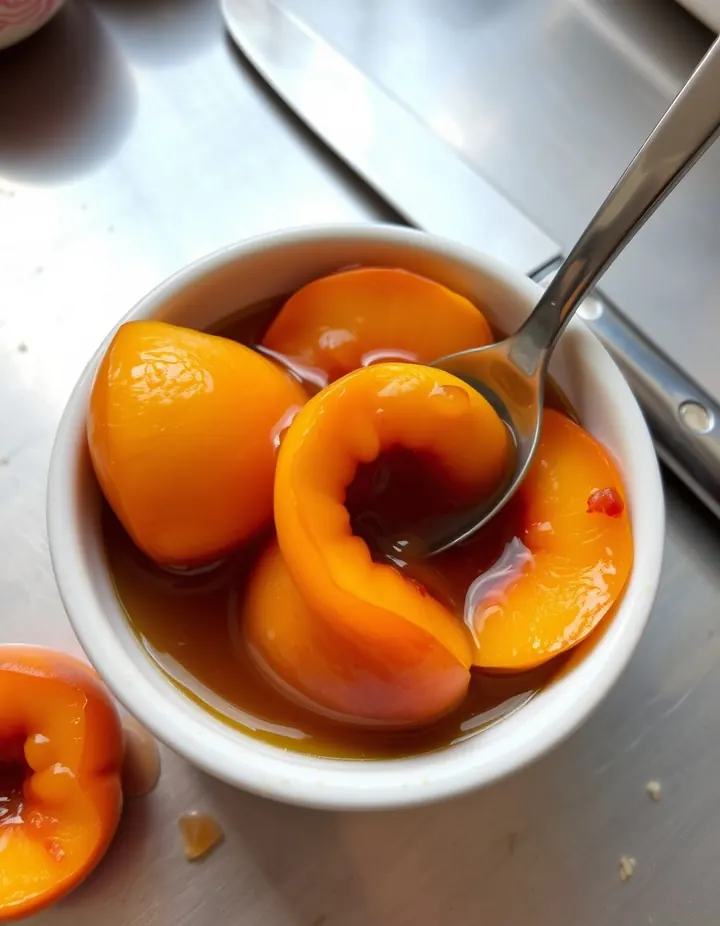 Brandy Peaches68 recipes
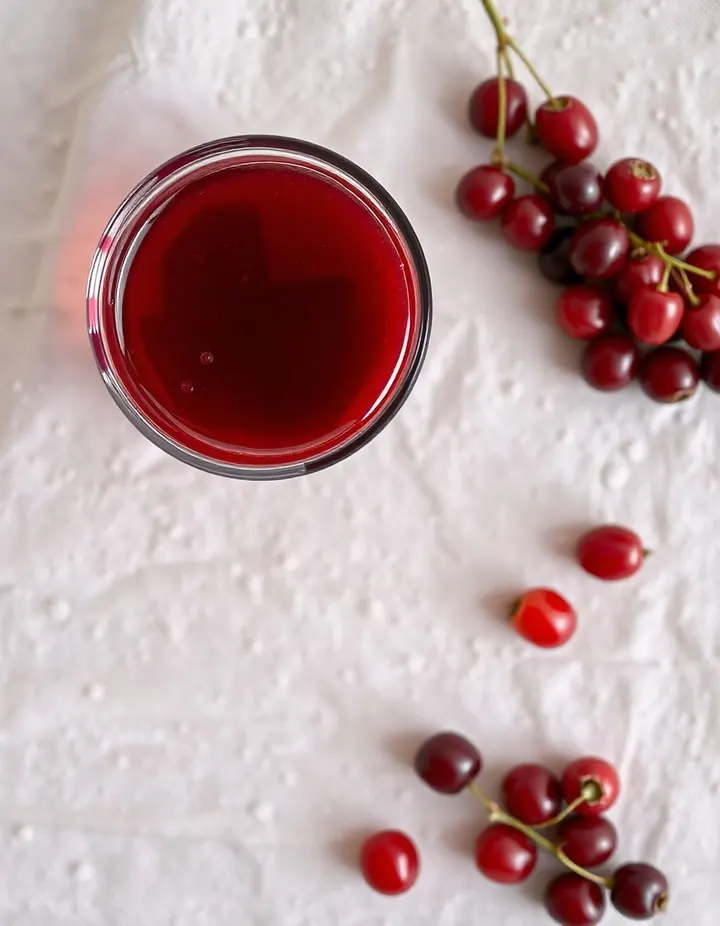 Red Currant Jelly65 recipes
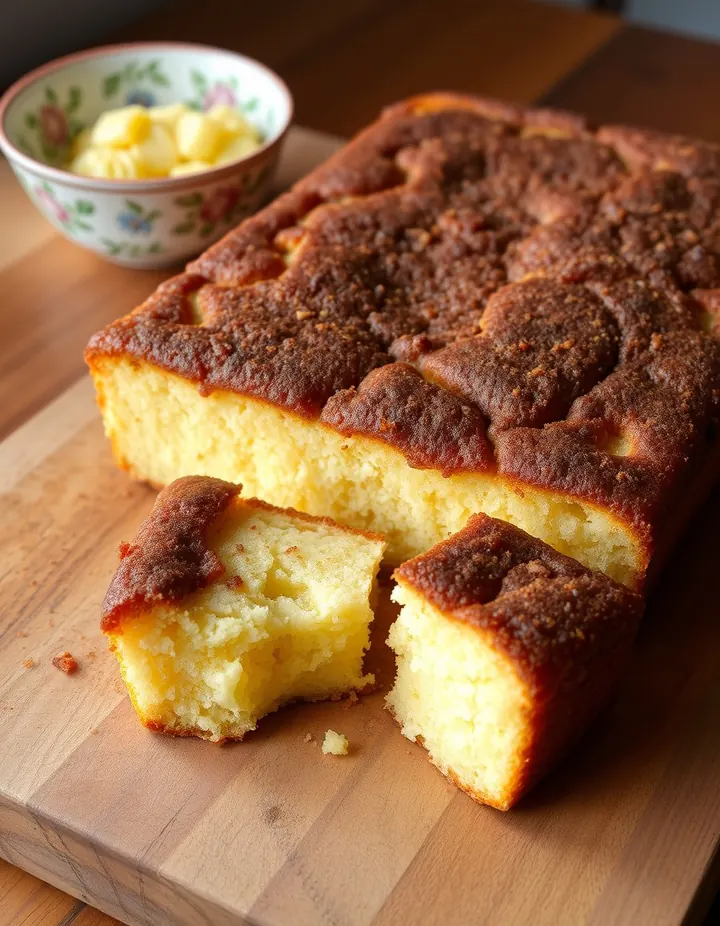 Cinnamon Cake42 recipes
The free Flavor Lab newsletter: one surprising pairing a week and the molecular reason it works, in 60 seconds. No spam, unsubscribe anytime.
Prefer an account? Create a free account to save pairings and unlock the full chemistry.