Why it works: Sugar and lemon are a kitchen classic. They rank in the top 18% of all ingredient pairs, and cooks put them together in 53,532 recipes. Both carry 2-nonenal, which smells fatty, green. The science ↓
Preserved Watermelon Rind
Ingredients
Directions
Prepare the rind
Scrape the green side of the rind and cut it into 2‑inch pieces.
Soak the rind in weak brine overnight.
The next day, rinse in clear water and heat.
Firm and tenderize
Soak in weak alum water and scald.
Rinse again in clear water and boil until tender.
Preserve in syrup
For every pound of rind, use ½ pound of sugar and let it stand overnight.
The next day, boil in syrup with sliced lemon, using 2 lemons for every gallon of rind.
Transcribed from a scanned cookbook and modernised for today's kitchens. Where the book gave no heat or time, or said "a moderate oven", the temperatures and times here may be modern equivalents rather than the book's own figures.
Explore the science
The flavor team
The pairs that carry this dish. Each one is judged two ways: how much their aromas overlap, and how often cooks already put them together.
-
Sugar + lemontop 18% of all pairsSmell alikelowCooked together53,532 recipes
Shared aroma: 2-nonenal (fatty, green).
Sugar and lemon barely smell alike, yet cooks put them together in 53,532 recipes: they work on texture and structure more than aroma.
Ranks compare each pair with 20,000 random ingredient pairs on CompKitchen. How we score pairs
What each ingredient does
- Watermelon rind
- Forms the body of the preserve, becoming translucent and tender as it cooks in syrup.
- Sugar
- Draws moisture out of the rind and preserves it, giving the finished pieces sweetness.
- Lemons
- Add acidity and aroma that brighten the sweet syrup.
- Coarse sea salt
- Brine softens and seasons the rind during the initial overnight soak.
The step that matters
Boil until tender before adding syrup. The rind must be fully softened before the sugar is added, because sugar hardens the cell walls and slows softening. Rinsing well after the alum water also removes residue that would affect flavour and texture.
“What each ingredient does” and “The step that matters” were written by Claude from this recipe’s own method and reviewed in samples by CompKitchen.
You might also like
 Lemon Cake228 recipes
 Lemon Ice147 recipes
 Lemon Sherbet103 recipes
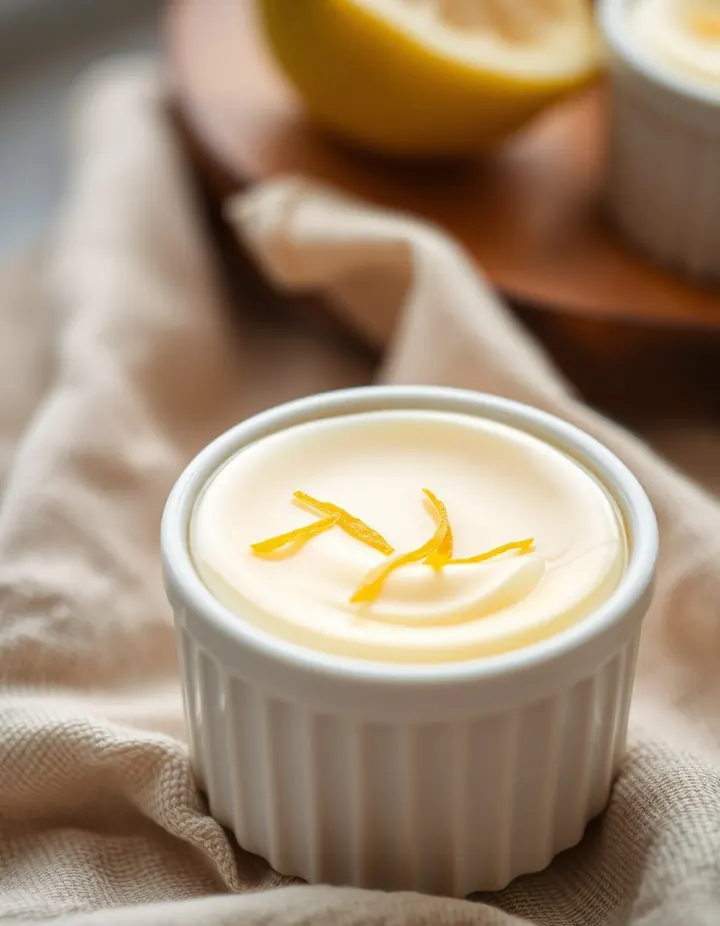 Lemon Custard64 recipes
The free Flavor Lab newsletter: one surprising pairing a week and the molecular reason it works, in 60 seconds. No spam, unsubscribe anytime.
Prefer an account? Create a free account to save pairings and unlock the full chemistry.