Why it works: Ginger and cinnamon match in chemistry and in kitchens. They rank in the top 1% of all ingredient pairs, and cooks put them together in 6,380 recipes. Both carry estragole, which smells anise, licorice. The science ↓
Raisin Mangoes
Ingredients
Directions
Prepare the melons
Select green or half-grown cantaloupes and remove a 1.5-inch wide piece from the middle, tapering to a point at each end.
Remove the seeds with a teaspoon and pare the rind as desired.
Make a brine of salt and cold water strong enough to float an egg, pour it over the melons, and let them soak for at least two weeks.
After brining, soak the melons in fresh water until the salt is extracted, then drain them thoroughly on a thick cloth.
Scald the melons in strong alum water until they become brittle, then place them in cold water until the alum is fully extracted.
Boil the melons in strong ginger tea until well flavored.
Make the syrup and filling
Make a syrup with five pounds of sugar and five pounds of melons, adding a teacup of mixed spices with cinnamon predominating.
Add one quart of vinegar and three sliced lemons to the syrup and boil until thick.
For the filling, chop three pounds of raisins, flavor them with cloves, and mix in one can of grated or sliced pineapple and preserved orange peelings if desired.
Fill and pack
When the melons are well filled, sew or tie them closed.
Place the melons in a jar and cover them with the cooled syrup.
Transcribed from a scanned cookbook and modernised for today's kitchens. Where the book gave no heat or time, or said "a moderate oven", the temperatures and times here may be modern equivalents rather than the book's own figures.
Explore the science
The flavor team
The pairs that carry this dish. Each one is judged two ways: how much their aromas overlap, and how often cooks already put them together.
-
Ginger + cinnamontop 1% of all pairsSmell alikestrongCooked together6,380 recipes
Shared aroma: estragole (anise, licorice).
-
Cinnamon + raisintop 1% of all pairsSmell alikemoderateCooked together5,390 recipes
Shared aroma: 1-octen-3-ol (mushroom, earthy).
-
Ginger + lemontop 5% of all pairsSmell alikestrongCooked together5,154 recipes
Shared aroma: beta-phellandrene (minty, terpene).
-
Ginger + teatop 7% of all pairsSmell alikemoderateCooked together216 recipes
Shared aroma: (e)-2-octenal (fatty, green).
-
Ginger + melontop 7% of all pairsSmell alikemoderateCooked together342 recipes
Shared aroma: methyl 2-methylbutyrate (fruity, apple).
Ranks compare each pair with 20,000 random ingredient pairs on CompKitchen. How we score pairs
What each ingredient does
- Cantaloupes
- Provide the firm melon flesh that is shaped, brined, and candied into the preserve.
- Sugar
- Sweetens the syrup and, concentrating as it boils, helps preserve the melon.
- Raisins
- Add chewy texture and concentrated sweetness to the filling.
- Vinegar
- Adds sharp acidity that balances the sweetness of the syrup.
- Lemons
- Add acidity and bright flavor to the boiling syrup.
- Alum water
- Firms the melon flesh so it becomes brittle and holds its shape.
The step that matters
Scalding in alum water. Alum firms the melon tissue so it stays crisp rather than turning soft. The alum must then be fully rinsed out in cold water, since leftover alum would leave a harsh, bitter taste.
Swap the melon
How well each one fits the dish's main ingredients (ginger, tea, sugar, cinnamon, vinegar, lemon, raisin):
- Orangefits better
- Limefits better
- Figfits better
- Melonthe original
Fit is the average pairing score against ginger, tea, sugar, cinnamon, vinegar, lemon, raisin. Candidates are from the same food group and used in at least 100 recipes.
“What each ingredient does” and “The step that matters” were written by Claude from this recipe’s own method and reviewed in samples by CompKitchen.
You might also like
 Orange Bundt Cake349 recipes
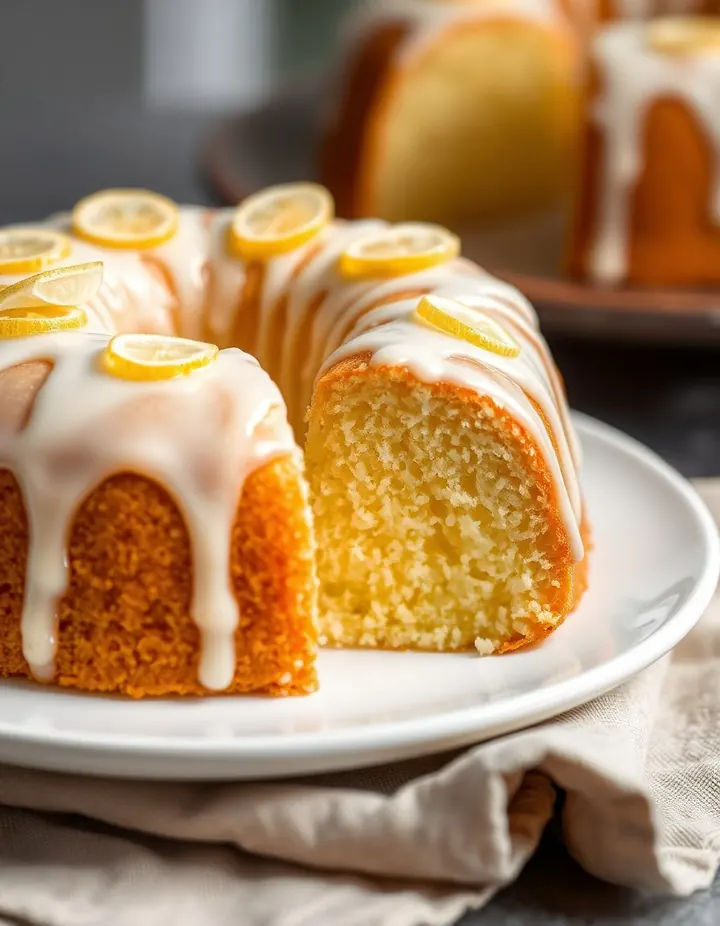 Lemon Cake228 recipes
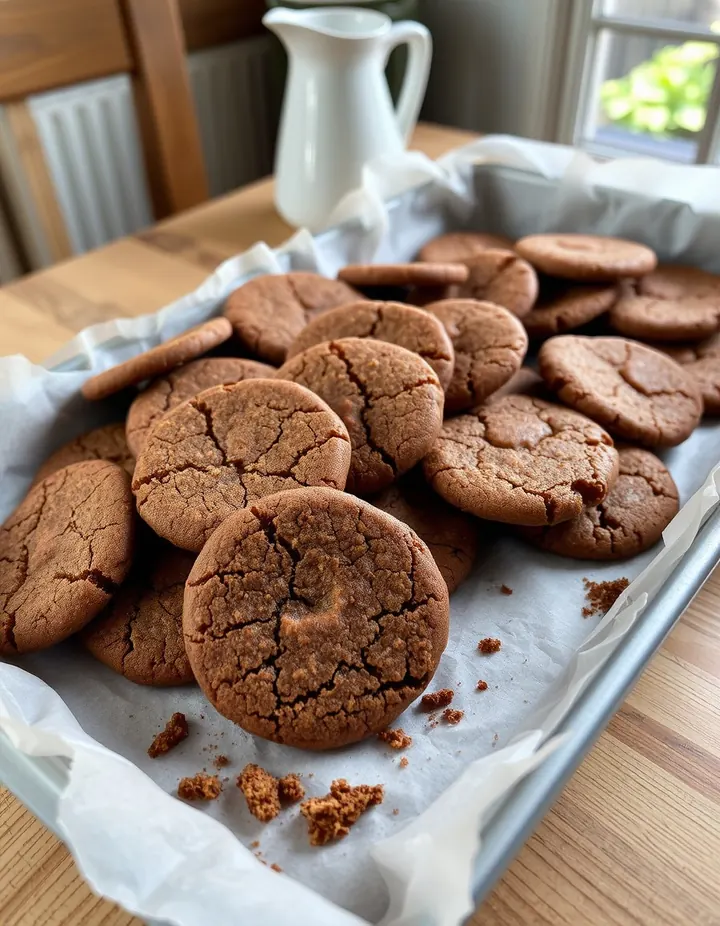 Ginger Cookies213 recipes
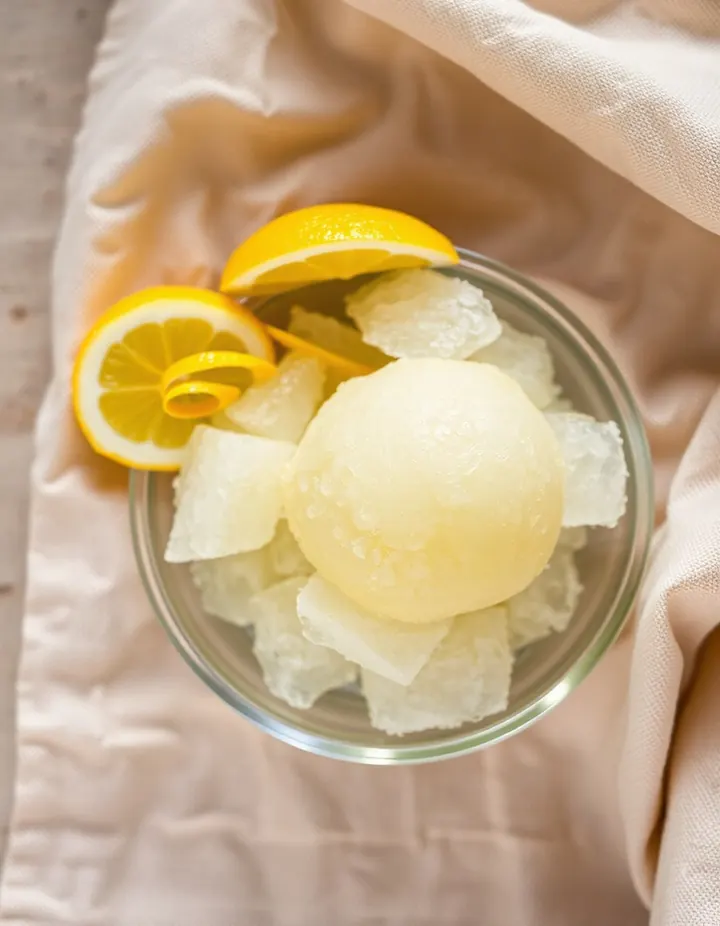 Lemon Ice147 recipes
The free Flavor Lab newsletter: one surprising pairing a week and the molecular reason it works, in 60 seconds. No spam, unsubscribe anytime.
Prefer an account? Create a free account to save pairings and unlock the full chemistry.