Why it works: Butter and cream match in chemistry and in kitchens. They rank in the top 3% of all ingredient pairs, and 41,494 recipes mention both. Both carry delta-dodecalactone, which smells sweet, creamy. The science ↓
Philadelphia Panned Oysters
Ingredients
Directions
Cook the oysters
Dry the oysters and place them in a hot pan with melted butter.
Sprinkle with coarse sea salt and dredge lightly with flour while cooking.
Just before removing from heat, add cream to create a sauce.
Serve
Serve hot on a dish with slices of toast around.
Transcribed from a scanned cookbook and modernised for today's kitchens. Where the book gave no heat or time, or said "a moderate oven", the temperatures and times here may be modern equivalents rather than the book's own figures.
Explore the science
The flavor team
The pairs that carry this dish. Each one is judged two ways: how much aroma chemistry they share, and how many recipes mention both.
-
Butter + creamtop 3% of all pairsAroma overlapstrongMentioned together41,494 recipes
Shared aroma: delta-dodecalactone (sweet, creamy).
-
Oyster + buttertop 5% of all pairsAroma overlapstrongMentioned together8,175 recipes
Shared aroma: 2,6-nonadienal (cucumber, green).
-
Butter + flourtop 6% of all pairsAroma overlaplowMentioned together122,858 recipes
Shared aroma: isobutyraldehyde (malty, green).
-
Oyster + creamtop 9% of all pairsAroma overlapmoderateMentioned together2,883 recipes
Shared aroma: 1-octen-3-one (mushroom, metallic).
-
Flour + creamtop 15% of all pairsAroma overlaplowMentioned together29,941 recipes
Shared aroma: acetaldehyde (pungent, ethereal).
Butter and flour share little aroma chemistry, yet 122,858 recipes mention both: they likely work on texture and structure more than aroma.
Ranks compare each pair with 20,000 random ingredient pairs on CompKitchen. How we score pairs
What each ingredient does
- Oysters
- Form the main body of the dish, cooking to a tender, briny centre.
- Butter
- Conducts heat in the pan and adds richness and browning to the oysters.
- Flour
- Lightly coats the oysters, helping them brown and giving the pan juices some body.
- Cream
- Added at the end to form a sauce that adds richness and smoothness.
The step that matters
Adding the cream just before removing from heat. Cream can separate or curdle if it boils for long at high heat. Adding it near the end lets it warm through and combine with the pan juices into a smooth sauce.
“What each ingredient does” and “The step that matters” were written by Claude from this recipe’s own method and reviewed in samples by CompKitchen.
You might also like
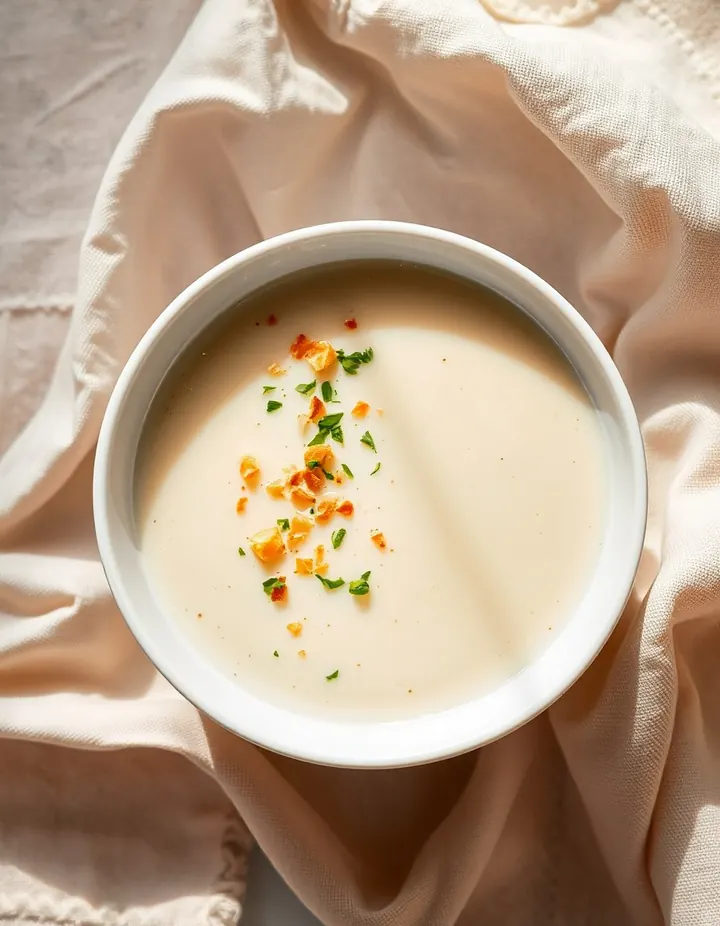 Mock Oyster Soup21 recipes
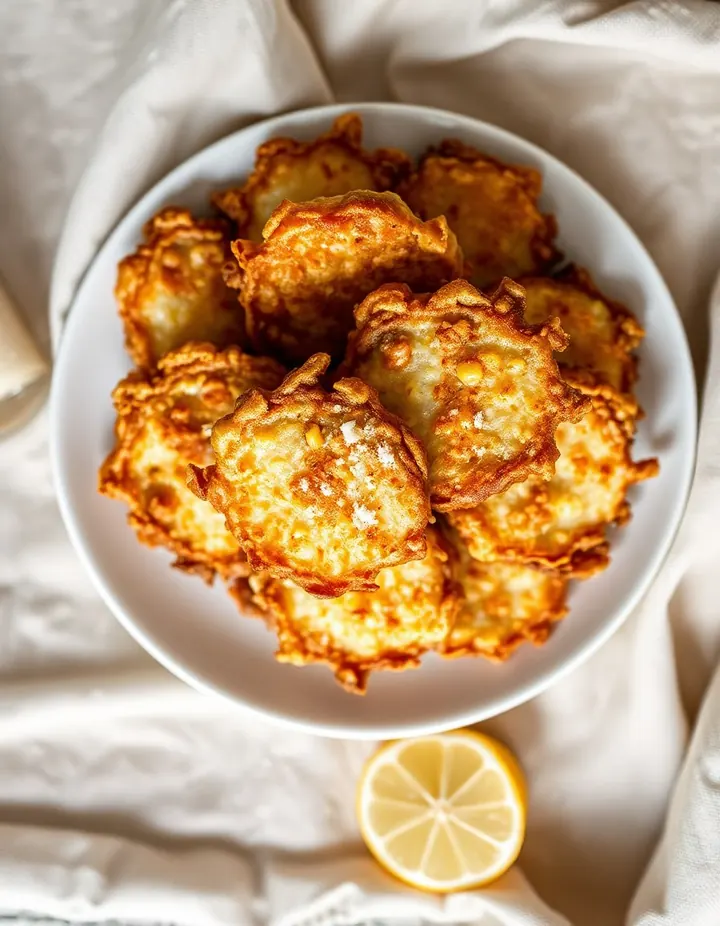 Corn Fritters6 recipes
 Tomato Soup526 recipes
 Brown Bread461 recipes
The Sunday pairing: one pairing, the chemistry behind it, and how to cook it. No spam, unsubscribe anytime.
Prefer an account? Create a free account for sign-in; Pro adds the full results and chemistry.