Why it works: Lemon and anise share more aroma than cooks usually use. They rank in the top 6% of all ingredient pairs, and cooks put them together in 91 recipes. Both carry alpha-pinene, which smells pine, turpentine. The science ↓
Pear Jelly
Ingredients
Directions
Make the jelly
Drain the juice from the can of pears into a quart cup.
Add the juice of one lemon and enough boiling water to make 3 cups total.
Heat the mixture on the stove until boiling.
Soak the gelatine in 1 cup of cold water for 10 minutes, then add it to the boiling mixture and stir until dissolved.
Add 1½ cups of sugar and stir until dissolved.
Flavor with a few drops of sweet anise.
Layer the mold
Pour ½ cup of the jelly into the bottom of a border pudding mold.
Cut the pears into small heart shapes or round balls and place them in the bottom of the mold.
Set the mold on ice until the jelly hardens.
Layer more pears and maraschino cherries on top.
Pour in the remaining jelly (kept warm) and set on ice to harden.
Finish and unmold
Make the pudding the day before serving.
Finish filling the mold with Spanish cream pudding (milk warm) and sprinkle with chopped nuts before it sets.
Invert the mold onto a large fancy platter and use a towel wrung out in hot water to unmold.
Transcribed from a scanned cookbook and modernised for today's kitchens. Where the book gave no heat or time, or said "a moderate oven", the temperatures and times here may be modern equivalents rather than the book's own figures.
Explore the science
The flavor team
The pairs that carry this dish. Each one is judged two ways: how much their aromas overlap, and how often cooks already put them together.
-
Lemon + anisetop 6% of all pairsSmell alikestrongCooked together91 recipes
Shared aroma: alpha-pinene (pine, turpentine).
-
Sugar + creamtop 9% of all pairsSmell alikemoderateCooked together43,450 recipes
Shared aroma: 2,3-butanedione (butter, sweet).
-
Pear + lemontop 13% of all pairsSmell alikemoderateCooked together942 recipes
Shared aroma: alpha-pinene (pine, turpentine).
-
Pear + anisetop 17% of all pairsSmell alikestrongCooked together6 recipes
Shared aroma: anethole (sweet, anise).
-
Pear + sugartop 17% of all pairsSmell alikelowCooked together2,079 recipes
Shared aroma: 1-penten-3-one (fish, pungent).
Ranks compare each pair with 20,000 random ingredient pairs on CompKitchen. How we score pairs
What each ingredient does
- Gelatine
- Sets the jelly so it holds its shape when unmolded.
- Sugar
- Adds sweetness and helps balance the lemon's acidity.
- Lemon juice
- Adds acidity that brightens the flavor of the jelly.
- Pears
- Provide the fruit flavor and visible pieces suspended in the jelly.
The step that matters
Soak the gelatine before dissolving it. Gelatine must hydrate in cold water first so it dissolves evenly into the hot mixture; adding it dry or undissolved leaves lumps and weakens the set.
Swap the nuts
How well each one fits the dish's main ingredients (pear, lemon, sugar, anise, cream):
- Almondfits better
- Pistachiofits better
- Hazelnutfits better
- Nutsthe original
Fit is the average pairing score against pear, lemon, sugar, anise, cream. Candidates are from the same food group and used in at least 100 recipes.
“What each ingredient does” and “The step that matters” were written by Claude from this recipe’s own method and reviewed in samples by CompKitchen.
You might also like
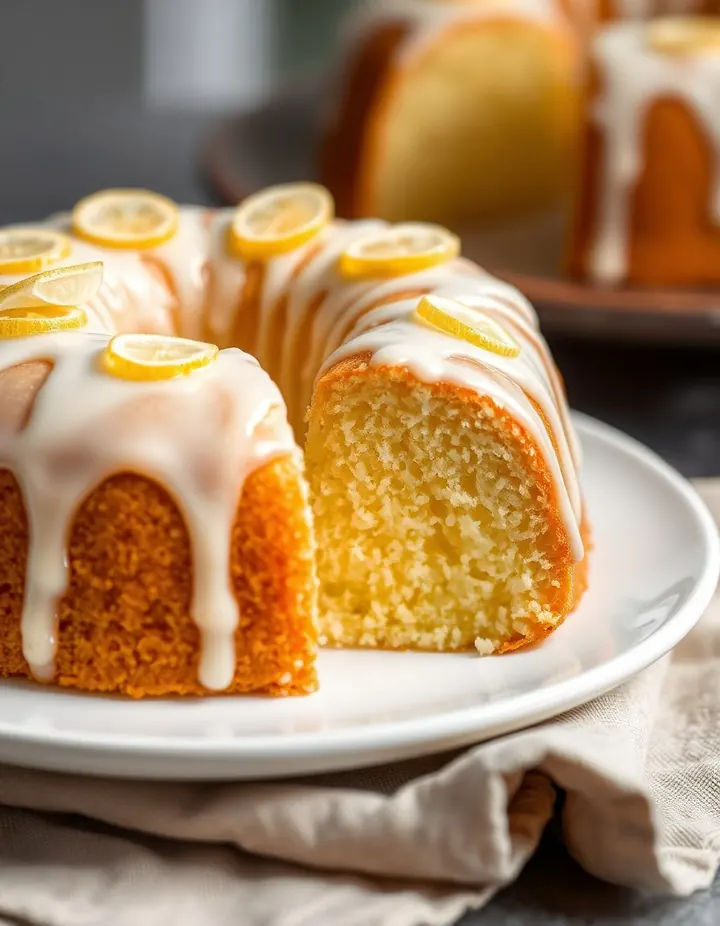 Lemon Cake228 recipes
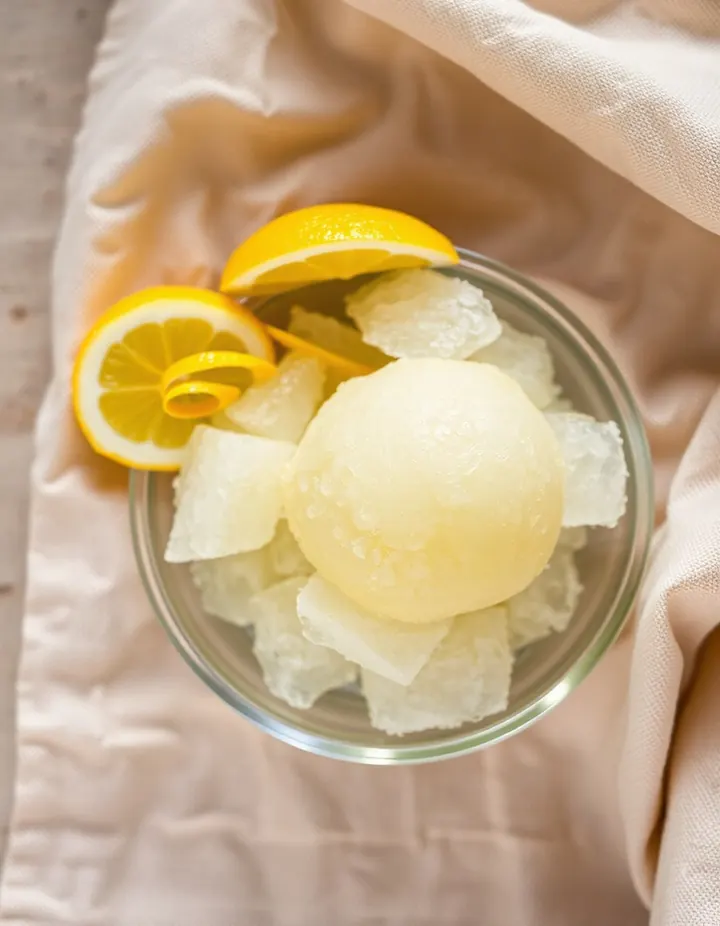 Lemon Ice147 recipes
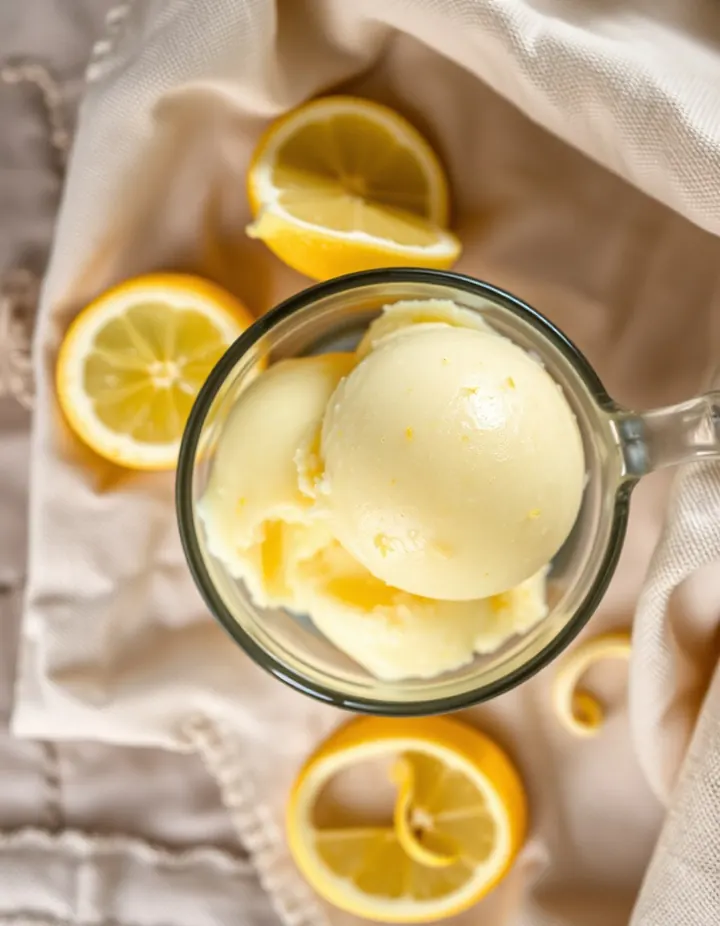 Lemon Sherbet103 recipes
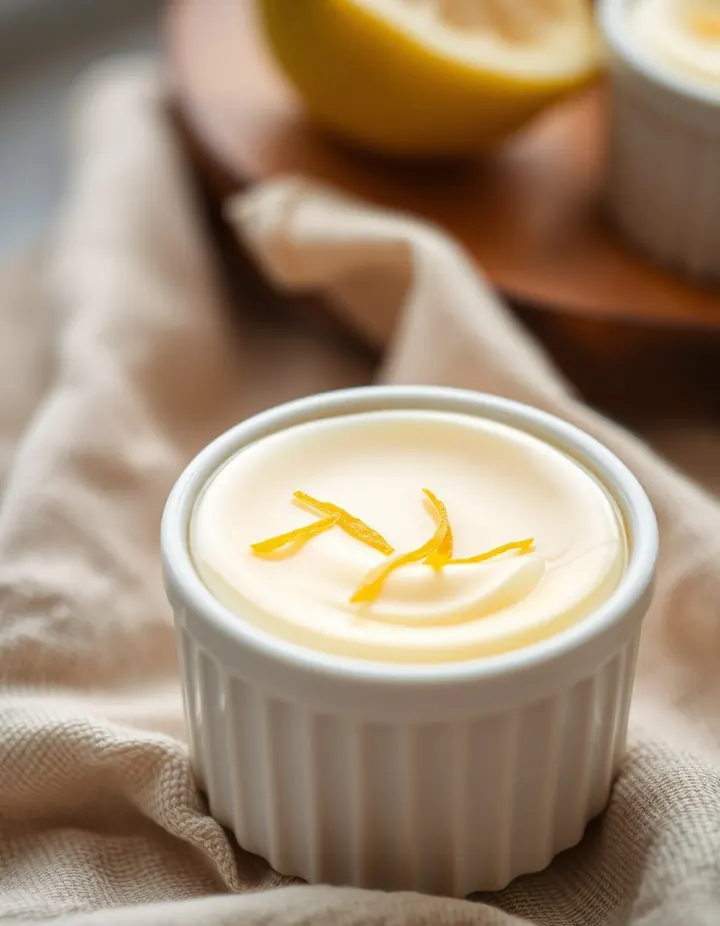 Lemon Custard64 recipes
The free Flavor Lab newsletter: one surprising pairing a week and the molecular reason it works, in 60 seconds. No spam, unsubscribe anytime.
Prefer an account? Create a free account to save pairings and unlock the full chemistry.