Why it works: Wheat and flour are a kitchen classic. They rank in the top 12% of all ingredient pairs, and cooks put them together in 4,373 recipes. Both carry isobutyraldehyde, which smells malty, green. The science ↓
Puff Paste
Ingredients
Directions
The book says “a hot oven”. The 400°F in the steps is the modern equivalent, not the book's own figure.
Prepare
Chill the flour and all utensils until ice cold.
Divide the butter into three parts.
Wash and pat each part into a thin oblong shape.
Wrap two butter pats in a napkin and place them between pans of cracked ice.
Work the remaining butter pat into the flour with your fingertips, keeping flour between the butter and your fingers.
Add ice water gradually to form a smooth paste, using as little as possible.
Toss the paste on a floured board and knead just enough to form a ball.
Laminate the dough
Pat and roll out the paste to ¼ inch thick, keeping it wider than long with square corners.
Lay one butter pat on the paste and lightly dredge with flour.
Fold the paste over to enclose the butter and roll it up like a jelly roll.
Pat and roll out to ¼ inch thick again, adding another butter pat and repeating the process.
Fold and roll out four or five times, ensuring to keep the paste cold between rolls.
Use gentle strokes from the center out while rolling.
If the paste becomes soft, chill it again between pans of cracked ice.
Bake
Ensure the paste is ice cold before placing it in a hot oven (400°F / 200°C).
Turn frequently for even rising, then decrease the oven temperature once well risen.
Transcribed from a scanned cookbook and modernised for today's kitchens. Where the book gave no heat or time, or said "a moderate oven", the temperatures and times here may be modern equivalents rather than the book's own figures.
Explore the science
The flavor team
The pairs that carry this dish. Each one is judged two ways: how much their aromas overlap, and how often cooks already put them together.
-
Wheat + flourtop 12% of all pairsSmell alikemoderateCooked together4,373 recipes
Shared aroma: isobutyraldehyde (malty, green).
-
Flour + buttertop 12% of all pairsSmell alikelowCooked together124,287 recipes
Shared aroma: isobutyraldehyde (malty, green).
-
Wheat + buttertop 14% of all pairsSmell alikemoderateCooked together2,002 recipes
Shared aroma: (z)-4-heptenal (biscuit, cream).
Flour and butter barely smell alike, yet cooks put them together in 124,287 recipes: they work on texture and structure more than aroma.
Ranks compare each pair with 20,000 random ingredient pairs on CompKitchen. How we score pairs
What each ingredient does
- Winter wheat pastry flour
- Forms the structure that holds the layers of dough and butter together.
- Butter
- Stays solid between dough layers, then melts and creates steam that lifts the layers apart.
- Ice water
- Hydrates the flour just enough to form a dough without developing excess gluten.
The step that matters
Keeping the paste ice cold while laminating. If the butter softens and blends into the dough, the separate layers are lost. Cold butter stays in distinct sheets, and in the oven its water turns to steam that pushes the layers apart, producing the flaky rise.
“What each ingredient does” and “The step that matters” were written by Claude from this recipe’s own method and reviewed in samples by CompKitchen.
More puff pastry recipes
You might also like
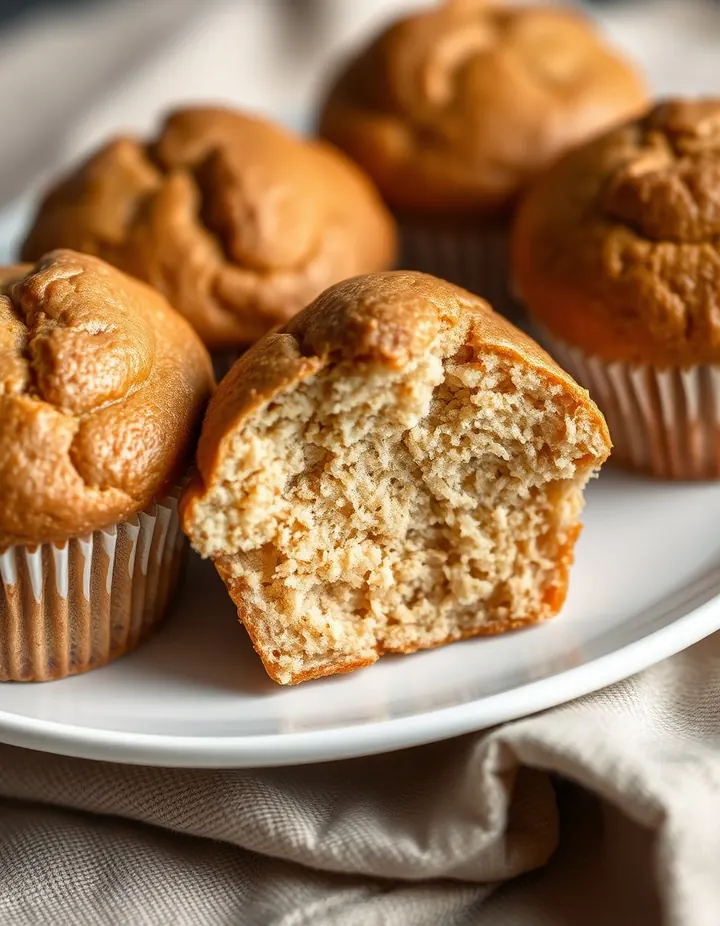 Wheat Muffins48 recipes
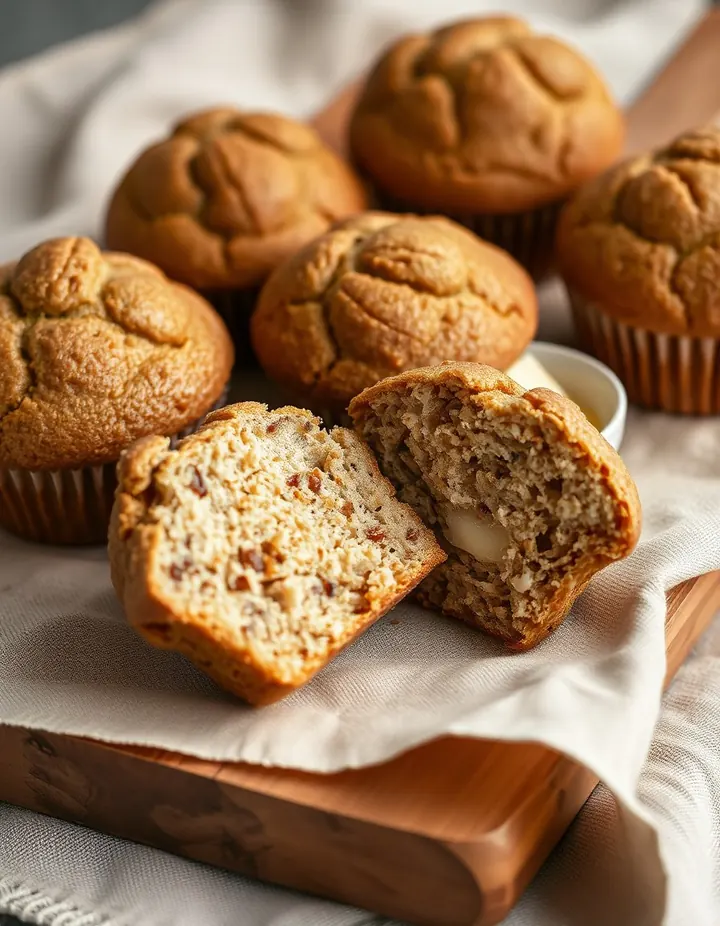 Whole Wheat Muffins12 recipes
 White Cake431 recipes
 Pound Cake373 recipes
The free Flavor Lab newsletter: one surprising pairing a week and the molecular reason it works, in 60 seconds. No spam, unsubscribe anytime.
Prefer an account? Create a free account to save pairings and unlock the full chemistry.