Why it works: Parsnip and turnip match in chemistry and in kitchens. They rank in the top 1% of all ingredient pairs, and cooks put them together in 590 recipes. Both carry coumarin, which smells sweet, hay. The science ↓
Boiled Pork and Pease Pudding
Ingredients
Directions
Prepare
Soak the split peas for about 12 hours.
Place the pork in a large pot.
Cover the pork with warm water, or cold water if very salty.
Bring the pot to a boil. Skim off any foam.
Boil for about 10 minutes.
Add the onion, carrot, turnip, and celery, all cut into thick slices, along with the peppercorns.
Simmer gently until the pork is cooked through.
Cook the vegetables
Boil the parsnips and cabbage separately.
Cut the parsnips into quarters and season the cabbage with pepper.
Serve the pork on a hot dish, garnished with the parsnips and cabbage.
Make the pease pudding
Drain the soaked peas. Tie the drained peas in a cloth.
Cook the peas in the boiling pot with the pork for about 1.5 hours.
Rub the cooked peas through a fine sieve.
Mix the sieved peas with butter and yolks. Season with salt and pepper.
Return the mixture to the cloth. Boil with the pork for an additional 40 minutes.
Alternatively, cook the drained peas in a saucepan with a dessert spoon of salt. Cover with cold water. Replace water as it boils away. Cook gently for about 2 hours until soft.
Rub through a sieve. Add butter and yolks. Season.
Press the puree into a well-buttered mold. Steam or bake for about 40 minutes.
Transcribed from a scanned cookbook and modernised for today's kitchens. Where the book gave no heat or time, or said "a moderate oven", the temperatures and times here may be modern equivalents rather than the book's own figures.
Explore the science
The flavor team
The pairs that carry this dish. Each one is judged two ways: how much their aromas overlap, and how often cooks already put them together.
-
Parsnip + turniptop 1% of all pairsSmell alikestrongCooked together590 recipes
Shared aroma: coumarin (sweet, hay).
-
Parsnip + carrottop 1% of all pairsSmell alikestrongCooked together1,097 recipes
Shared aroma: 2-isobutyl-3-methoxypyrazine (green bell pepper, earthy).
-
Carrot + celerytop 1% of all pairsSmell alikestrongCooked together10,173 recipes
Shared aroma: myristicin (spice, warm).
-
Carrot + turniptop 1% of all pairsSmell alikestrongCooked together8,002 recipes
Shared aroma: coumarin (sweet, hay).
-
Cabbage + turniptop 2% of all pairsSmell alikestrongCooked together897 recipes
Shared aroma: coumarin (sweet, hay).
Ranks compare each pair with 20,000 random ingredient pairs on CompKitchen. How we score pairs
What each ingredient does
- Split peas
- Form the bulk of the pudding, thickening into a smooth puree when cooked and sieved.
- Egg yolks
- Bind the sieved peas so the pudding sets firm when steamed or baked.
- Butter
- Adds richness and a smooth, silky texture to the puree.
- Salted pork
- Supplies savoury flavour to the cooking liquid that the peas absorb.
The step that matters
Rubbing the cooked peas through a fine sieve. Sieving breaks down the skins and softened grains into a smooth puree; leftover lumps or skins make the pudding grainy and stop it setting evenly.
Swap the peas
How well each one fits the dish's main ingredients (pork, cabbage, parsnip, onion, carrot, turnip, celery):
- Lentilsfits better
- Beansfits better
- Chestnutfits better
- Peasthe original
Fit is the average pairing score against pork, cabbage, parsnip, onion, carrot, turnip, celery. Candidates are from the same food group and used in at least 100 recipes.
“What each ingredient does” and “The step that matters” were written by Claude from this recipe’s own method and reviewed in samples by CompKitchen.
You might also like
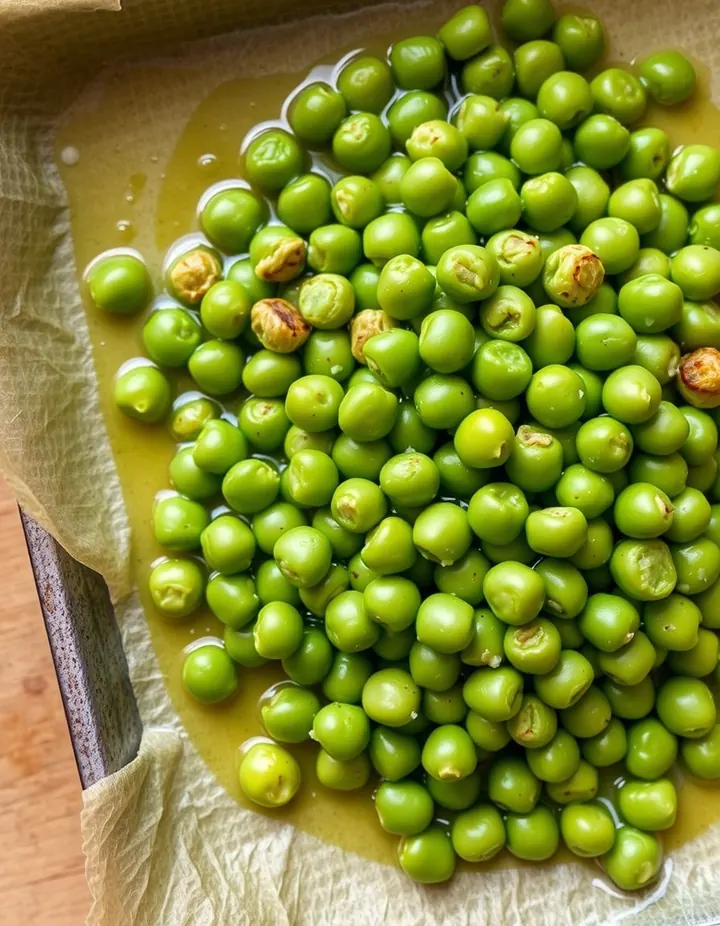 Green Peas229 recipes
 Carrot Soup134 recipes
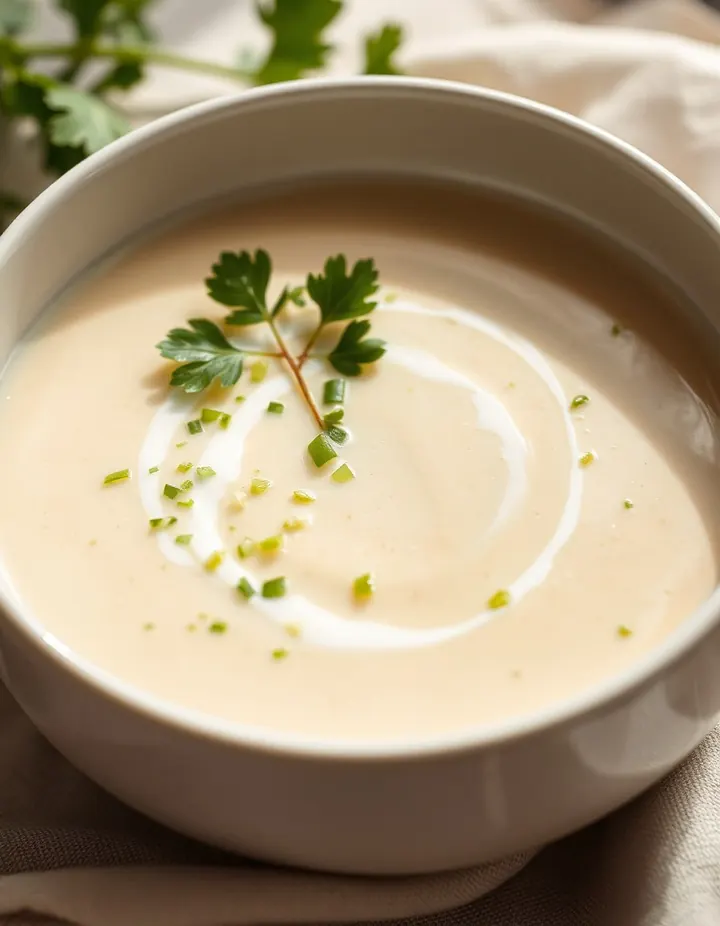 Cream of Celery Soup113 recipes
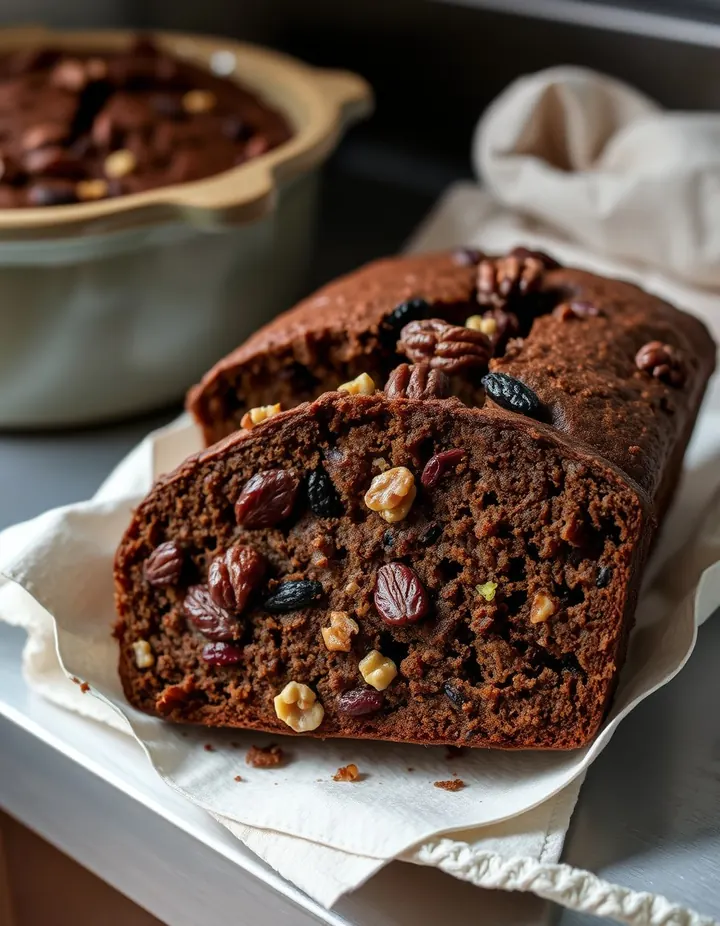 Pork Cake107 recipes
The free Flavor Lab newsletter: one surprising pairing a week and the molecular reason it works, in 60 seconds. No spam, unsubscribe anytime.
Prefer an account? Create a free account to save pairings and unlock the full chemistry.