Why it works: Carrot and celery match in chemistry and in kitchens. They rank in the top 1% of all ingredient pairs, and cooks put them together in 10,173 recipes. Both carry myristicin, which smells spice, warm. The science ↓
Ox-tongue Fresh
Ingredients
Directions
The book gives no oven temperature. The 350°F (175°C) in the steps was added when the recipe was transcribed, as a starting point.
Prepare
Soak the ox tongue in warm water for several hours and clean it.
Trim off all the fat and lard the thickest part with a rolling pin.
Skewer the tongue slightly and tie the vegetables around it.
Roast
Roast in a 350°F (175°C) oven for two hours and twenty minutes.
Remove the paper before it is done to allow browning.
Serve
Serve with any kind of plain vegetable.
Transcribed from a scanned cookbook and modernised for today's kitchens. Where the book gave no heat or time, or said "a moderate oven", the temperatures and times here may be modern equivalents rather than the book's own figures.
Explore the science
The flavor team
The pairs that carry this dish. Each one is judged two ways: how much their aromas overlap, and how often cooks already put them together.
-
Carrot + celerytop 1% of all pairsSmell alikestrongCooked together10,173 recipes
Shared aroma: myristicin (spice, warm).
-
Carrot + oniontop 6% of all pairsSmell alikemoderateCooked together21,601 recipes
Shared aroma: 2-isopropyl-3-methoxypyrazine (earthy, pea).
-
Onion + celerytop 7% of all pairsSmell alikemoderateCooked together18,518 recipes
Shared aroma: guaiacol (smoky, sweet).
Ranks compare each pair with 20,000 random ingredient pairs on CompKitchen. How we score pairs
What each ingredient does
- Ox tongue
- Main meat, a tough muscle that becomes tender with long, slow roasting.
- Vegetables
- Add moisture and aromatic flavor as they roast alongside the tongue.
The step that matters
Remove the paper before the tongue is done. Browning comes from the Maillard reaction, which needs a dry surface and direct heat. Removing the paper late lets the surface brown instead of staying pale and steamed.
Flavor stand-ins for the onion
How well each one fits the dish's main ingredients (carrot, celery):
- Parsnipbetter flavor fit
- Turnipbetter flavor fit
- Leekbetter flavor fit
- Onionthe original
Fit is the average pairing score against carrot, celery. Candidates are from the same food group and used in at least 100 recipes. This compares flavor only: it does not check the job the ingredient does in the dish (bulk, moisture, acidity, structure).
“What each ingredient does” and “The step that matters” were written by Claude from this recipe’s own method and reviewed in samples by CompKitchen.
You might also like
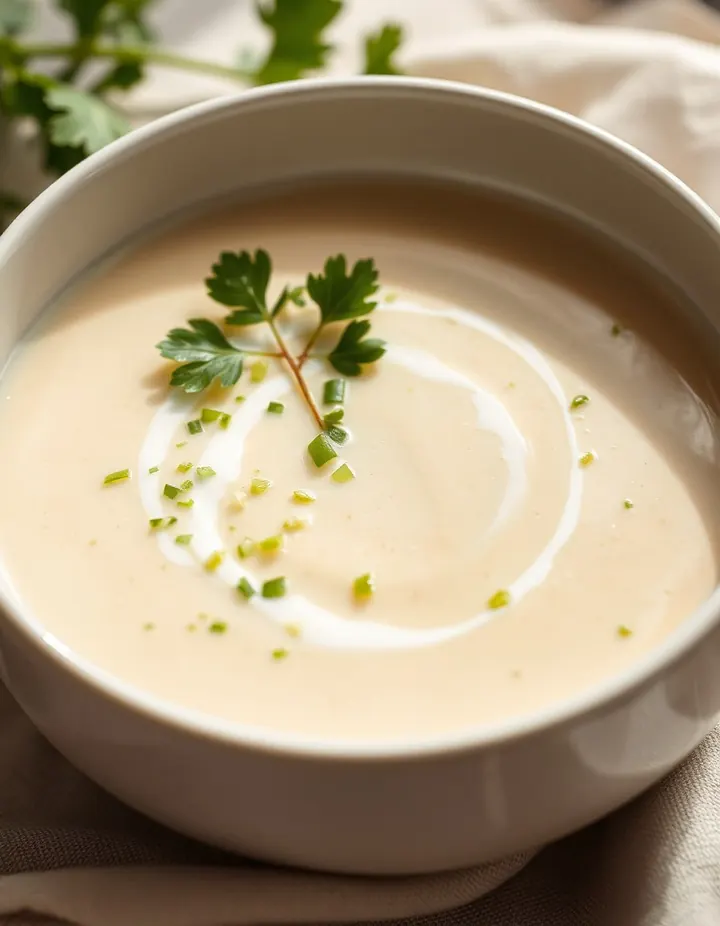
 Carrot Soup134 recipes
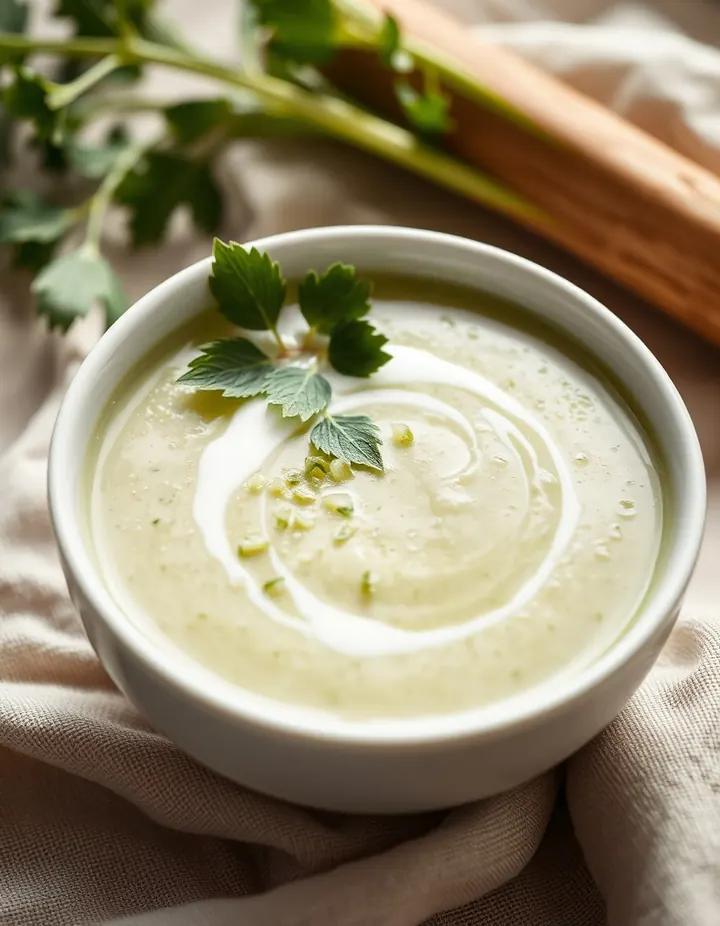
 Cream of Celery Soup113 recipes
 Celery Stew25 recipes
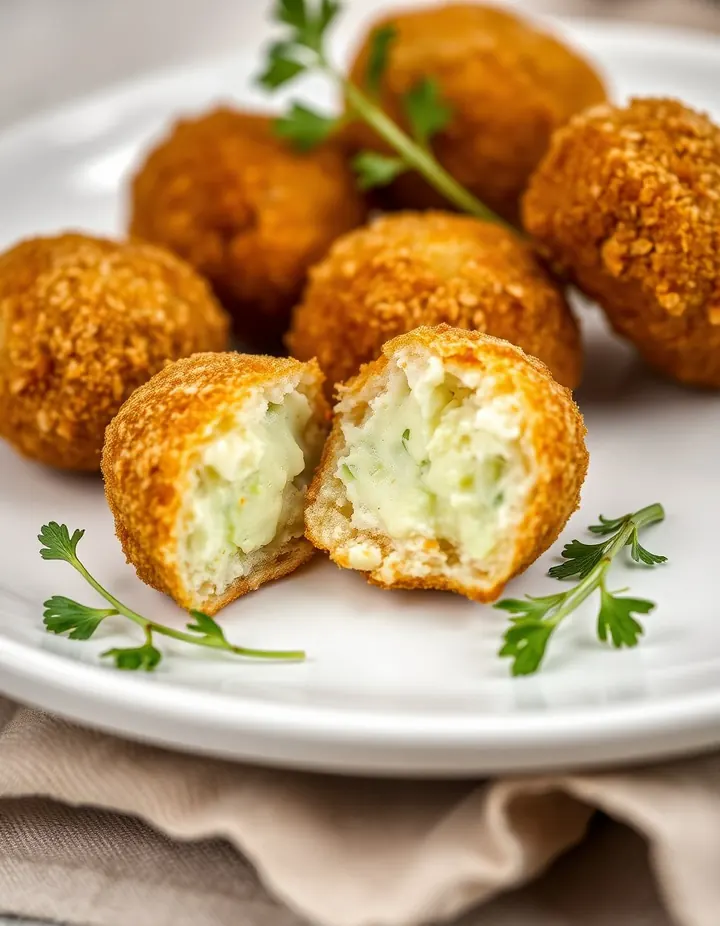 Celery Croquettes16 recipes
The free Flavor Lab newsletter: one surprising pairing a week and the molecular reason it works, in 60 seconds. No spam, unsubscribe anytime.
Prefer an account? Create a free account for sign-in; Pro adds the full results and chemistry.