Why it works: Olive and capers match in chemistry and in kitchens. They rank in the top 3% of all ingredient pairs, and cooks put them together in 1,688 recipes. Both carry coumarin, which smells sweet, hay. The science ↓
Vegetable Salad with Aspio Jelly, Italian Style
Ingredients
Directions
Prepare the vegetables
Cut out one dozen potatoes with a round cutter about the size of a quarter and slice them finely.
Slice the pickled beets in the same way and season both with pepper, salt, olive oil, and vinegar in separate bowls.
Cook the flounder
Prepare the flounder fillets by scraping off the skin and placing them in a buttered flat saucepan.
Season the flounder with salt, pepper, and a little white wine, then cook until done, keeping them white.
Once cooked, place the flounder on a platter to cool, then cut into scallops.
Add the same quantity of boned anchovies to the flounder, seasoning with pepper, salt, olive oil, and vinegar.
Assemble the aspic salad
Decorate the mold with aspic jelly, capers, olives, anchovies, and the whites of hard boiled eggs.
In a bowl, combine the flounder, anchovies, drained potatoes, beets, capers, and a few spoonfuls of mayonnaise dressing made with aspic jelly.
Gently mix the ingredients and fill the center of the mold, smoothing off the top evenly.
Set the mold in a cool place until ready to serve, garnishing with hard boiled eggs and chopped aspic jelly.
Transcribed from a scanned cookbook and modernised for today's kitchens. Where the book gave no heat or time, or said "a moderate oven", the temperatures and times here may be modern equivalents rather than the book's own figures.
Explore the science
The flavor team
The pairs that carry this dish. Each one is judged two ways: how much their aromas overlap, and how often cooks already put them together.
-
Olive + caperstop 3% of all pairsSmell alikestrongCooked together1,688 recipes
Shared aroma: coumarin (sweet, hay).
-
Potato + olivetop 7% of all pairsSmell alikemoderateCooked together6,458 recipes
Shared aroma: 2-undecenal (sweet).
-
Potato + caperstop 9% of all pairsSmell alikemoderateCooked together224 recipes
Shared aroma: coumarin (sweet, hay).
-
Potato + peppertop 9% of all pairsSmell alikemoderateCooked together8,305 recipes
Shared aroma: 2-isopropyl-3-methoxypyrazine (earthy, pea).
-
Olive + vinegartop 10% of all pairsSmell alikemoderateCooked together12,297 recipes
Shared aroma: isoamyl acetate (banana, fruity).
Ranks compare each pair with 20,000 random ingredient pairs on CompKitchen. How we score pairs
What each ingredient does
- Potatoes
- Sliced potatoes form the bulk and body of the salad layers.
- Flounder
- Cooked fish provides the main protein and tender, flaky texture.
- Aspic jelly
- Gelatin-based jelly sets the salad so it holds its shape when unmolded.
- Mayonnaise dressing
- Emulsified oil and egg dressing adds richness and moisture to the mixture.
- Pickled beets
- Vinegar-pickled beets add acidity and a sharp, tangy balance.
The step that matters
Keeping the flounder white while cooking. Overcooking or browning the fish toughens its proteins and dries it out, and it also changes the pale appearance the dish depends on. Cook gently until just done and cool it before cutting.
Swap the potato
How well each one fits the dish's main ingredients (pepper, olive, vinegar, white wine, capers, egg):
- Shallotfits better
- Mustardfits better
- Capsicumfits better
- Potatothe original
Fit is the average pairing score against pepper, olive, vinegar, white wine, capers, egg. Candidates are from the same food group and used in at least 100 recipes.
“What each ingredient does” and “The step that matters” were written by Claude from this recipe’s own method and reviewed in samples by CompKitchen.
You might also like
 Potato Croquettes255 recipes
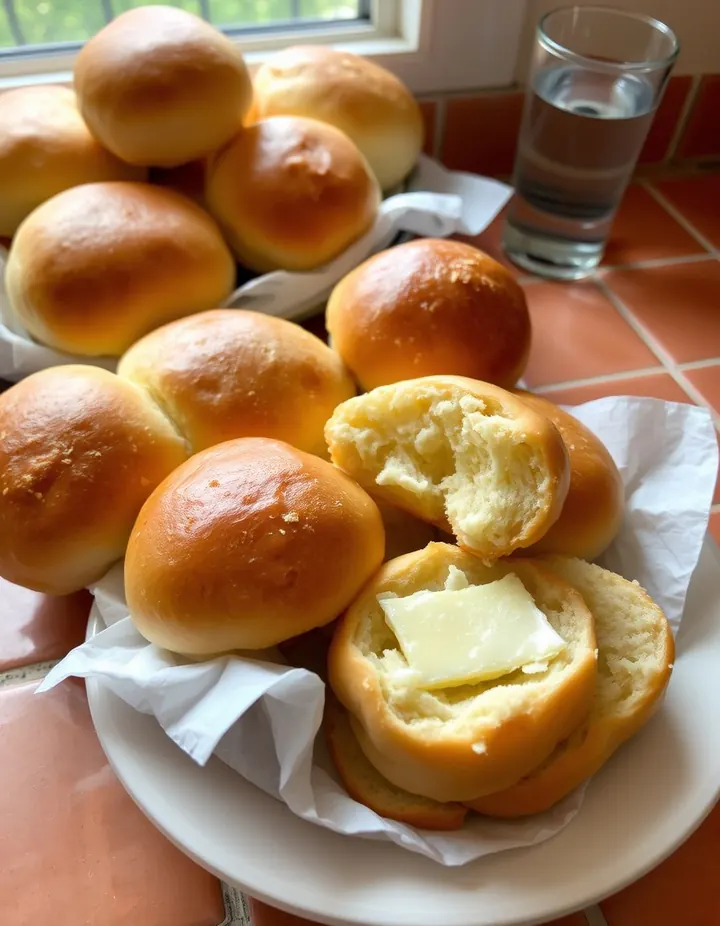 Potato Rolls78 recipes
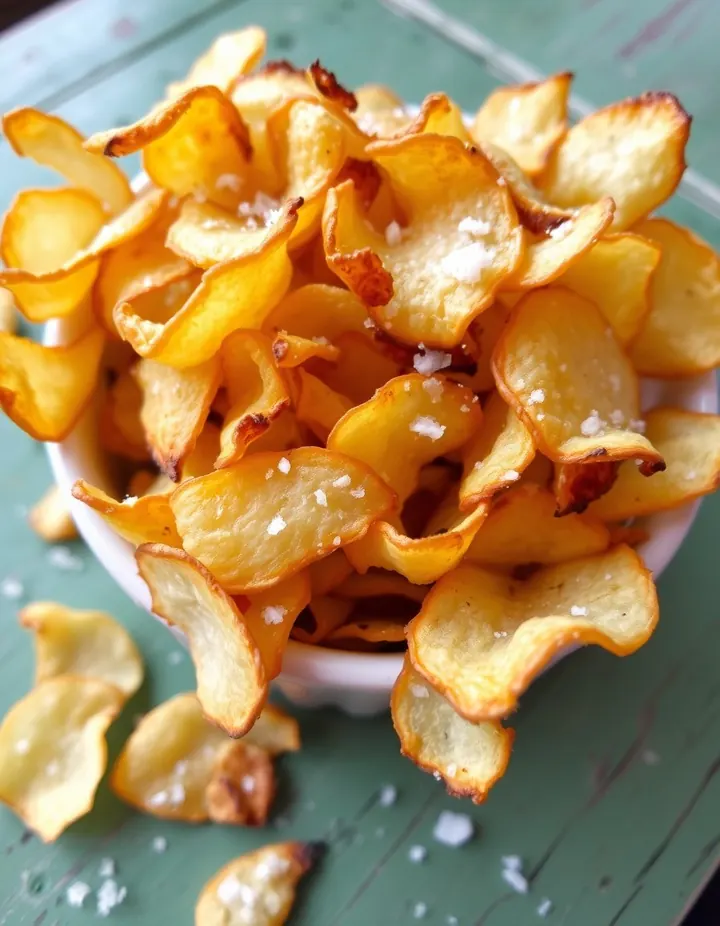 Potato Chips53 recipes
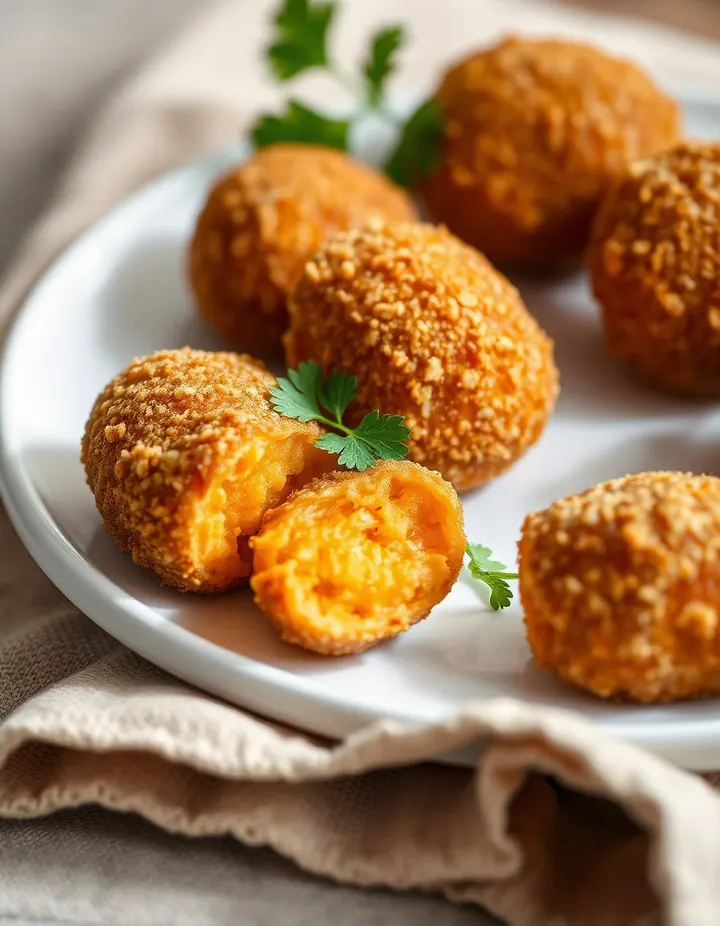 Sweet Potato Croquettes53 recipes
The free Flavor Lab newsletter: one surprising pairing a week and the molecular reason it works, in 60 seconds. No spam, unsubscribe anytime.
Prefer an account? Create a free account to save pairings and unlock the full chemistry.