Why it works: Vanilla and almond match in chemistry and in kitchens. They rank in the top 4% of all ingredient pairs, and cooks put them together in 3,961 recipes. Both carry eucalyptol, which smells eucalyptus, herbal. The science ↓
Vanilla Lozenges
Ingredients
Directions
The book says “a slow oven”. The 300°F in the steps is the modern equivalent, not the book's own figure.
Flavour and shape
Pound the vanilla stick with some sugar and sift it through a silk sieve, then mix the vanilla sugar with the paste.
Cut the mixture into any shape you like, such as diamonds or rings.
Dry the lozenges.
Make the batter
Weigh 1 pound of fine flour and dry it by the fire.
In a large basin, weigh 1 pound of fine sugar and grate in the lemon rind.
Add the yolks of 16 eggs one at a time, mixing well after each addition.
In a separate basin, beat the egg whites until stiff and smooth.
Gradually add the beaten egg whites to the yolk and sugar mixture, mixing lightly.
Add the warm flour and the Noyau, mixing until well combined.
Bake
Butter your molds and sprinkle fine sugar around the sides.
Pour the mixture into the molds and bake in a slow oven (300°F / 150°C).
If using very small molds, bake in a quicker oven.
Transcribed from a scanned cookbook and modernised for today's kitchens. Where the book gave no heat or time, or said "a moderate oven", the temperatures and times here may be modern equivalents rather than the book's own figures.
Explore the science
The flavor team
The pairs that carry this dish. Each one is judged two ways: how much their aromas overlap, and how often cooks already put them together.
-
Vanilla + almondtop 4% of all pairsSmell alikestrongCooked together3,961 recipes
Shared aroma: eucalyptol (eucalyptus, herbal).
-
Flour + almondtop 5% of all pairsSmell alikemoderateCooked together8,673 recipes
Shared aroma: isobutyraldehyde (malty, green).
-
Vanilla + sugartop 8% of all pairsSmell alikelowCooked together35,032 recipes
Shared aroma: beta-damascenone (apple, rose).
-
Lemon + almondtop 10% of all pairsSmell alikestrongCooked together5,655 recipes
Shared aroma: eucalyptol (eucalyptus, herbal).
-
Vanilla + flourtop 12% of all pairsSmell alikemoderateCooked together19,241 recipes
Shared aroma: isobutyraldehyde (malty, green).
Vanilla and sugar barely smell alike, yet cooks put them together in 35,032 recipes: they work on texture and structure more than aroma.
Ranks compare each pair with 20,000 random ingredient pairs on CompKitchen. How we score pairs
What each ingredient does
- Eggs
- Whipped whites trap air for a light structure, while yolks add richness and set the lozenges.
- Fine sugar
- Sweetens the lozenges and gives a fine, tender crumb as it dissolves into the batter.
- Fine flour
- Provides structure, setting the batter as it bakes so the lozenges hold their shape.
- Vanilla stick
- Supplies the main aroma and flavour of the lozenges.
- Lemon rind
- Adds bright aromatic oils that lift the sweetness of the batter.
The step that matters
Folding in the beaten egg whites. The whites hold the air that makes the lozenges light. Mixing too vigorously deflates the foam, so the whites should be added gradually and mixed lightly.
Swap the almond
The recipe marks almond as optional. How well each one fits the dish's main ingredients (vanilla, sugar, flour, lemon, egg):
- Almondthe original
- Chestnutfits about as well
- Milletfits less well
- Pistachiofits less well
Fit is the average pairing score against vanilla, sugar, flour, lemon, egg. Candidates are from the same food group and used in at least 100 recipes.
“What each ingredient does” and “The step that matters” were written by Claude from this recipe’s own method and reviewed in samples by CompKitchen.
You might also like
 Lemon Cake228 recipes
 Lemon Ice147 recipes
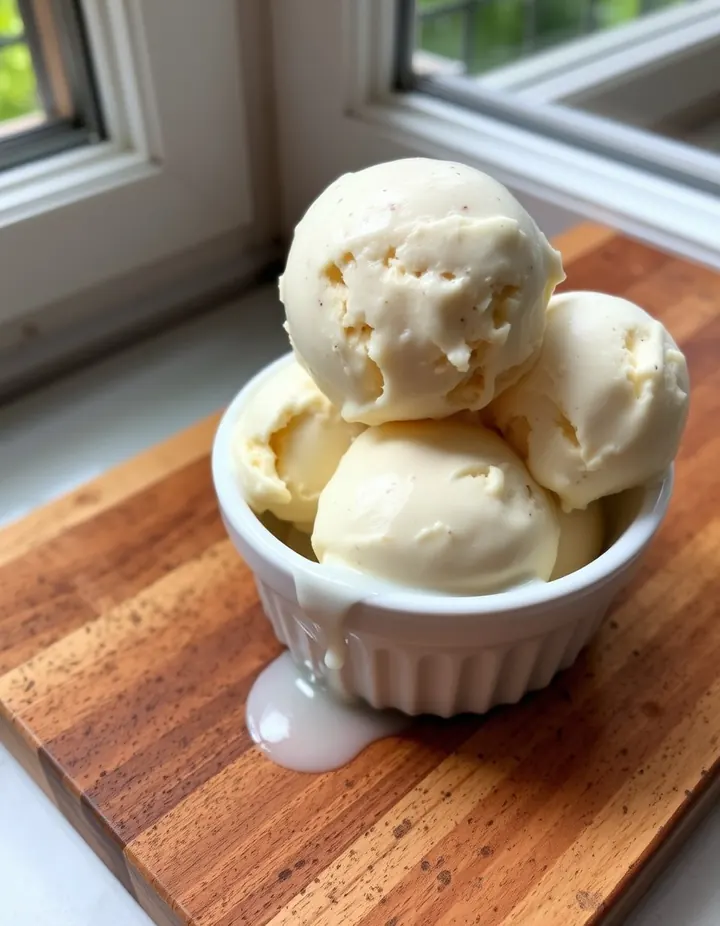 Vanilla Ice Cream108 recipes
 Lemon Sherbet103 recipes
The free Flavor Lab newsletter: one surprising pairing a week and the molecular reason it works, in 60 seconds. No spam, unsubscribe anytime.
Prefer an account? Create a free account to save pairings and unlock the full chemistry.