Why it works: Clove and allspice match in chemistry and in kitchens. They rank in the top 1% of all ingredient pairs, and cooks put them together in 7,874 recipes. Both carry estragole, which smells anise, licorice. The science ↓
Pickled Nasturtiums
Ingredients
Directions
Prepare the brine and nasturtiums
Partly fill jars with salted vinegar.
Wash and dry the nasturtiums, then add them to the vinegar, ensuring they are fully covered.
Salt and season the vegetables
Slice the cabbage and divide the cauliflower florets.
Sprinkle salt over the cabbage and cauliflower in a large dish, and set aside for 48 hours.
After 48 hours, dry the vegetables and place them in a large jar with garlic and other seasonings.
Boil the vinegar and pour it over the vegetables, ensuring they are well covered.
Once cooled, cover the jar.
Add the remaining vegetables
As other vegetables ripen, wash them in cold vinegar, wipe them, and add them to the jar, ensuring they are covered by vinegar.
If more vinegar is needed, boil it before adding.
When all vegetables are collected, mix them thoroughly in a large bowl.
Pack and seal the jars
Pack the vegetables into smaller jars without vinegar.
Boil the vinegar again, adding more as needed to fill the jars, along with additional seasonings.
Bring to a boil and pour over the packed vegetables.
Once cooled, cover the jars.
Transcribed from a scanned cookbook and modernised for today's kitchens. Where the book gave no heat or time, or said "a moderate oven", the temperatures and times here may be modern equivalents rather than the book's own figures.
Explore the science
The flavor team
The pairs that carry this dish. Each one is judged two ways: how much their aromas overlap, and how often cooks already put them together.
-
Clove + allspicetop 1% of all pairsSmell alikestrongCooked together7,874 recipes
Shared aroma: estragole (anise, licorice).
-
Shallot + horseradishtop 1% of all pairsSmell alikestrongCooked together376 recipes
Shared aroma: coumarin (sweet, hay).
-
Clove + gingertop 1% of all pairsSmell alikestrongCooked together6,038 recipes
Shared aroma: estragole (anise, licorice).
-
Ginger + allspicetop 1% of all pairsSmell alikestrongCooked together2,620 recipes
Shared aroma: estragole (anise, licorice).
-
Garlic + shallottop 4% of all pairsSmell alikestrongCooked together2,000 recipes
Shared aroma: coumarin (sweet, hay).
Ranks compare each pair with 20,000 random ingredient pairs on CompKitchen. How we score pairs
What each ingredient does
- Vinegar
- Acts as the preserving liquid, keeping the vegetables acidic and covered for pickling.
- Salt
- Draws water out of the cabbage and cauliflower, firming them and helping them stay crisp.
- Garlic
- Adds pungent aroma that mellows and flavours the pickling liquid.
- Mustard seed
- Contributes sharp pungency and flavour to the pickling brine.
- Ginger root
- Adds warm, aromatic pungency to the pickled vegetables.
- White cabbage
- Forms the firm, crisp body of the pickle after salting.
The step that matters
Salting the cabbage and cauliflower for 48 hours. Salt draws out excess water through osmosis. If the vegetables are not dried well before packing, the extra moisture dilutes the vinegar and the pickle can spoil or turn soft.
Swap the garlic
How well each one fits the dish's main ingredients (vinegar, clove, shallot, horseradish, ginger, pepper, allspice):
- Cinnamonfits better
- Turmericfits better
- Tarragonfits better
- Garlicthe original
Fit is the average pairing score against vinegar, clove, shallot, horseradish, ginger, pepper, allspice. Candidates are from the same food group and used in at least 100 recipes.
“What each ingredient does” and “The step that matters” were written by Claude from this recipe’s own method and reviewed in samples by CompKitchen.
You might also like
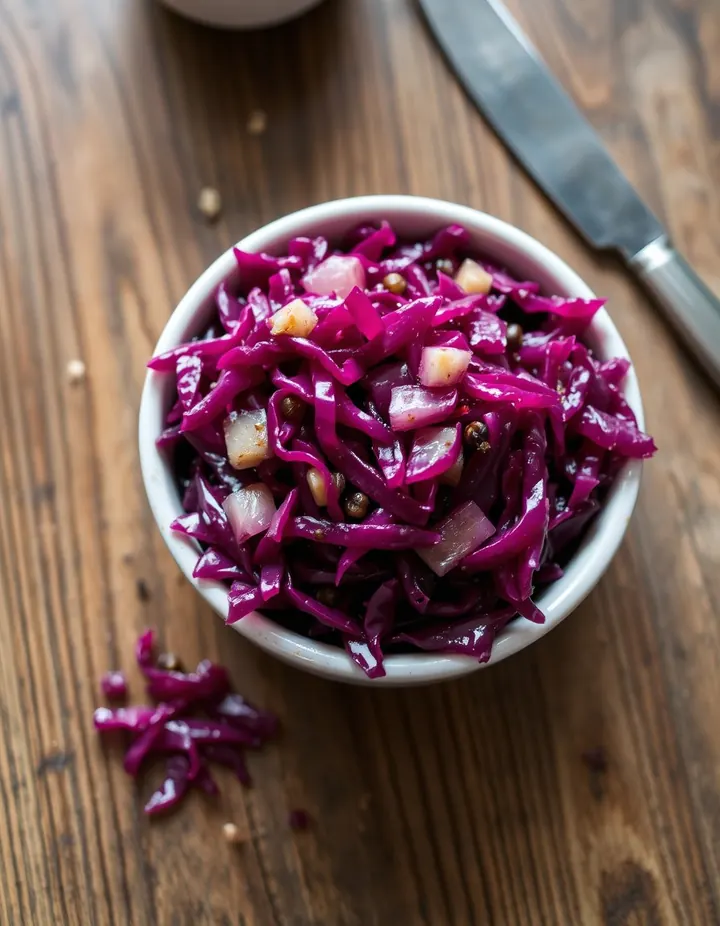 Red Cabbage65 recipes
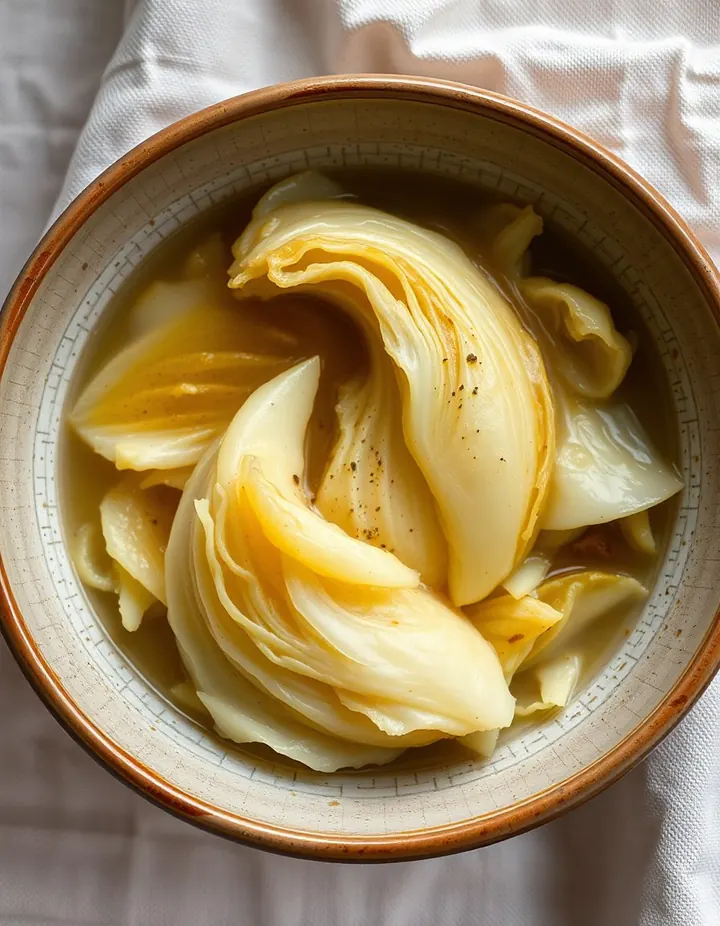 Stewed Cabbage58 recipes
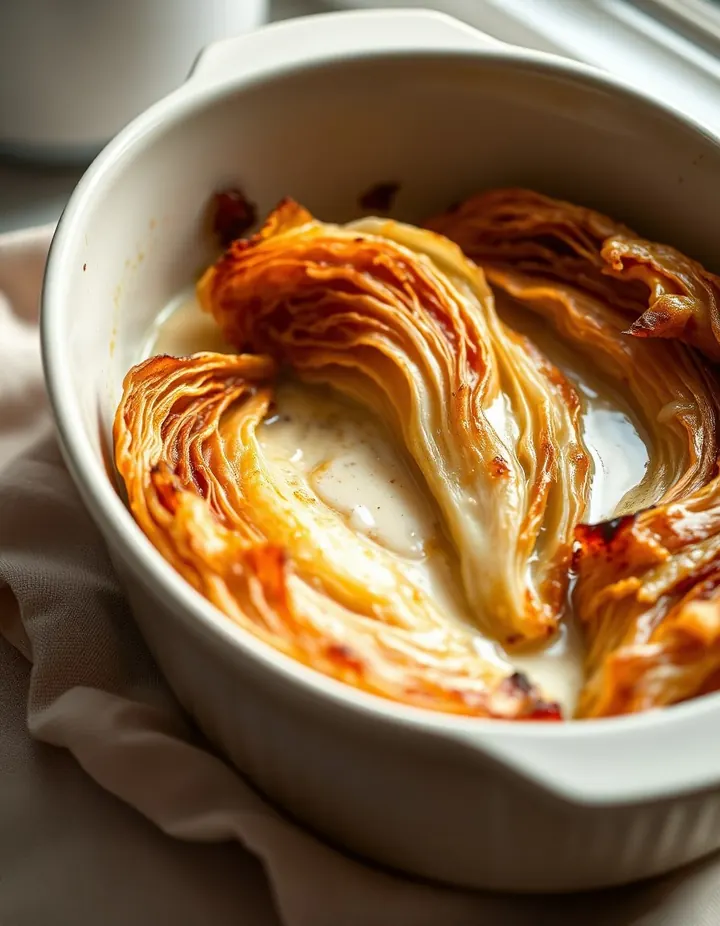 Baked Cabbage51 recipes
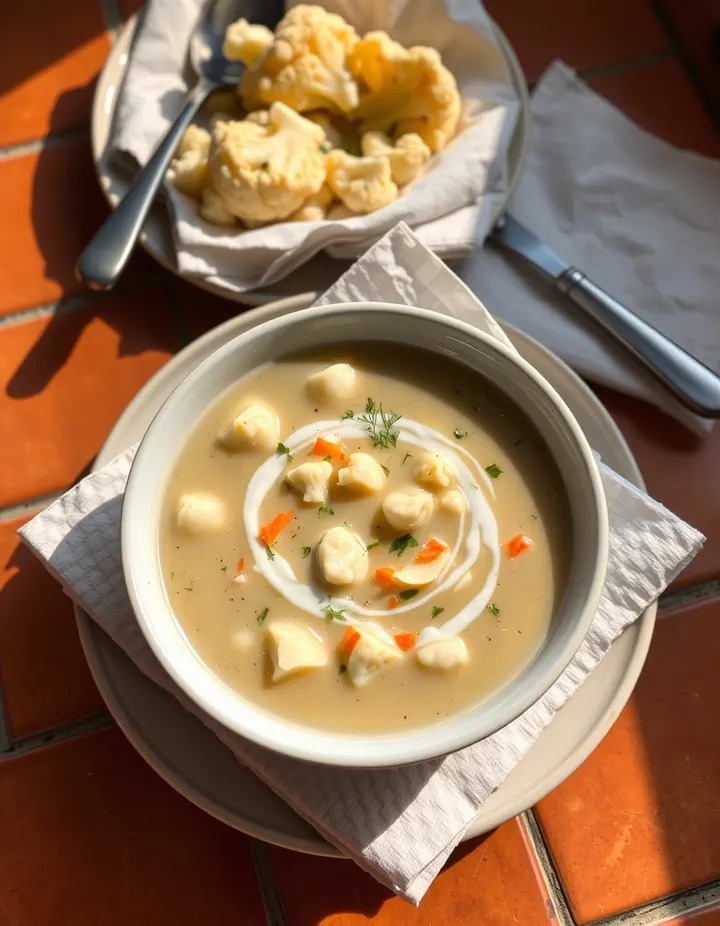 Cauliflower Soup28 recipes
The free Flavor Lab newsletter: one surprising pairing a week and the molecular reason it works, in 60 seconds. No spam, unsubscribe anytime.
Prefer an account? Create a free account to save pairings and unlock the full chemistry.