Why it works: Ginger and clove match in chemistry and in kitchens. They rank in the top 1% of all ingredient pairs, and cooks put them together in 6,038 recipes. Both carry estragole, which smells anise, licorice. The science ↓
To Preserve Jargonelle Pears
Ingredients
Directions
Prepare the pears
Gather pears with stalks before they are quite ripe.
Pare the pears thinly, keeping the stalks, and cut out the black tops.
Place the pears in cold water.
Line a preserving pan with cabbage leaves.
Add the pears to the pan.
Cover the pears with cold water.
Top with more cabbage leaves.
Boil the pears for 30 minutes.
Transfer the boiled pears to a dish.
Make the syrup and cook the pears
Combine 6 pounds of sugar with 1 quart of water in a pot.
Boil the mixture and skim.
Add the soaked ginger and the juice and rind of the lemons to the syrup.
Boil the syrup for 10 minutes.
Add the pears to the syrup.
Boil for 20 minutes.
Remove the pears and place them in a bowl.
Boil the syrup for an additional 8 minutes.
Let the syrup cool.
Pour the cooled syrup over the pears.
Cover the pears with paper.
Let them sit for 4 days.
Rest and repeat
Pour off the syrup.
Boil the syrup for 8 minutes.
Pour the cooled syrup over the pears.
Let the pears sit for another 4 days.
Repeat the process of pouring off syrup, boiling it, and pouring it over the pears.
Let the pears sit for another 4 days.
Repeat the process a third time.
Finish and jar
Insert a clove into each pear where the black top was cut out.
Transfer the pears to jars.
Divide the ginger and lemon peel among the jars.
Pour the cooled syrup over the pears.
Transcribed from a scanned cookbook and modernised for today's kitchens. Where the book gave no heat or time, or said "a moderate oven", the temperatures and times here may be modern equivalents rather than the book's own figures.
Explore the science
The flavor team
The pairs that carry this dish. Each one is judged two ways: how much their aromas overlap, and how often cooks already put them together.
-
Ginger + clovetop 1% of all pairsSmell alikestrongCooked together6,038 recipes
Shared aroma: estragole (anise, licorice).
-
Ginger + lemontop 5% of all pairsSmell alikestrongCooked together5,154 recipes
Shared aroma: beta-phellandrene (minty, terpene).
-
Ginger + cabbagetop 9% of all pairsSmell alikemoderateCooked together545 recipes
Shared aroma: 2-isopropyl-3-methoxypyrazine (earthy, pea).
-
Lemon + clovetop 10% of all pairsSmell alikestrongCooked together8,150 recipes
Shared aroma: eucalyptol (eucalyptus, herbal).
-
Cabbage + clovetop 12% of all pairsSmell alikemoderateCooked together933 recipes
Shared aroma: ethyl octanoate (fruity, wine).
Ranks compare each pair with 20,000 random ingredient pairs on CompKitchen. How we score pairs
What each ingredient does
- Pears (in the method)
- Form the body of the preserve, softening and turning tender as they cook in syrup.
- Sugar
- Preserves the fruit and sweetens it, thickening the syrup as it cooks down.
- White ginger
- Adds a warm, spicy aroma that complements the sweet pear flavour.
- Lemons
- Add acidity and fragrant oils from the juice and rind that brighten the sweet syrup.
- Cloves
- Add a warm, aromatic spice flavour to the pears.
The step that matters
Repeated syrup boiling and resting. Pouring the syrup off, reboiling it and pouring it back over the pears several times draws sugar into the fruit gradually. Rushing this or skipping a round can leave the pears less sweet and less preserved.
Swap the cabbage
How well each one fits the dish's main ingredients (sugar, ginger, lemon, clove):
- Arrowrootfits better
- Carrotfits better
- Shallotfits better
- Cabbagethe original
Fit is the average pairing score against sugar, ginger, lemon, clove. Candidates are from the same food group and used in at least 100 recipes.
“What each ingredient does” and “The step that matters” were written by Claude from this recipe’s own method and reviewed in samples by CompKitchen.
You might also like
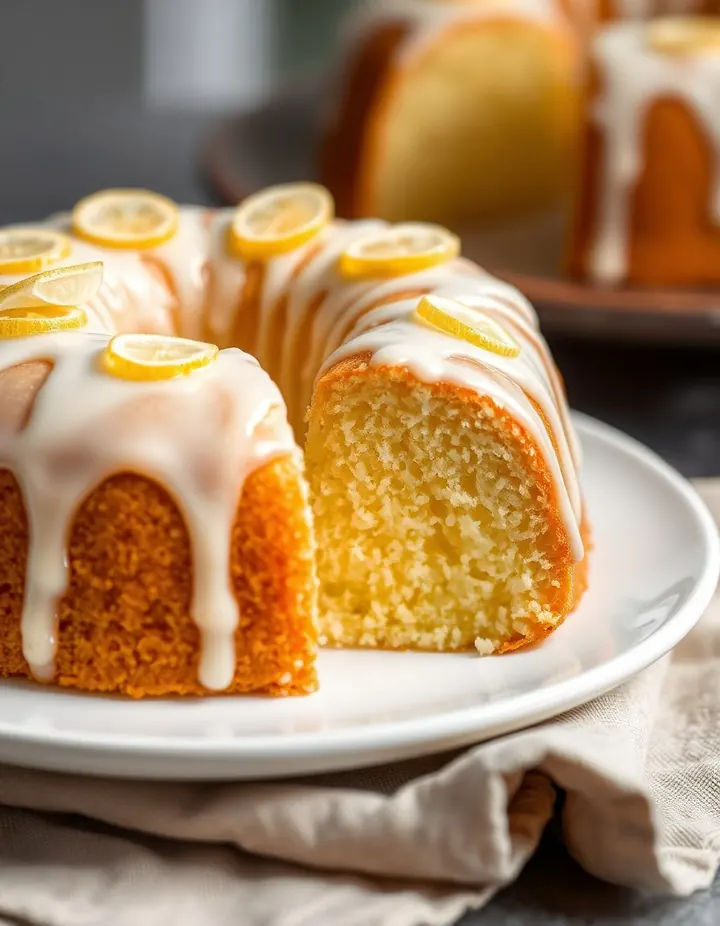 Lemon Cake228 recipes
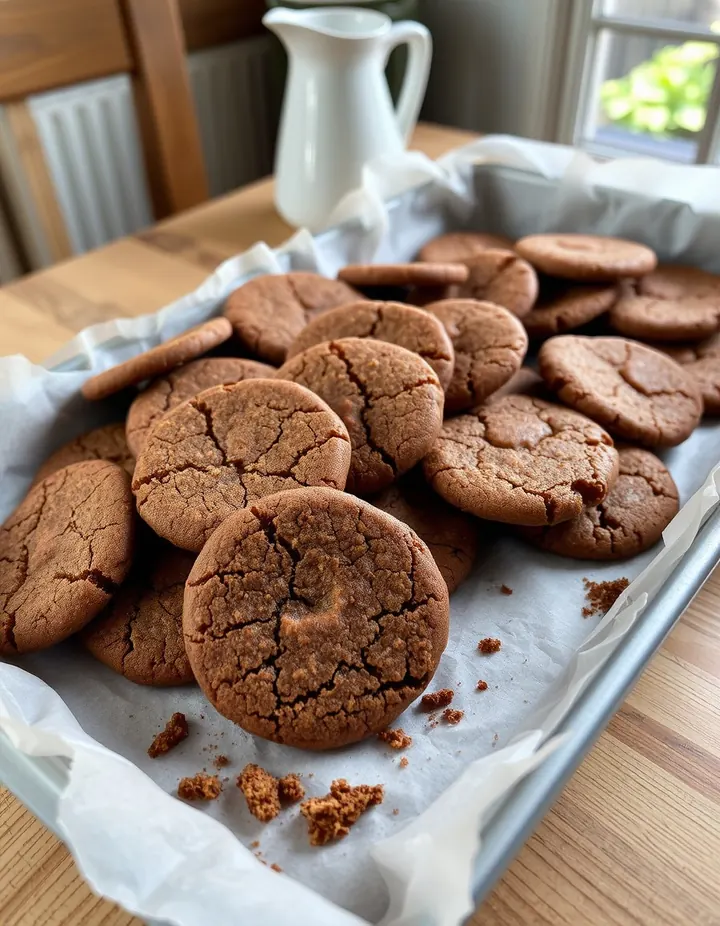 Ginger Cookies213 recipes
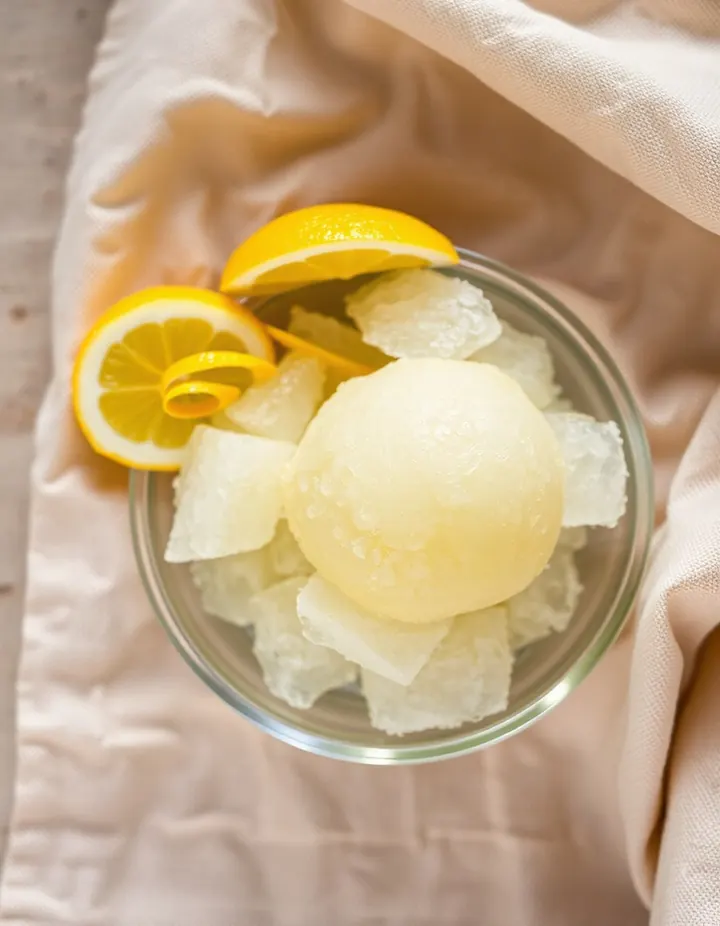 Lemon Ice147 recipes
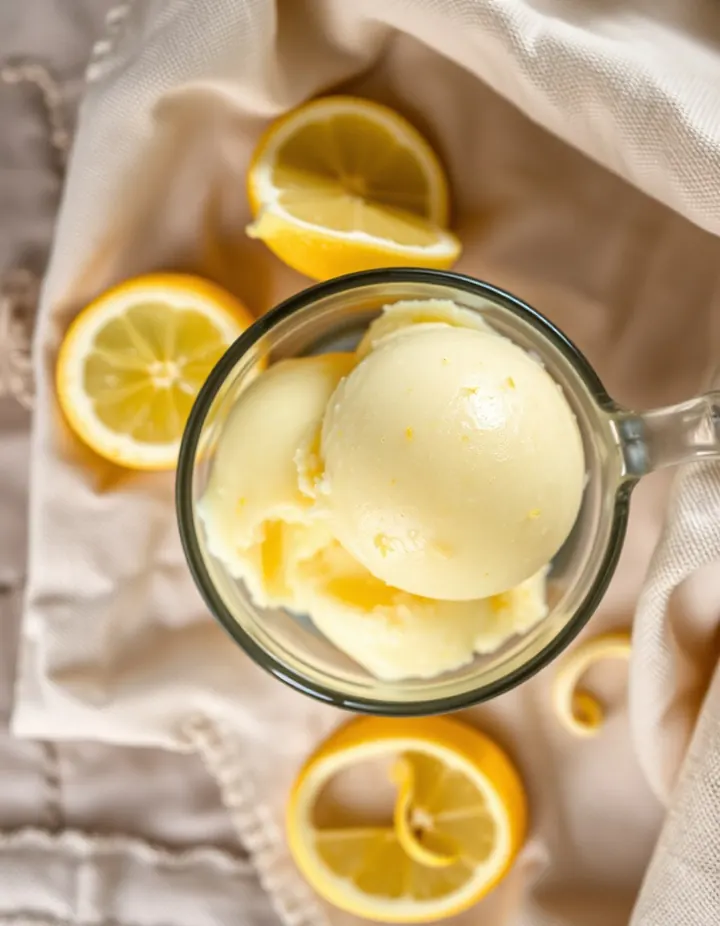 Lemon Sherbet103 recipes
The free Flavor Lab newsletter: one surprising pairing a week and the molecular reason it works, in 60 seconds. No spam, unsubscribe anytime.
Prefer an account? Create a free account to save pairings and unlock the full chemistry.