Why it works: Lemon and pepper match in chemistry and in kitchens. They rank in the top 3% of all ingredient pairs, and cooks put them together in 27,047 recipes. Both carry trans-2-nonenal, which smells cardboard, fatty. The science ↓
Lobster Cornets
Ingredients
Directions
The book says “a hot oven”. The 400°F (200°C) in the steps is the modern equivalent, not the book's own figure.
Prepare the pastry
Roll out the puff pastry as thinly as possible, about 18 inches long, and cut into strips 1 inch wide.
Wet the right-hand side of each strip and roll it onto greased slipper moulds, starting at the thin end.
Fold over the under-layer of pastry each time and finish the top neatly.
Place on a baking sheet and brush the tops with beaten egg.
Bake in a hot oven at 400°F (200°C) for 8 to 10 minutes.
Make the filling
In a pan, melt the butter, then stir in the flour and add the milk.
Stir until it boils and thickens, then add the lobster, veal, or chicken, along with salt, pepper, cayenne, and lemon juice.
Reheat the mixture and transfer it to a piping bag with a plain tube.
Fill and serve
Remove the moulds from the pastry cases and fill each with the mixture.
Garnish with lobster coral and parsley, and serve hot or cold.
Transcribed from a scanned cookbook and modernised for today's kitchens. Where the book gave no heat or time, or said "a moderate oven", the temperatures and times here may be modern equivalents rather than the book's own figures.
Explore the science
The flavor team
The pairs that carry this dish. Each one is judged two ways: how much their aromas overlap, and how often cooks already put them together.
-
Lemon + peppertop 3% of all pairsSmell alikestrongCooked together27,047 recipes
Shared aroma: trans-2-nonenal (cardboard, fatty).
-
Butter + milktop 7% of all pairsSmell alikemoderateCooked together81,283 recipes
Shared aroma: (z)-4-heptenal (biscuit, cream).
-
Butter + flourtop 12% of all pairsSmell alikelowCooked together124,287 recipes
Shared aroma: isobutyraldehyde (malty, green).
-
Flour + milktop 14% of all pairsSmell alikelowCooked together78,219 recipes
Shared aroma: isobutyraldehyde (malty, green).
-
Milk + lemontop 15% of all pairsSmell alikemoderateCooked together19,053 recipes
Shared aroma: 2-nonenal (fatty, green).
Butter and flour barely smell alike, yet cooks put them together in 124,287 recipes: they work on texture and structure more than aroma.
Ranks compare each pair with 20,000 random ingredient pairs on CompKitchen. How we score pairs
What each ingredient does
- Puff pastry
- Bakes into crisp, flaky layers that form the cornet shells.
- Butter
- Enriches the sauce and carries flavour through the roux.
- Flour
- Thickens the milk and stock into a smooth, binding sauce.
- Milk or cream
- Adds moisture and richness, giving the sauce a creamy body.
- Lobster, veal, or chicken
- Provides the main filling flavour and substance of the mixture.
The step that matters
Stirring the roux and milk until it boils and thickens. Flour must be cooked in the melted butter and the liquid brought to a boil so the starch swells and thickens smoothly; stopping early leaves a thin, floury sauce and stirring prevents lumps and scorching on the base of the pan.
“What each ingredient does” and “The step that matters” were written by Claude from this recipe’s own method and reviewed in samples by CompKitchen.
You might also like
 Lemon Sauce236 recipes
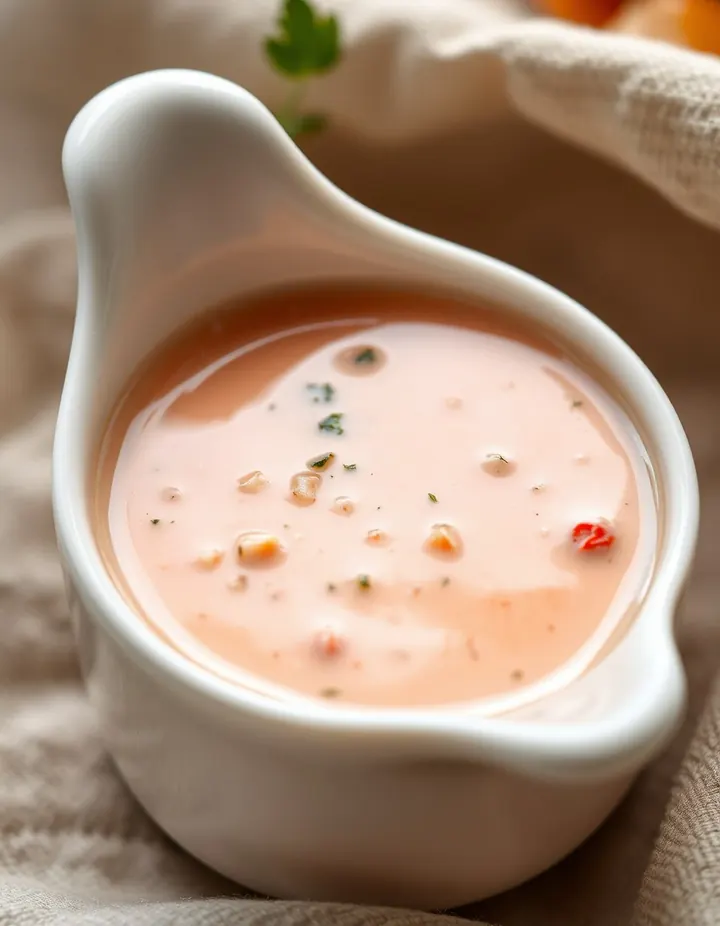 Lobster Sauce174 recipes
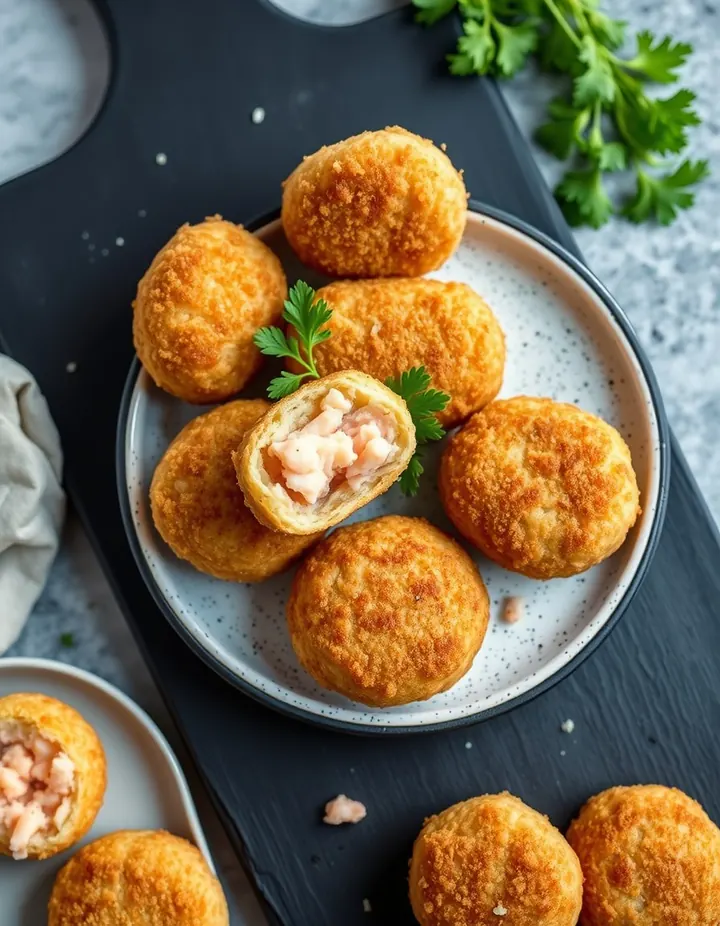 Lobster Croquettes99 recipes
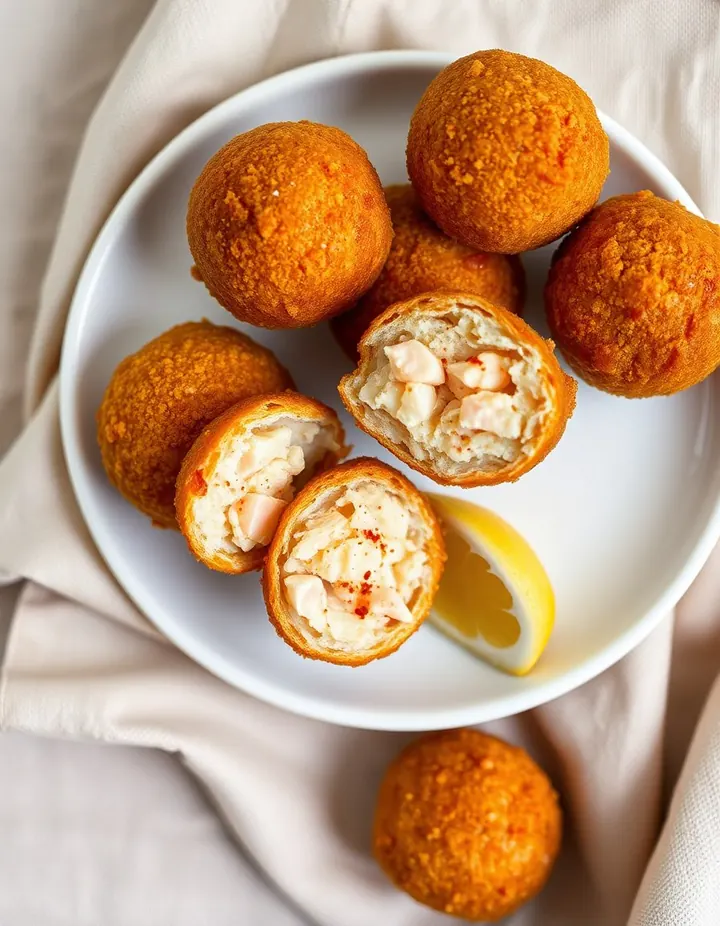 Lobster Balls7 recipes
The free Flavor Lab newsletter: one surprising pairing a week and the molecular reason it works, in 60 seconds. No spam, unsubscribe anytime.
Prefer an account? Create a free account to save pairings and unlock the full chemistry.