Why it works: Lemon and pepper match in chemistry and in kitchens. They rank in the top 3% of all ingredient pairs, and cooks put them together in 27,047 recipes. Both carry trans-2-nonenal, which smells cardboard, fatty. The science ↓
Tartlets a LA Princesse
Ingredients
Directions
The book gives no oven temperature. The 400°F (200°C) in the steps was added when the recipe was transcribed, as a starting point.
Prepare the pastry
Prepare the pastry a few hours in advance.
Roll it out to about ½ inch thick.
Stamp out rounds about 3 inches in diameter with a fancy cutter.
Stamp out the same number of rounds with a 2-inch cutter.
Remove the centers with a 1-inch cutter.
Brush the tops of the large rounds with beaten egg.
Place the smaller rounds on top.
Brush again with egg.
Bake for 15 minutes at 400°F (200°C).
Make the filling
Melt the butter in a saucepan.
Add the flour and stir until smooth.
Add the cream, liquid from the oysters, salt, pepper, cayenne, and lemon juice.
Boil for three minutes until thick.
Remove the gills from the oysters, drop them into boiling water for half a minute, and chop them into smaller pieces.
Add the oysters to the sauce.
Add the grated cheese.
Add one finely chopped hard-boiled egg.
Add chopped lobster.
Add white and yolk of egg.
Add parsley.
Assemble
Fill each pastry case with the mixture.
Transcribed from a scanned cookbook and modernised for today's kitchens. Where the book gave no heat or time, or said "a moderate oven", the temperatures and times here may be modern equivalents rather than the book's own figures.
Explore the science
The flavor team
The pairs that carry this dish. Each one is judged two ways: how much their aromas overlap, and how often cooks already put them together.
-
Lemon + peppertop 3% of all pairsSmell alikestrongCooked together27,047 recipes
Shared aroma: trans-2-nonenal (cardboard, fatty).
-
Cream + lobstertop 6% of all pairsSmell alikemoderateCooked together1,050 recipes
Shared aroma: 1-octen-3-one (mushroom, metallic).
-
Butter + creamtop 8% of all pairsSmell alikemoderateCooked together41,516 recipes
Shared aroma: delta-dodecalactone (sweet, creamy).
-
Butter + flourtop 12% of all pairsSmell alikelowCooked together124,287 recipes
Shared aroma: isobutyraldehyde (malty, green).
-
Butter + oystertop 12% of all pairsSmell alikemoderateCooked together8,184 recipes
Shared aroma: 2,6-nonadienal (cucumber, green).
Butter and flour barely smell alike, yet cooks put them together in 124,287 recipes: they work on texture and structure more than aroma.
Ranks compare each pair with 20,000 random ingredient pairs on CompKitchen. How we score pairs
What each ingredient does
- Puff pastry
- Its layers puff with steam in the oven, forming the crisp, flaky case.
- Butter
- Melted with flour, it forms the roux that thickens the sauce and adds richness.
- Flour
- Cooked with the melted butter, it thickens the cream into a smooth sauce.
- Cream
- Adds richness and body, and thickens the sauce as it boils.
- Hard-boiled eggs
- Their chopped whites and yolks give the filling body and a firm, creamy texture.
- Oysters
- Provide the main seafood flavour and a tender, briny texture in the sauce.
The step that matters
Boil the sauce for three minutes until thick. Flour must be cooked past raw-starch stage to thicken fully and lose its pasty taste. Stopping early leaves a thin filling that runs out of the pastry cases and a floury flavour.
“What each ingredient does” and “The step that matters” were written by Claude from this recipe’s own method and reviewed in samples by CompKitchen.
You might also like
 Lemon Sauce236 recipes
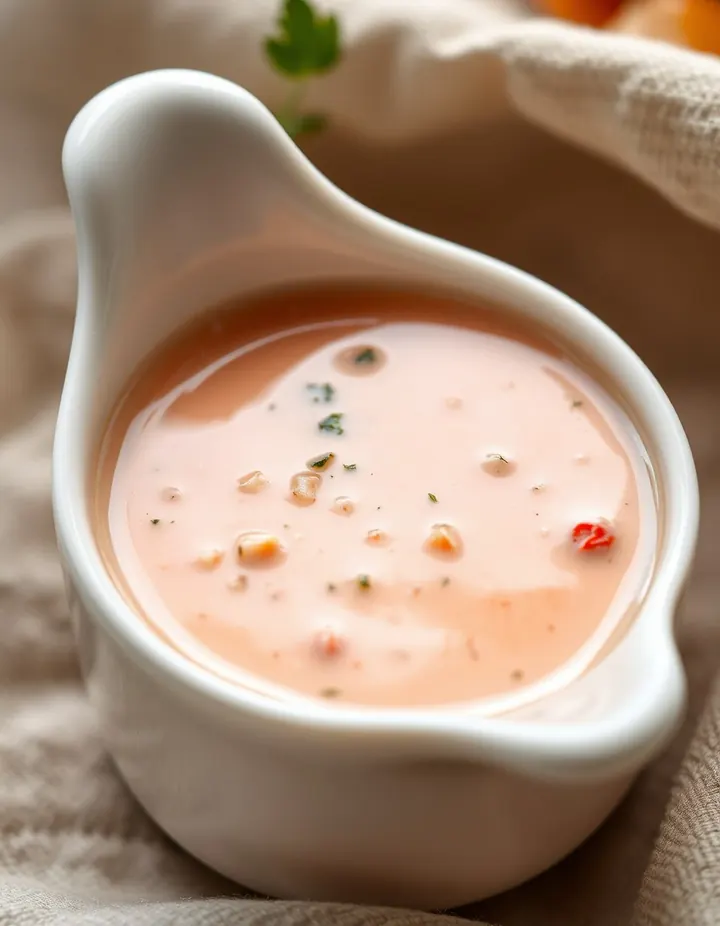 Lobster Sauce174 recipes
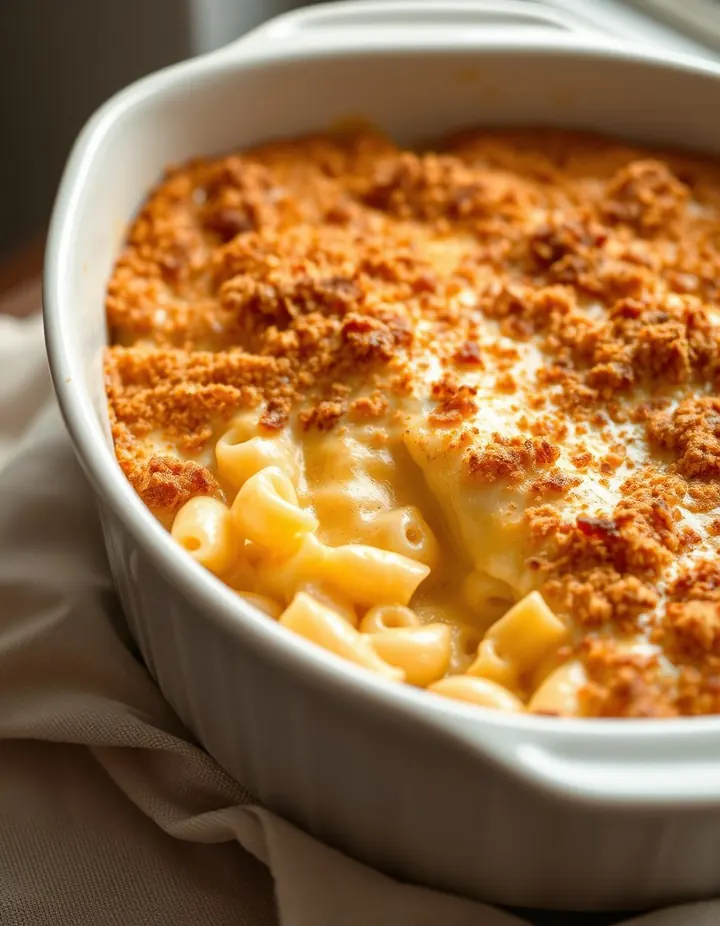 Macaroni and Cheese102 recipes
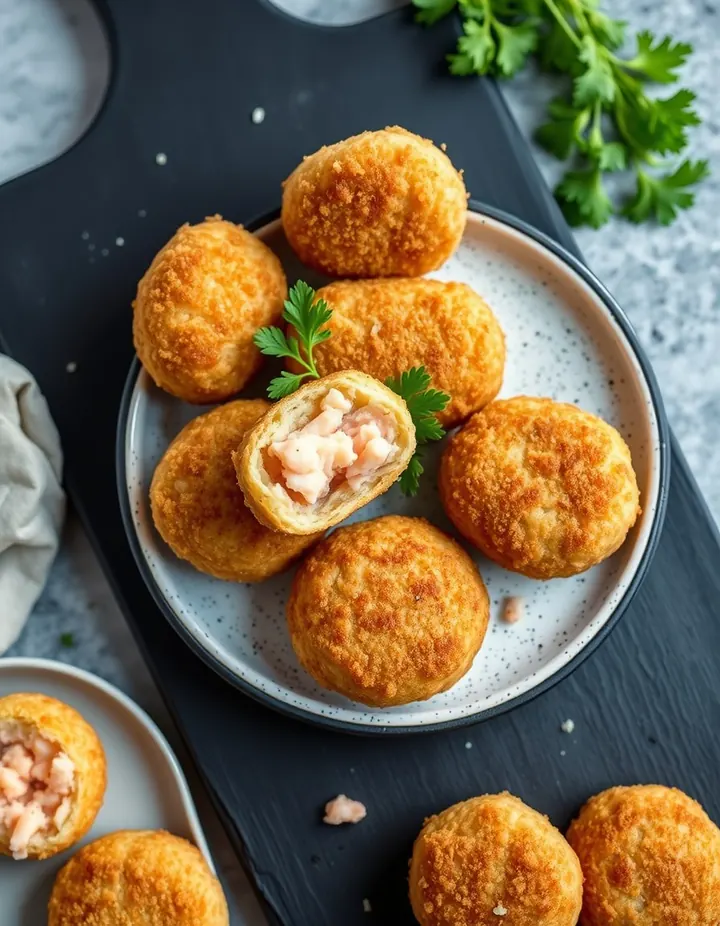 Lobster Croquettes99 recipes
The free Flavor Lab newsletter: one surprising pairing a week and the molecular reason it works, in 60 seconds. No spam, unsubscribe anytime.
Prefer an account? Create a free account to save pairings and unlock the full chemistry.