Why it works: Butter and flour are a kitchen classic. They rank in the top 12% of all ingredient pairs, and cooks put them together in 124,287 recipes. Both carry isobutyraldehyde, which smells malty, green. The science ↓
Turkey Poults, Roast
Ingredients
Directions
Choose a plump turkey poult and truss it by skinning the neck and fastening the head under the wing.
Bring the feet close to the thighs, similar to how a woodcock is trussed.
Place the turkey poult in front of a bright fire and baste it well.
Cover the breast with a piece of paper to prevent over-browning.
About 10 minutes before serving, lightly dredge the turkey with flour and baste it again.
Once nicely browned, serve immediately with a little gravy in the dish and some in a tureen.
Garnish with watercress if available.
Transcribed from a scanned cookbook and modernised for today's kitchens. Where the book gave no heat or time, or said "a moderate oven", the temperatures and times here may be modern equivalents rather than the book's own figures.
Explore the science
The flavor team
The pairs that carry this dish. Each one is judged two ways: how much their aromas overlap, and how often cooks already put them together.
-
Butter + flourtop 12% of all pairsSmell alikelowCooked together124,287 recipes
Shared aroma: isobutyraldehyde (malty, green).
-
Turkey + buttertop 13% of all pairsSmell alikemoderateCooked together1,592 recipes
Shared aroma: trans-2-decenal (waxy, orange).
-
Turkey + flourtop 22% of all pairsSmell alikemoderateCooked together963 recipes
Shared aroma: eugenol (clove, spicy).
Butter and flour barely smell alike, yet cooks put them together in 124,287 recipes: they work on texture and structure more than aroma.
Ranks compare each pair with 20,000 random ingredient pairs on CompKitchen. How we score pairs
You might also like
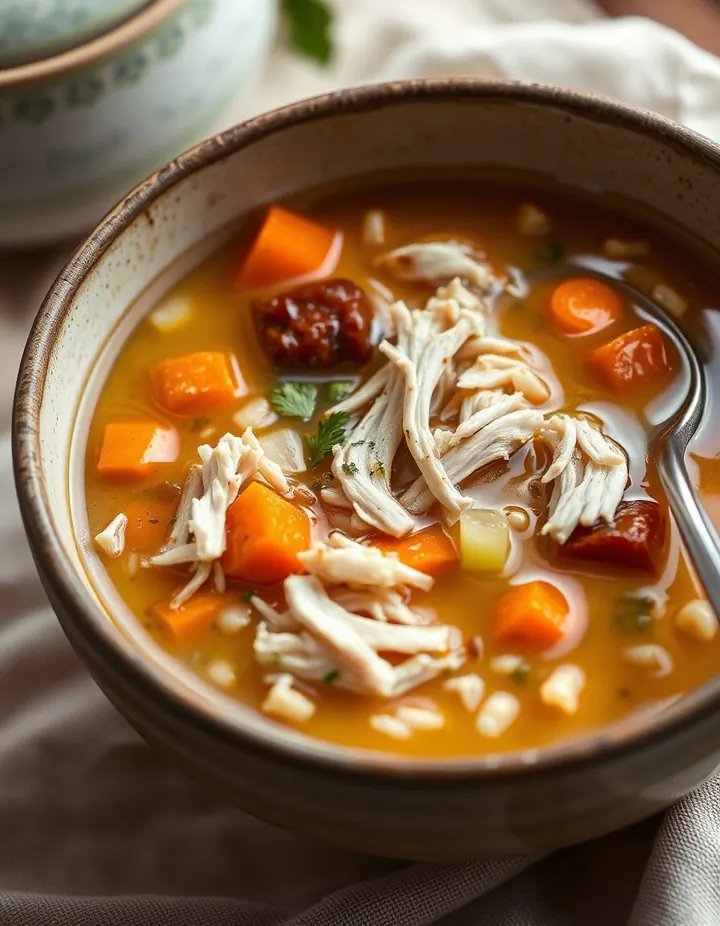 Turkey Soup71 recipes
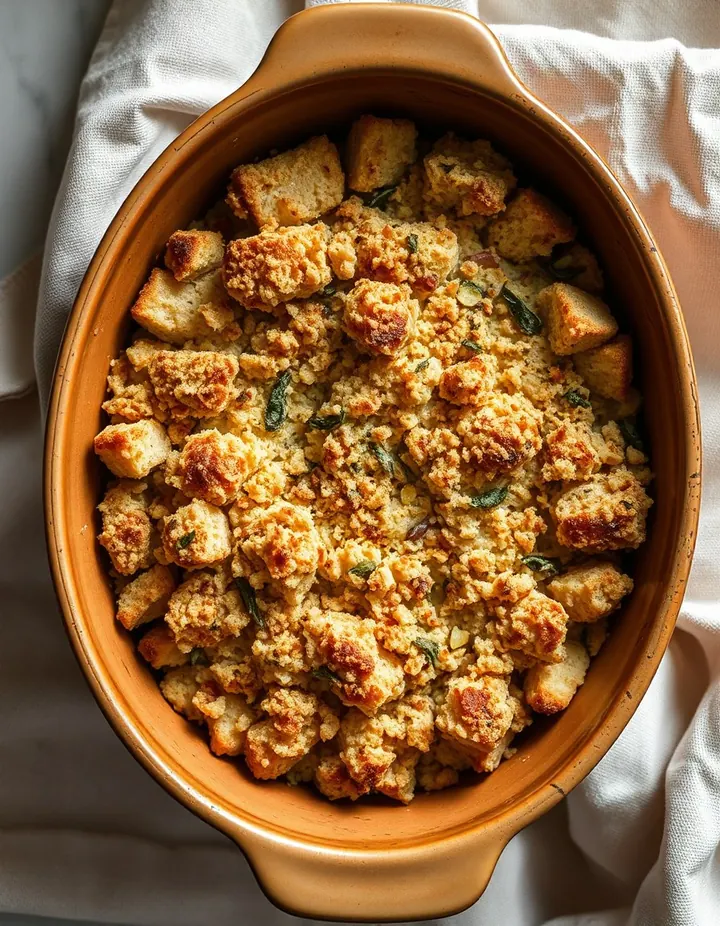 Turkey Stuffing26 recipes
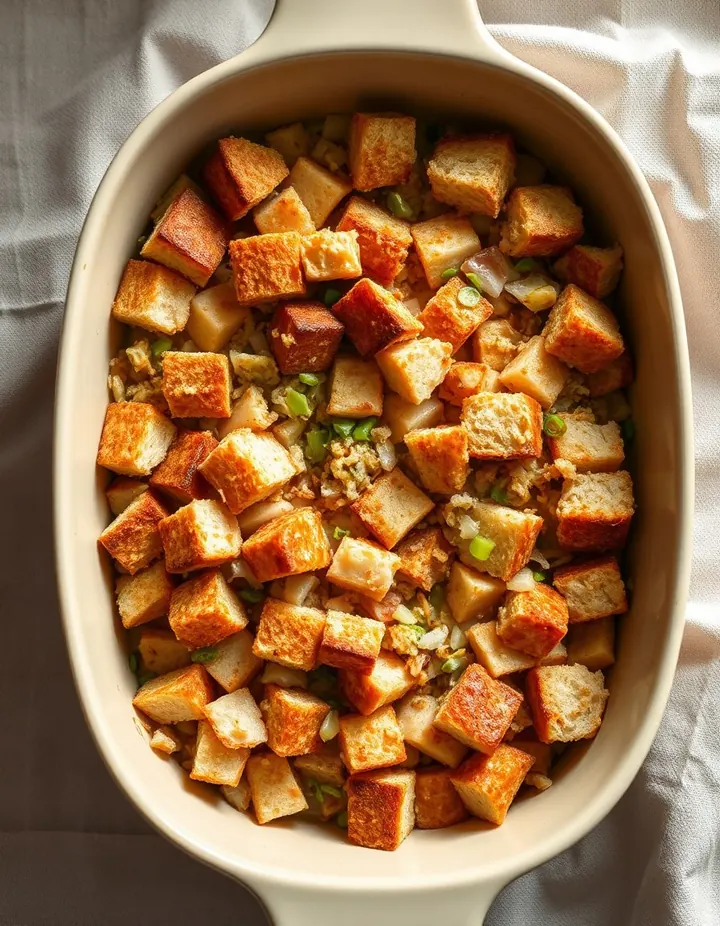 Turkey Dressing24 recipes
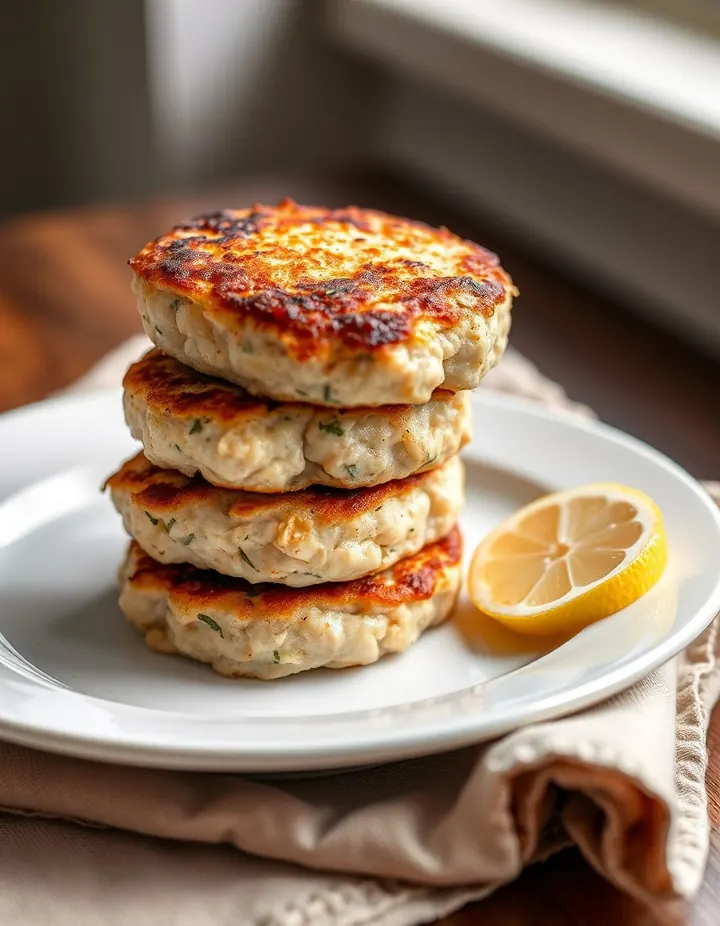 Turkey Patties12 recipes
The free Flavor Lab newsletter: one surprising pairing a week and the molecular reason it works, in 60 seconds. No spam, unsubscribe anytime.
Prefer an account? Create a free account to save pairings and unlock the full chemistry.