Why it works: Lemon and pepper match in chemistry and in kitchens. They rank in the top 3% of all ingredient pairs, and 27,047 recipes mention both. Both carry trans-2-nonenal, which smells cardboard, fatty. The science ↓
Oyster Patties
Ingredients
Directions
Scald the oysters in their own liquor, then remove the gills and cut them into quarters.
Simmer the liquor with the gills for a few minutes, then strain it.
Add cream, butter, lemon rind, lemon juice or white wine, salt, cayenne, and nutmeg to the strained liquor.
Simmer the mixture with the oysters for five minutes.
Fill the patties with the oyster mixture.
Transcribed from a scanned cookbook and modernised for today's kitchens. Where the book gave no heat or time, or said "a moderate oven", the temperatures and times here may be modern equivalents rather than the book's own figures.
Explore the science
The flavor team
The pairs that carry this dish. Each one is judged two ways: how much aroma chemistry they share, and how many recipes mention both.
-
Lemon + peppertop 3% of all pairsAroma overlapstrongMentioned together27,047 recipes
Shared aroma: trans-2-nonenal (cardboard, fatty).
-
Lemon + nutmegtop 5% of all pairsAroma overlapstrongMentioned together11,318 recipes
Shared aroma: beta-phellandrene (minty, terpene).
-
Pepper + nutmegtop 7% of all pairsAroma overlapstrongMentioned together13,015 recipes
Shared aroma: 4'-methylacetophenone (bitter almond).
-
Cream + buttertop 8% of all pairsAroma overlapmoderateMentioned together41,516 recipes
Shared aroma: delta-dodecalactone (sweet, creamy).
-
Flour + nutmegtop 8% of all pairsAroma overlapmoderateMentioned together18,623 recipes
Shared aroma: isobutyraldehyde (malty, green).
Ranks compare each pair with 20,000 random ingredient pairs on CompKitchen. How we score pairs
You might also like
 Lemon Sauce236 recipes
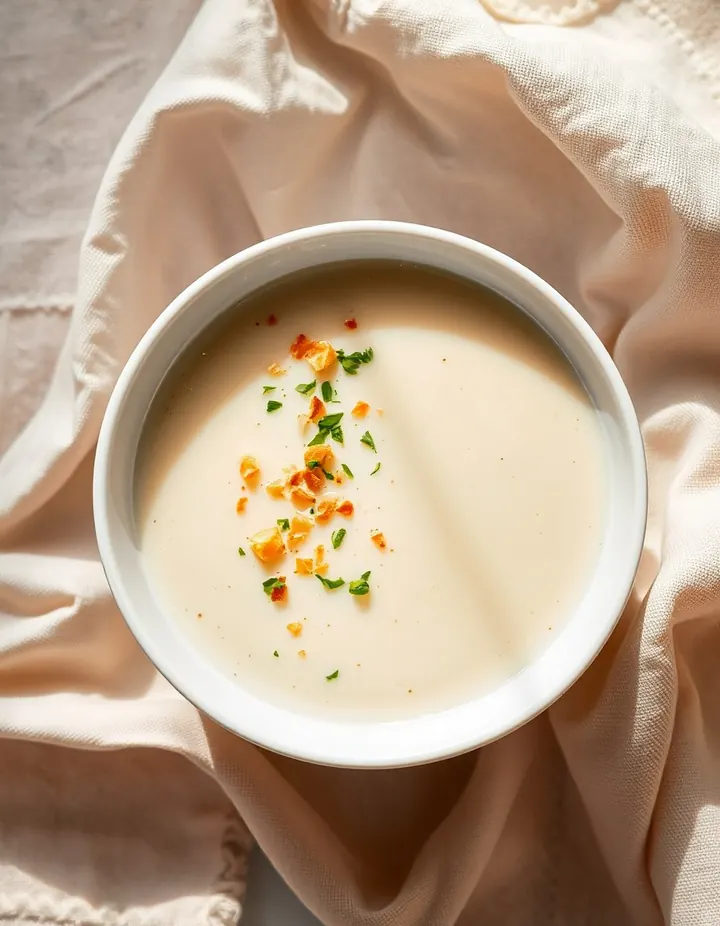 Mock Oyster Soup21 recipes
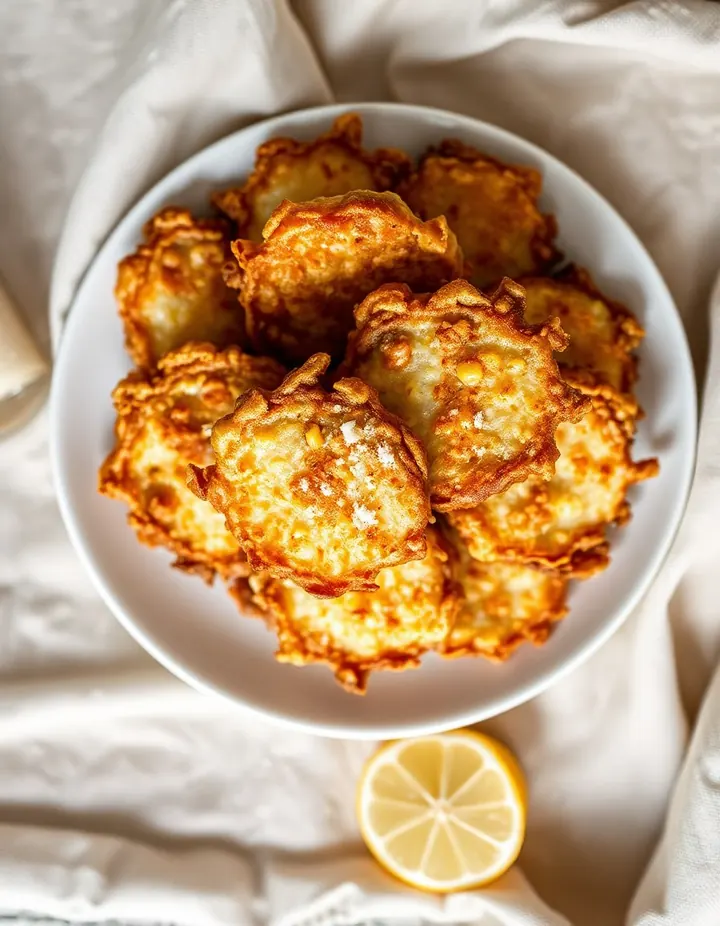 Corn Fritters6 recipes
 Tomato Soup526 recipes
The Sunday pairing: one pairing, the chemistry behind it, and how to cook it. No spam, unsubscribe anytime.
Prefer an account? Create a free account for sign-in; Pro adds the full results and chemistry.