Why it works: Flour and butter are a kitchen classic. They rank in the top 12% of all ingredient pairs, and cooks put them together in 124,287 recipes. Both carry isobutyraldehyde, which smells malty, green. The science ↓
Prune Pie
Ingredients
Directions
The book gives no oven temperature. The 400°F (200°C) in the steps was added when the recipe was transcribed, as a starting point.
Prepare the prunes
Wash prunes and soak them in cold water to cover.
Cook prunes in this water until soft, then remove stones and cut them into quarters.
Mix prunes with sugar and lemon juice.
Reduce the prune water to 14 tablespoons.
Make the puff paste
Rinse a large bowl with boiling water.
Fill the bowl with cold water.
Let the bowl cool.
Wash hands in cold water without drying them.
Wash the butter under cold water until soft.
Reserve 2 tablespoons of butter.
Chill the remaining butter.
Make a depression in the flour on a platter.
Add reserved butter, salt, sugar, and egg to the depression.
Work the mixture into a paste.
Add cold water slowly until a soft dough forms.
Knead until smooth and elastic.
Roll the dough into a rectangular sheet.
Cut chilled butter into small pieces and place on the lower half of the dough.
Dredge the dough with flour.
Fold the upper half of the dough over the lower half.
Press the edges together.
Roll the dough into a long sheet.
Fold the sides and ends to the center.
Turn the dough halfway.
Repeat rolling and folding six times.
Chill between rollings if necessary.
Chill the shaped dough thoroughly before baking.
Ensure the dough is ice-cold when placed in the oven.
Assemble and bake
Line a pie plate with pastry.
Fill the pastry with prunes.
Pour the prune liquid over the filling.
Dot the filling with butter.
Dredge the filling with flour.
Bake with an upper crust at 400°F (200°C).
Bake in a hot oven.
Reduce heat once the dough has puffed to prevent burning.
Transcribed from a scanned cookbook and modernised for today's kitchens. Where the book gave no heat or time, or said "a moderate oven", the temperatures and times here may be modern equivalents rather than the book's own figures.
Explore the science
The flavor team
The pairs that carry this dish. Each one is judged two ways: how much their aromas overlap, and how often cooks already put them together.
-
Flour + buttertop 12% of all pairsSmell alikelowCooked together124,287 recipes
Shared aroma: isobutyraldehyde (malty, green).
-
Flour + sugartop 15% of all pairsSmell alikemoderateCooked together92,116 recipes
Shared aroma: phenylacetaldehyde (hawthorne, honey).
-
Flour + eggtop 15% of all pairsSmell alikelowCooked together106,462 recipes
Shared aroma: isobutyraldehyde (malty, green).
-
Lemon + buttertop 16% of all pairsSmell alikemoderateCooked together41,227 recipes
Shared aroma: 3-hexenal (apple, fruity).
-
Flour + lemontop 17% of all pairsSmell alikemoderateCooked together30,404 recipes
Shared aroma: isobutyraldehyde (malty, green).
Flour and butter barely smell alike, yet cooks put them together in 124,287 recipes: they work on texture and structure more than aroma.
Ranks compare each pair with 20,000 random ingredient pairs on CompKitchen. How we score pairs
What each ingredient does
- Prunes
- Soften during cooking and provide the main fruit body and sweetness of the filling.
- Flour
- Forms the dough structure and, when dredged over the filling, thickens the prune juices.
- Butter
- Creates flaky layers in the puff paste as it melts and steams in the oven.
- Egg
- Enriches the dough, adding richness, binding and some structure to the paste.
- Sugar
- Adds sweetness that balances the tartness of the prunes and lemon juice.
- Lemon juice
- Adds acidity that brightens the sweet flavour of the prunes.
The step that matters
Keep the puff paste ice-cold before baking. Cold butter stays in solid pieces within the dough; in a hot oven its water turns to steam and pushes the layers apart, producing flakiness. If the butter softens and blends into the dough, the pastry becomes dense instead of flaky.
Swap the lemon
How well each one fits the dish's main ingredients (flour, sugar, butter, egg):
- Raisinfits better
- Vanillafits better
- Figfits about as well
- Lemonthe original
Fit is the average pairing score against flour, sugar, butter, egg. Candidates are from the same food group and used in at least 100 recipes.
“What each ingredient does” and “The step that matters” were written by Claude from this recipe’s own method and reviewed in samples by CompKitchen.
You might also like
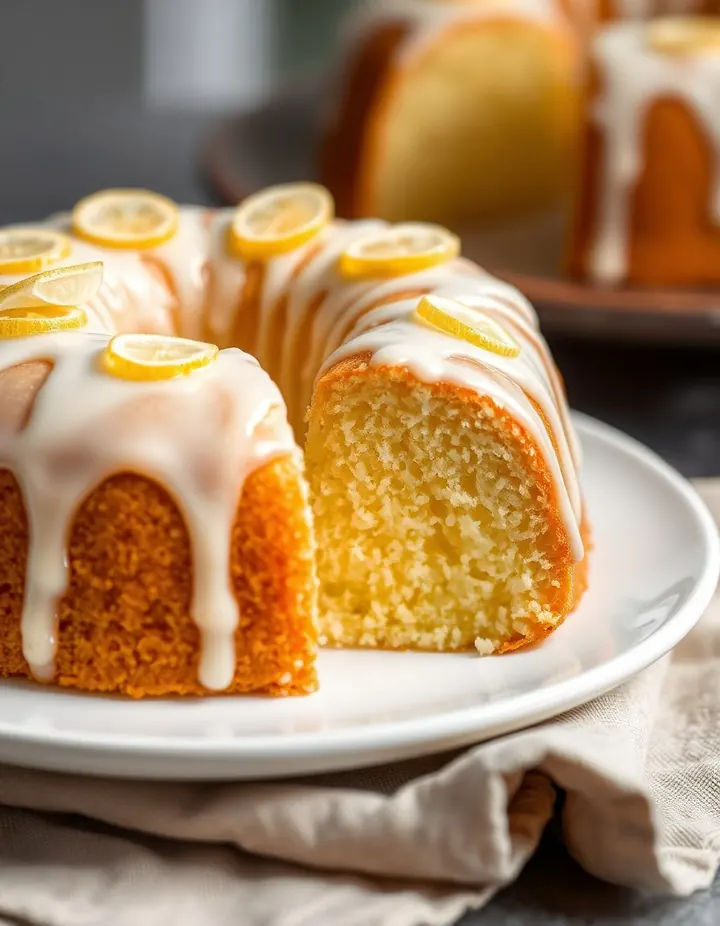 Lemon Cake228 recipes
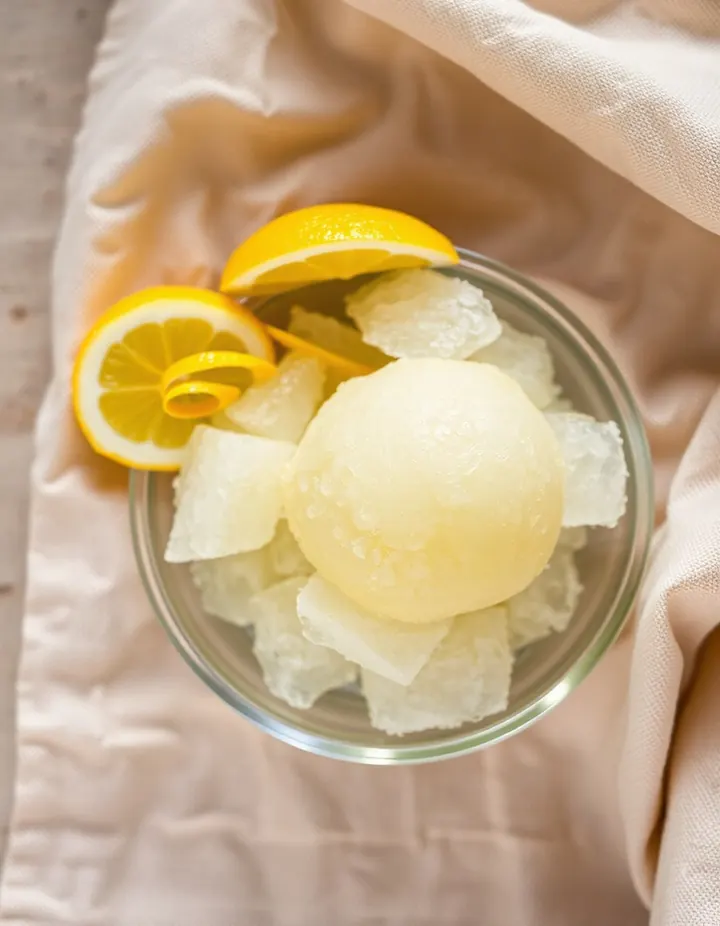 Lemon Ice147 recipes
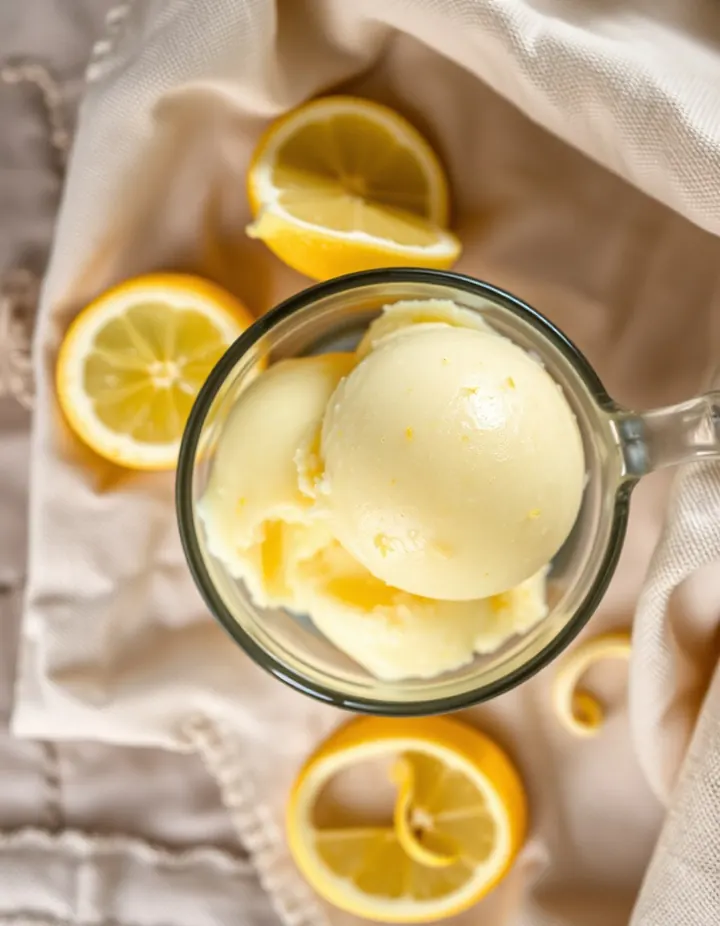 Lemon Sherbet103 recipes
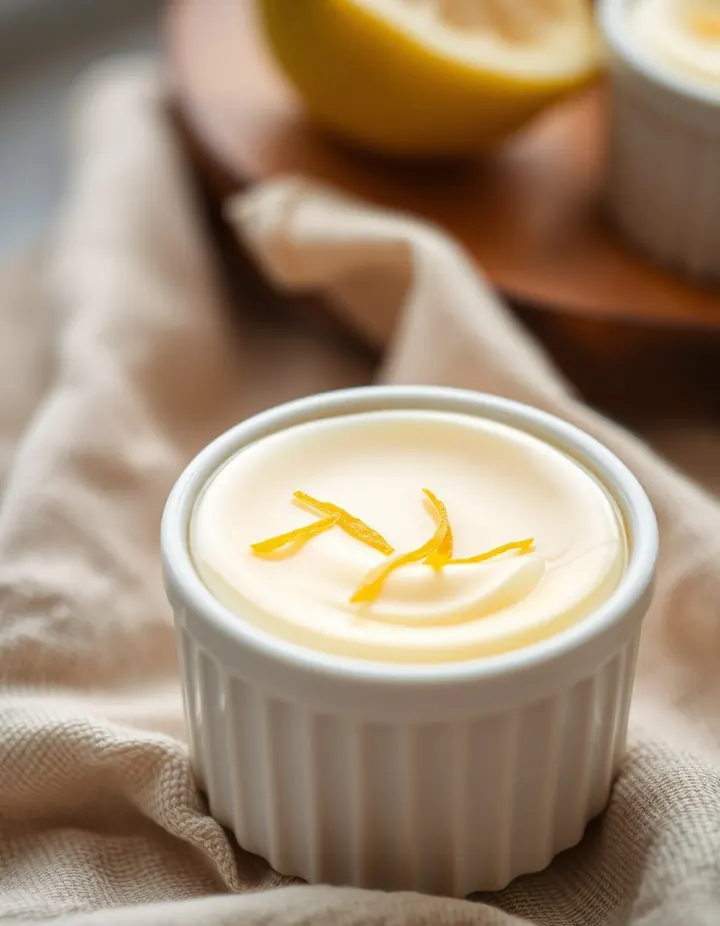 Lemon Custard64 recipes
The free Flavor Lab newsletter: one surprising pairing a week and the molecular reason it works, in 60 seconds. No spam, unsubscribe anytime.
Prefer an account? Create a free account to save pairings and unlock the full chemistry.