Why it works: Pepper and lemon match in chemistry and in kitchens. They rank in the top 3% of all ingredient pairs, and cooks put them together in 27,047 recipes. Both carry trans-2-nonenal, which smells cardboard, fatty. The science ↓
Lobster Rissoles
Ingredients
Directions
Infuse a slice of onion in 1 tablespoon of milk near the fire.
Remove the onion and add milk to make ½ cup with cream.
Beat the yolks of the eggs and stir into the cream, heating to boiling point.
Cut the lobster meat and mix with lemon juice and seasonings, then heat.
Combine the heated lobster mixture with the cream and eggs off the fire and let cool before shaping into rissoles.
Transcribed from a scanned cookbook and modernised for today's kitchens. Where the book gave no heat or time, or said "a moderate oven", the temperatures and times here may be modern equivalents rather than the book's own figures.
Explore the science
The flavor team
The pairs that carry this dish. Each one is judged two ways: how much their aromas overlap, and how often cooks already put them together.
-
Pepper + lemontop 3% of all pairsSmell alikestrongCooked together27,047 recipes
Shared aroma: trans-2-nonenal (cardboard, fatty).
-
Lobster + anchovytop 4% of all pairsSmell alikemoderateCooked together470 recipes
Shared aroma: octanal (fat, soap).
-
Lobster + creamtop 6% of all pairsSmell alikemoderateCooked together1,050 recipes
Shared aroma: 1-octen-3-one (mushroom, metallic).
-
Anchovy + eggtop 12% of all pairsSmell alikemoderateCooked together2,330 recipes
Shared aroma: decanal (soap, orange peel).
-
Meat + anchovytop 13% of all pairsSmell alikemoderateCooked together335 recipes
Shared aroma: 1-octen-3-ol (mushroom, earthy).
Ranks compare each pair with 20,000 random ingredient pairs on CompKitchen. How we score pairs
You might also like
 Lemon Sauce236 recipes
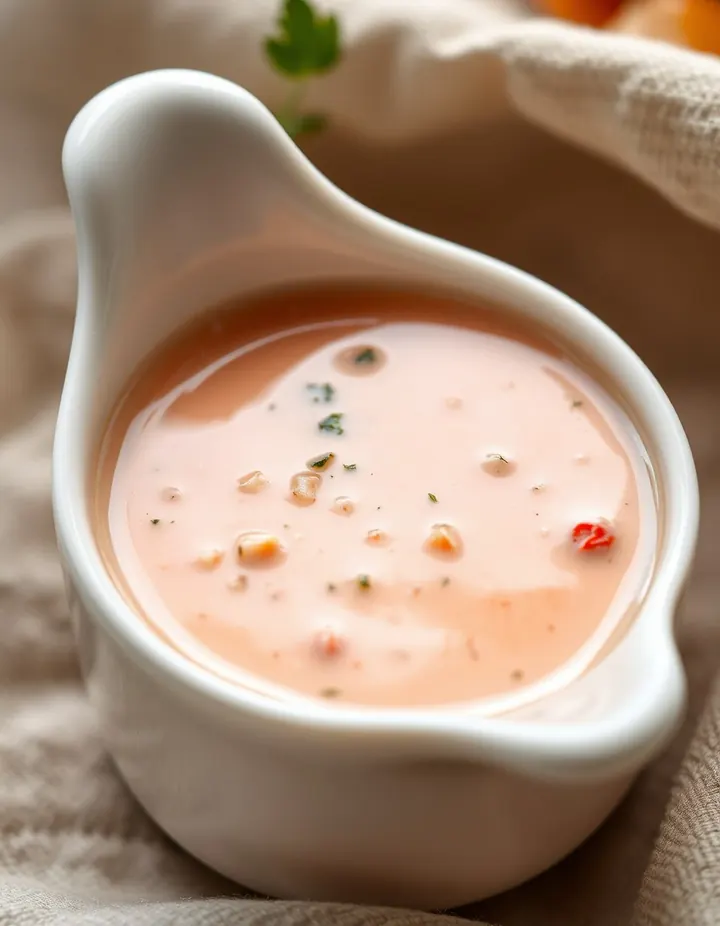 Lobster Sauce174 recipes
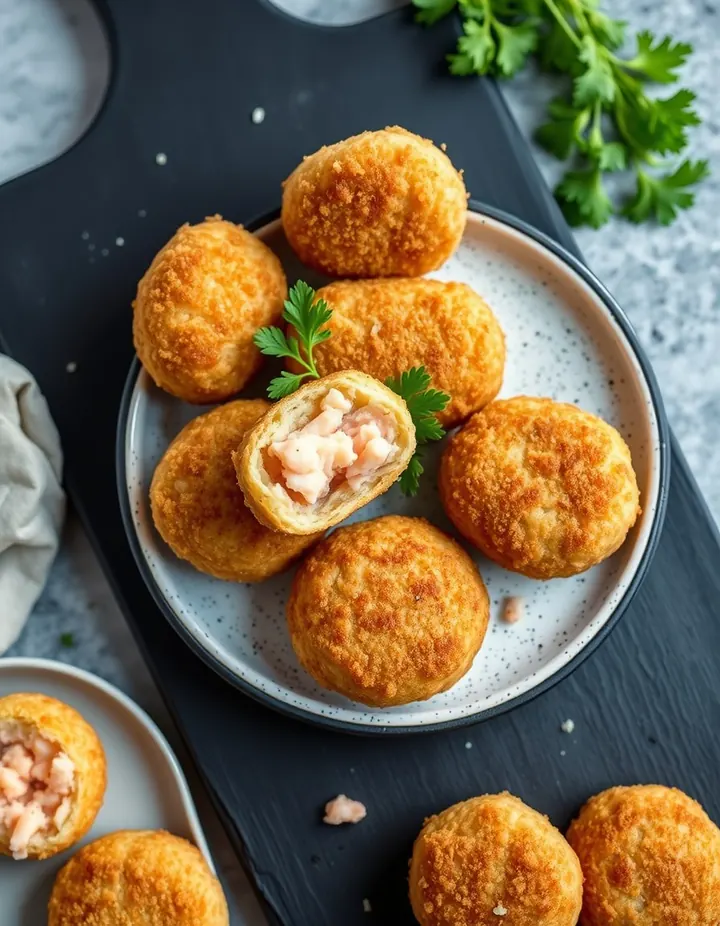 Lobster Croquettes99 recipes
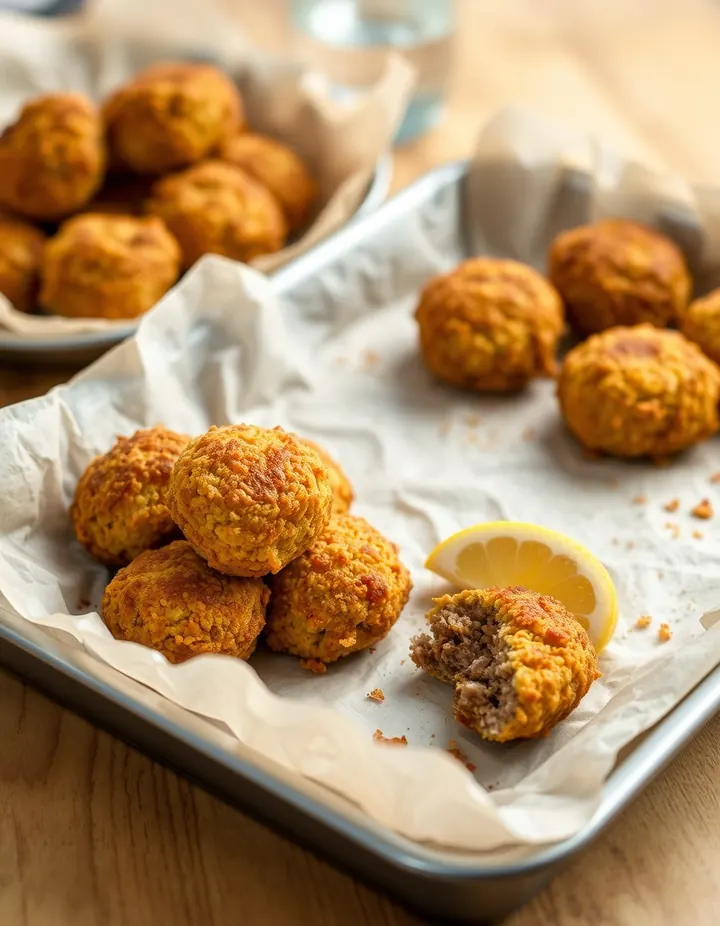 Meat Croquettes52 recipes
The free Flavor Lab newsletter: one surprising pairing a week and the molecular reason it works, in 60 seconds. No spam, unsubscribe anytime.
Prefer an account? Create a free account to save pairings and unlock the full chemistry.