Why it works: Grape and sugar are a kitchen classic. They rank in the top 23% of all ingredient pairs, and cooks put them together in 7,490 recipes. Both carry beta-damascenone, which smells apple, rose. The science ↓
Wild Grape Jelly
Ingredients
Directions
The book gives no oven temperature. The 400°F (200°C) in the steps was added when the recipe was transcribed, as a starting point.
Prepare the juice
Strip the fruit from the stem and wash it.
Place the grapes in a pan or jar set in a larger vessel of hot water.
Cook until the grapes are broken, then strain the juice.
Measure the juice and for every pint, add a pound of sugar.
Cook the jelly
Heat the juice over the fire and place the sugar in shallow pans in a 400°F (200°C) oven.
Cook the juice for twenty minutes, skimming impurities.
Add the sugar and stir until dissolved.
Cook a moment longer until the liquid jells when dropped on a cold plate.
Pour into jelly glasses and cover when cold.
Transcribed from a scanned cookbook and modernised for today's kitchens. Where the book gave no heat or time, or said "a moderate oven", the temperatures and times here may be modern equivalents rather than the book's own figures.
Explore the science
The flavor team
The pairs that carry this dish. Each one is judged two ways: how much their aromas overlap, and how often cooks already put them together.
-
Grape + sugartop 23% of all pairsSmell alikelowCooked together7,490 recipes
Shared aroma: beta-damascenone (apple, rose).
Ranks compare each pair with 20,000 random ingredient pairs on CompKitchen. How we score pairs
What each ingredient does
- Wild grapes
- Provide the fruit juice and natural pectin that allow the liquid to set into jelly.
- Sugar
- Sweetens the jelly and helps it set by binding water and thickening the juice.
The step that matters
Cooking until the jelly sets. Jelly sets when enough sugar and pectin are concentrated by boiling off water. Stopping too early leaves it runny, while cooking too long can make it stiff or sugary. The cold-plate test shows when it is ready.
“What each ingredient does” and “The step that matters” were written by Claude from this recipe’s own method and reviewed in samples by CompKitchen.
You might also like
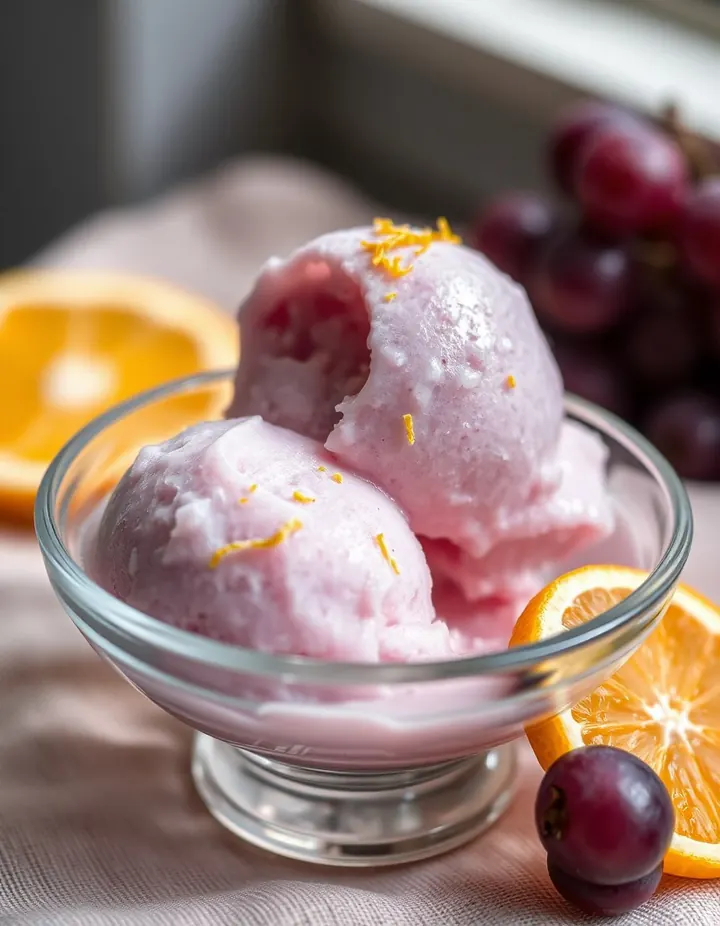 Grape Sherbet32 recipes
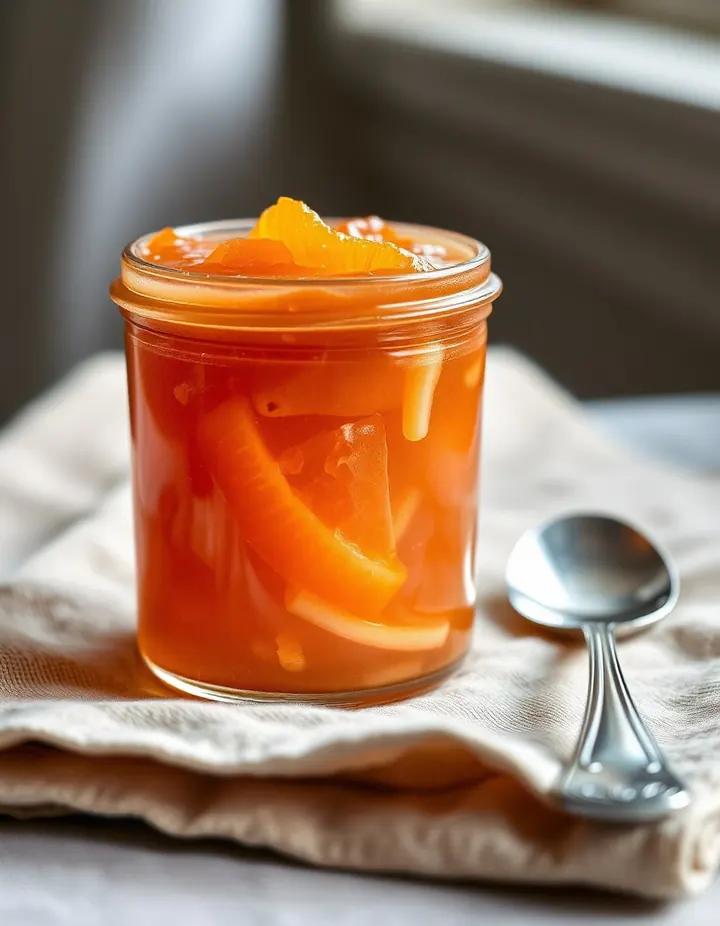 Grapefruit Marmalade16 recipes
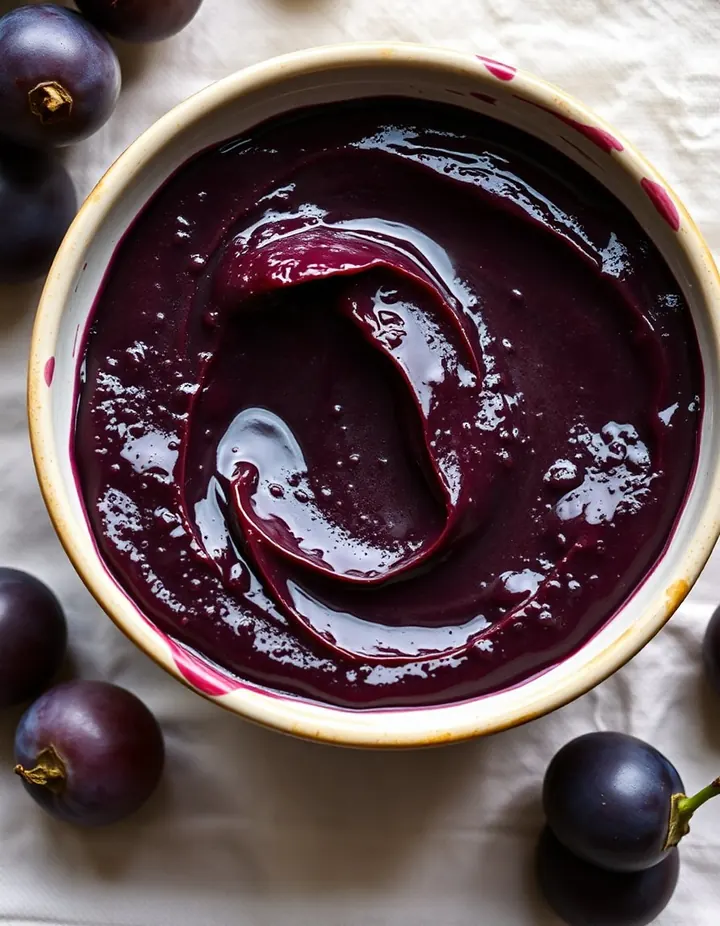 Grape Butter9 recipes
 White Cake431 recipes
The free Flavor Lab newsletter: one surprising pairing a week and the molecular reason it works, in 60 seconds. No spam, unsubscribe anytime.
Prefer an account? Create a free account to save pairings and unlock the full chemistry.