Why it works: Raisin and flour match in chemistry and in kitchens. They rank in the top 1% of all ingredient pairs, and cooks put them together in 9,075 recipes. Both carry isobutyraldehyde, which smells malty, green. The science ↓
Amherst Pudding
Ingredients
Directions
Prepare the batter
Mix suet, molasses, milk, citron, raisins, currants, and spices together.
Dissolve baking soda in a few drops of boiling water and add to the mixture.
Sift flour with baking powder and add it to the mixture, beating until very light.
Steam
Grease a mold or tin kettle and fill it no more than two-thirds full with the mixture.
Fasten the cover on firmly and place the mold in a large pot of boiling water.
Boil without interruption for 4.5 to 5 hours.
Alternatively, tie the mixture in a well-floured bag and boil for about 4 hours.
Serve
Serve with Hard Sauce or molasses.
If leftovers remain, slice and fry in hot butter for lunch.
Transcribed from a scanned cookbook and modernised for today's kitchens. Where the book gave no heat or time, or said "a moderate oven", the temperatures and times here may be modern equivalents rather than the book's own figures.
Explore the science
The flavor team
The pairs that carry this dish. Each one is judged two ways: how much their aromas overlap, and how often cooks already put them together.
-
Raisin + flourtop 1% of all pairsSmell alikestrongCooked together9,075 recipes
Shared aroma: isobutyraldehyde (malty, green).
-
Raisin + curranttop 10% of all pairsSmell alikelowCooked together6,180 recipes
Shared aroma: gamma-nonanolactone (coconut, creamy).
-
Molasses + raisintop 12% of all pairsSmell alikelowCooked together3,577 recipes
Shared aroma: ethanol (alcoholic, ethereal).
-
Milk + flourtop 14% of all pairsSmell alikelowCooked together78,219 recipes
Shared aroma: isobutyraldehyde (malty, green).
-
Milk + raisintop 15% of all pairsSmell alikemoderateCooked together7,155 recipes
Shared aroma: decanoic acid (acides aroma).
Milk and flour barely smell alike, yet cooks put them together in 78,219 recipes: they work on texture and structure more than aroma.
Ranks compare each pair with 20,000 random ingredient pairs on CompKitchen. How we score pairs
What each ingredient does
- Suet
- Adds richness and fat that keeps the pudding moist during long steaming.
- Molasses
- Adds dark colour, sweetness and a deep, rich flavour.
- Flour
- Forms the structure that holds the pudding together as it steams.
- Baking soda
- Reacts with the molasses to produce gas that helps the pudding rise and lighten.
- Baking powder
- Produces additional gas for lift, giving the pudding a light texture.
- Raisins
- Add chewy sweetness and concentrated fruit flavour throughout the pudding.
The step that matters
Keep the mold two-thirds full and boil without interruption. The batter rises as it steams, so overfilling can cause it to overflow or cook unevenly. Steady boiling keeps the water temperature constant, so the pudding cooks through evenly over the long steaming time.
Swap the currant
How well each one fits the dish's main ingredients (molasses, milk, raisin, flour):
- Figfits better
- Vanillafits better
- Datesfits better
- Currantthe original
Fit is the average pairing score against molasses, milk, raisin, flour. Candidates are from the same food group and used in at least 100 recipes.
“What each ingredient does” and “The step that matters” were written by Claude from this recipe’s own method and reviewed in samples by CompKitchen.
You might also like
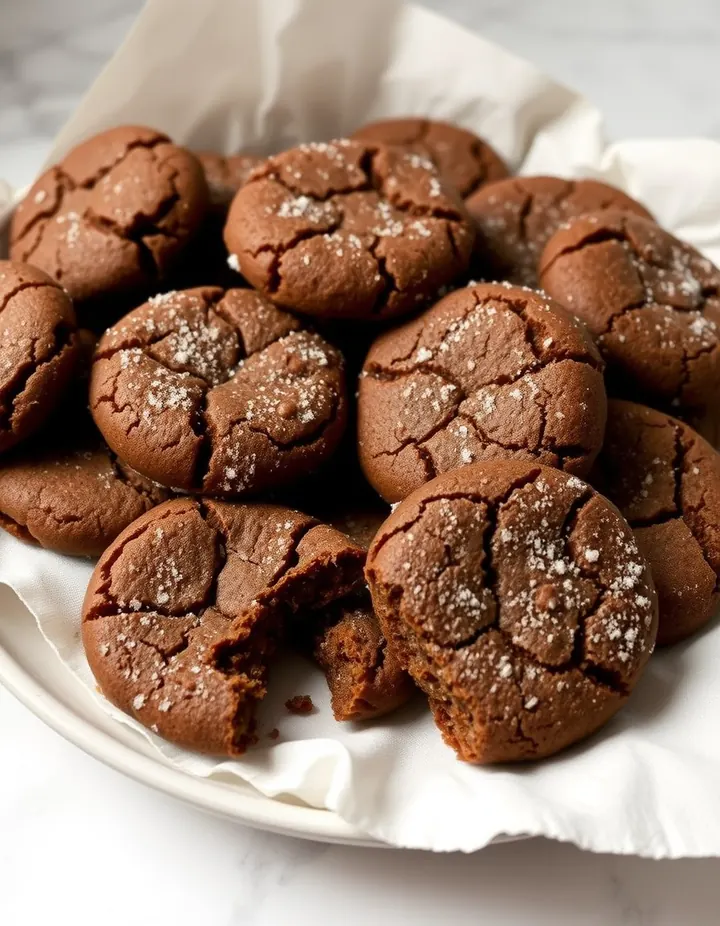 Molasses Cookies96 recipes
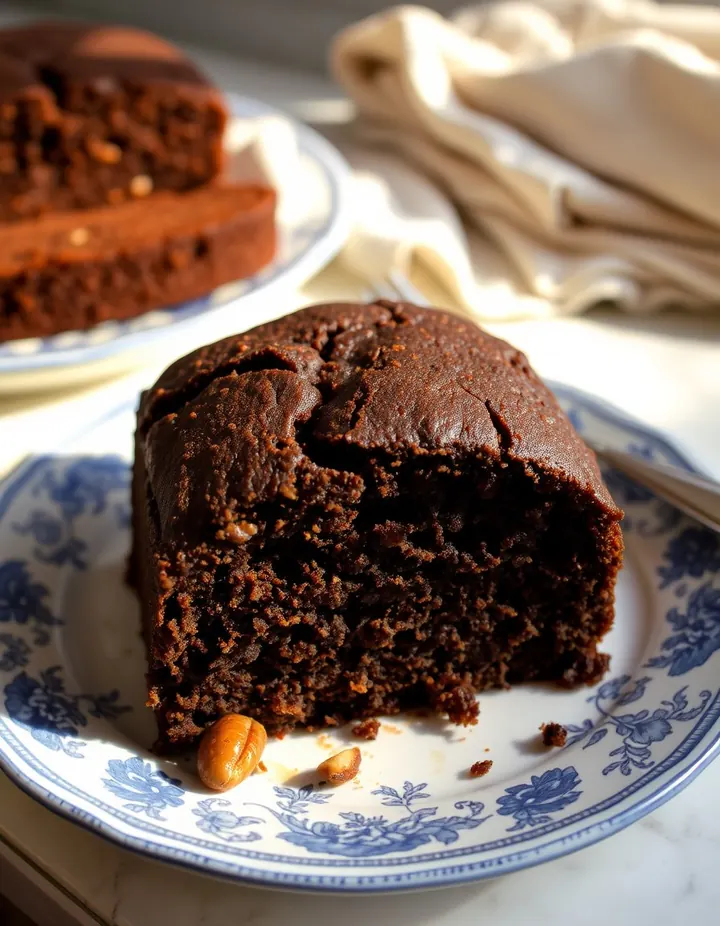 Molasses Cake90 recipes
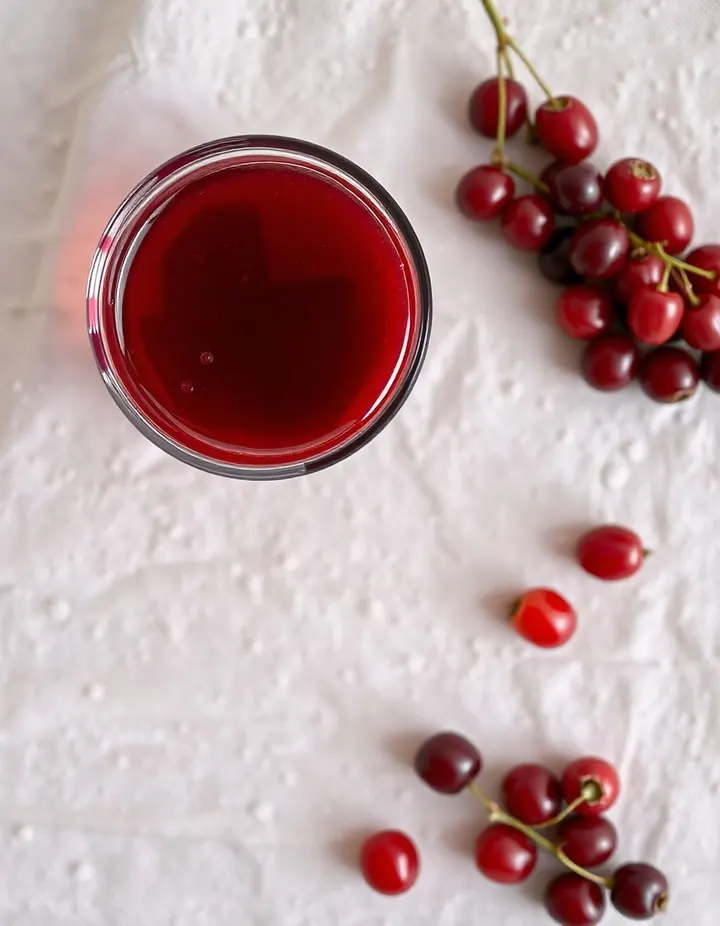 Red Currant Jelly65 recipes
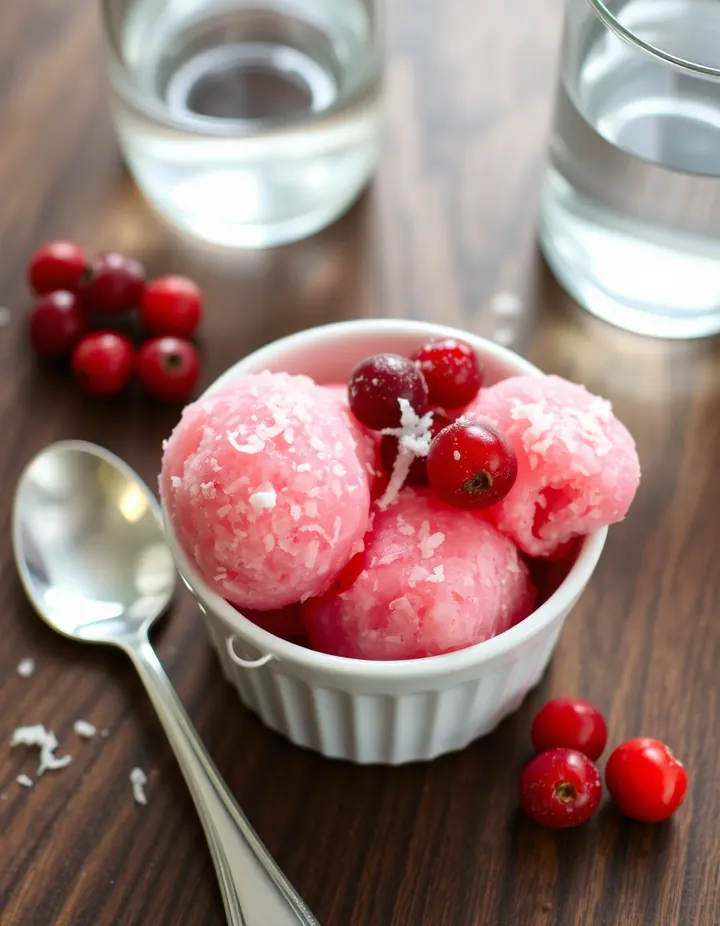 Currant Ice Cream32 recipes
The free Flavor Lab newsletter: one surprising pairing a week and the molecular reason it works, in 60 seconds. No spam, unsubscribe anytime.
Prefer an account? Create a free account to save pairings and unlock the full chemistry.