Why it works: Turkey and butter are a kitchen classic. They rank in the top 13% of all ingredient pairs, and cooks put them together in 1,592 recipes. Both carry trans-2-decenal, which smells waxy, orange. The science ↓
To Preserve Turkeys and Chickens
Ingredients
Directions
Prepare
Cut the cleaned turkeys or chickens into pieces as for fricassee.
Heat a frying pan and add drippings or butter.
Sear the pieces on all sides in the hot frying pan.
Transfer the seared pieces into an earthenware crock.
Seal and store
Melt lard or clarified drippings and pour it into the crock until the meat is completely covered.
Allow the crock to cool; this seals the meat from air.
Store in a cool place for weeks, but do not freeze.
When ready to use, remove the required amount, scrape off the fat, and prepare as desired.
Transcribed from a scanned cookbook and modernised for today's kitchens. Where the book gave no heat or time, or said "a moderate oven", the temperatures and times here may be modern equivalents rather than the book's own figures.
Explore the science
The flavor team
The pairs that carry this dish. Each one is judged two ways: how much their aromas overlap, and how often cooks already put them together.
-
Turkey + buttertop 13% of all pairsSmell alikemoderateCooked together1,592 recipes
Shared aroma: trans-2-decenal (waxy, orange).
Ranks compare each pair with 20,000 random ingredient pairs on CompKitchen. How we score pairs
What each ingredient does
- Turkeys or chickens
- Forms the meat that is preserved and later cooked.
- Lard or clarified drippings
- Covers the meat and forms a fat layer that keeps air away from it.
The step that matters
Covering the meat completely with melted fat. Fat must fully cover the meat with no gaps, because exposed meat can spoil and fat acts as a barrier against air and microbes. Allowing it to cool and set makes that seal firm.
“What each ingredient does” and “The step that matters” were written by Claude from this recipe’s own method and reviewed in samples by CompKitchen.
You might also like
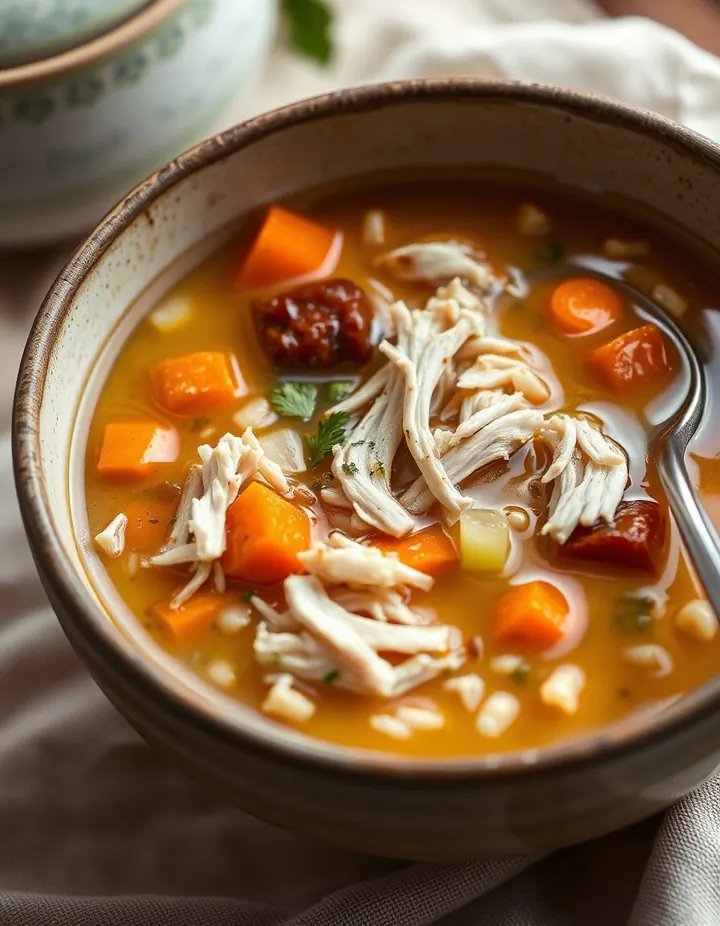 Turkey Soup71 recipes
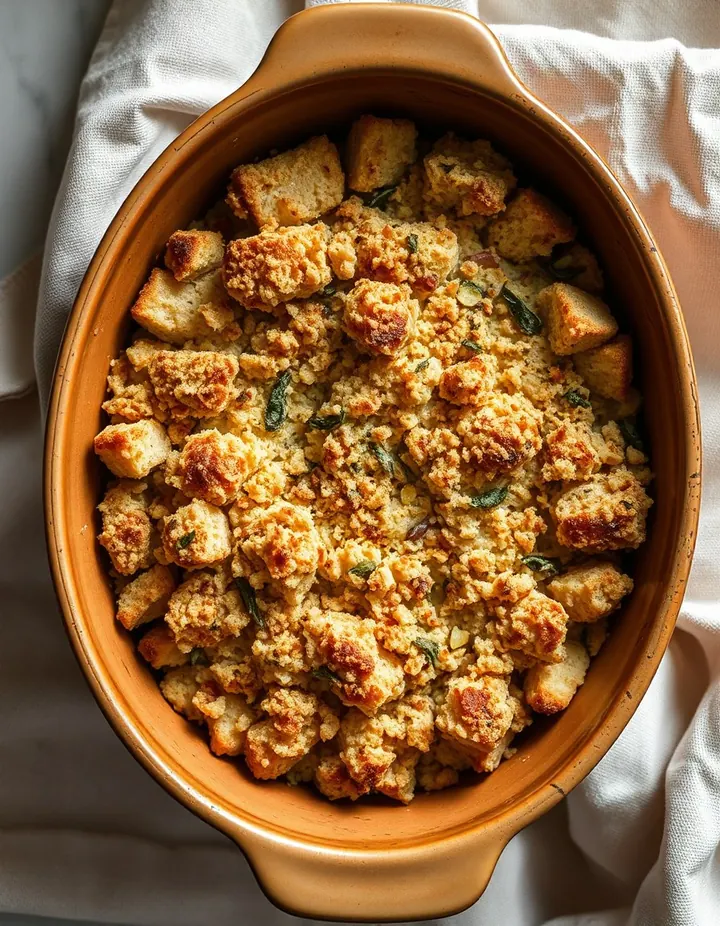 Turkey Stuffing26 recipes
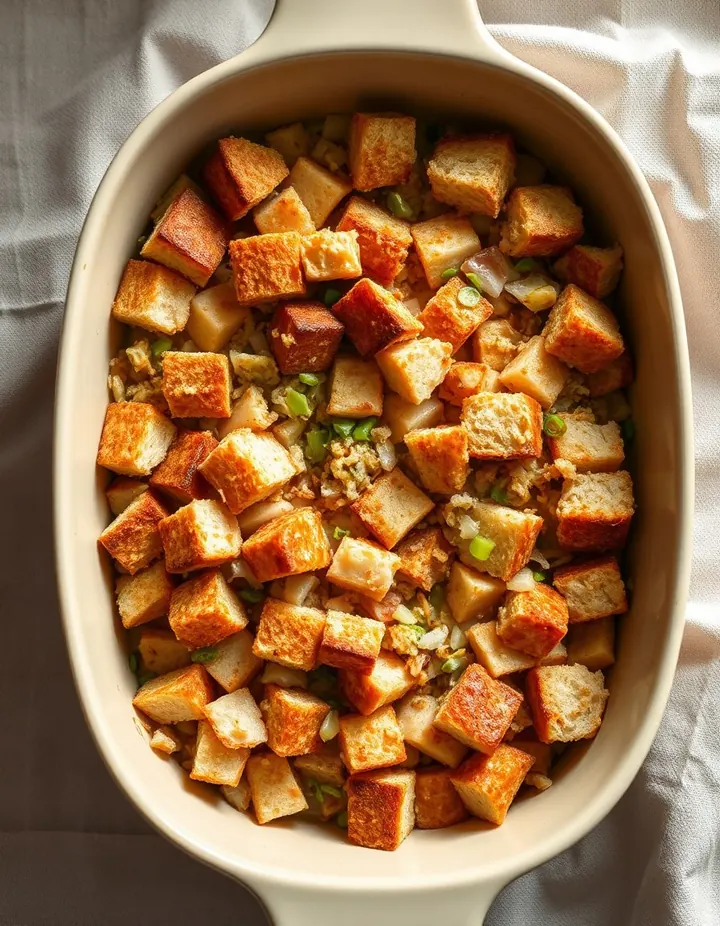 Turkey Dressing24 recipes
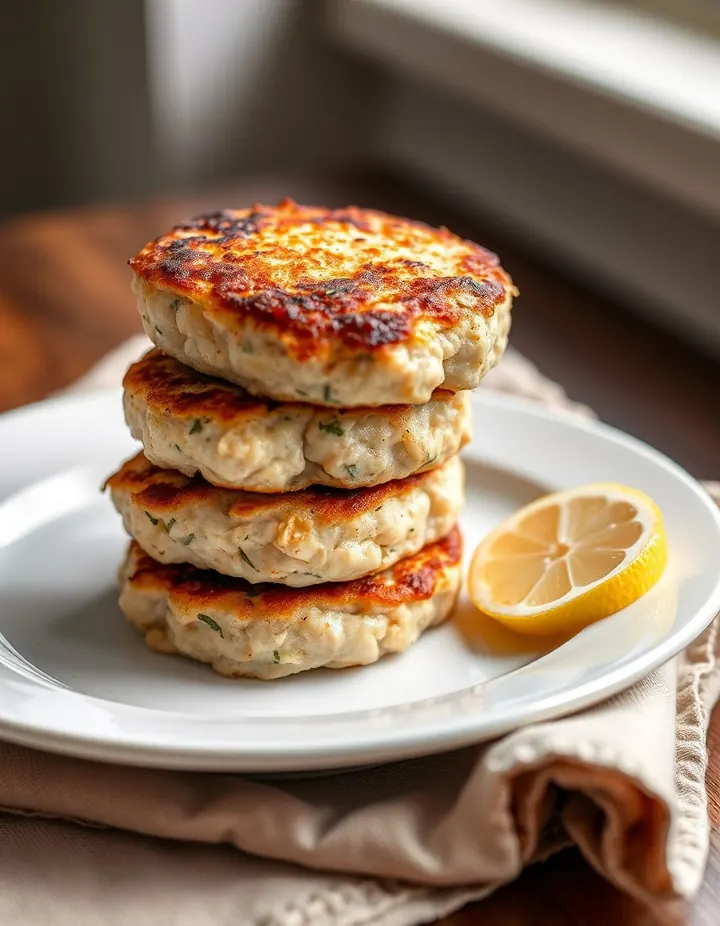 Turkey Patties12 recipes
The free Flavor Lab newsletter: one surprising pairing a week and the molecular reason it works, in 60 seconds. No spam, unsubscribe anytime.
Prefer an account? Create a free account to save pairings and unlock the full chemistry.