Why it works: Almond and lemon match in chemistry and in kitchens. They rank in the top 10% of all ingredient pairs, and cooks put them together in 5,655 recipes. Both carry eucalyptol, which smells eucalyptus, herbal. The science ↓
Almond Paste
Ingredients
Directions
The book says “a very slow oven”. The 300°F in the steps is the modern equivalent, not the book's own figure.
Prepare the almonds
Blanch and pick the almonds, soaking them in spring water for two days, changing the water occasionally.
Drain the almonds, dry them with a clean cloth, and pound them in a mortar for 3-4 hours until they form a paste.
If the paste becomes oily, add a little lemon juice or egg white.
Make the paste
In a sugar pan, heat the refined sugar until it reaches a pearl boiling stage, then add the almond paste and stir continuously.
Pound the mixture again for a few minutes, adding a little spring water if it appears oily.
Sift powdered sugar onto a sheet of writing paper, roll up the paste in it, and let it sit for a few days.
Shape and bake
Before using, work the paste in the mortar briefly, then roll it out thinly on a sheet of writing paper on a slab.
Cut the paste into desired shapes, using powdered sugar to prevent sticking.
Use beaten egg white mixed with powdered sugar to stick the pieces together.
Bake in a slow oven (300°F or 150°C).
Transcribed from a scanned cookbook and modernised for today's kitchens. Where the book gave no heat or time, or said "a moderate oven", the temperatures and times here may be modern equivalents rather than the book's own figures.
Explore the science
The flavor team
The pairs that carry this dish. Each one is judged two ways: how much their aromas overlap, and how often cooks already put them together.
-
Almond + lemontop 10% of all pairsSmell alikestrongCooked together5,655 recipes
Shared aroma: eucalyptol (eucalyptus, herbal).
-
Almond + sugartop 18% of all pairsSmell alikemoderateCooked together15,679 recipes
Shared aroma: 1-penten-3-one (fish, pungent).
-
Sugar + lemontop 18% of all pairsSmell alikelowCooked together53,532 recipes
Shared aroma: 2-nonenal (fatty, green).
-
Lemon + eggtop 19% of all pairsSmell alikelowCooked together44,316 recipes
Shared aroma: (e,e)-2,4-decadienal (fatty, deep fried).
-
Sugar + eggtop 21% of all pairsSmell alikemoderateCooked together122,807 recipes
Shared aroma: 2-nonenal (fatty, green).
Sugar and lemon barely smell alike, yet cooks put them together in 53,532 recipes: they work on texture and structure more than aroma.
Ranks compare each pair with 20,000 random ingredient pairs on CompKitchen. How we score pairs
What each ingredient does
- Almonds
- Form the paste base and supply the main flavour and body of the confection.
- Refined sugar
- Sweetens the paste and, once heated, helps bind and set it into a firm mass.
- Egg white
- Adds binding and moisture to smooth an oily paste and glue pieces together.
- Lemon juice
- Adds a little acidity that helps correct an oily paste during pounding.
The step that matters
Heating the sugar to pearl boiling stage. Sugar cooked to the pearl stage has enough concentration to bind the almonds into a firm, workable paste. Undercooked sugar leaves it soft and sticky, while overcooked sugar turns hard and brittle as it cools.
Swap the almond
How well each one fits the dish's main ingredients (sugar, lemon, egg):
- Pistachiofits about as well
- Milletfits about as well
- Almondthe original
- Chickpeafits about as well
Fit is the average pairing score against sugar, lemon, egg. Candidates are from the same food group and used in at least 100 recipes.
“What each ingredient does” and “The step that matters” were written by Claude from this recipe’s own method and reviewed in samples by CompKitchen.
More almond paste recipes
You might also like
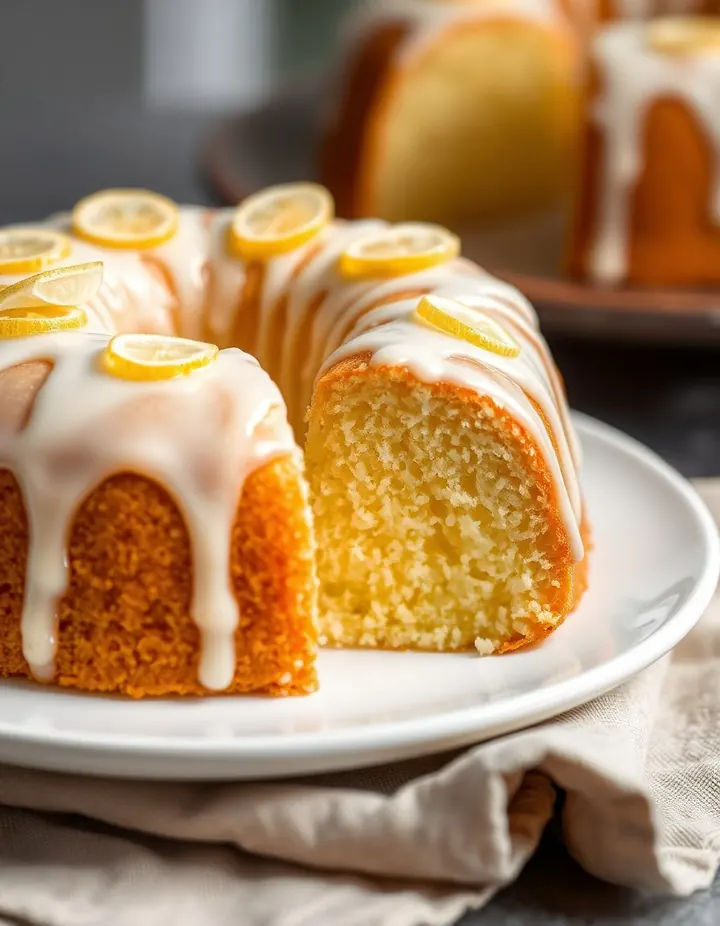 Lemon Cake228 recipes
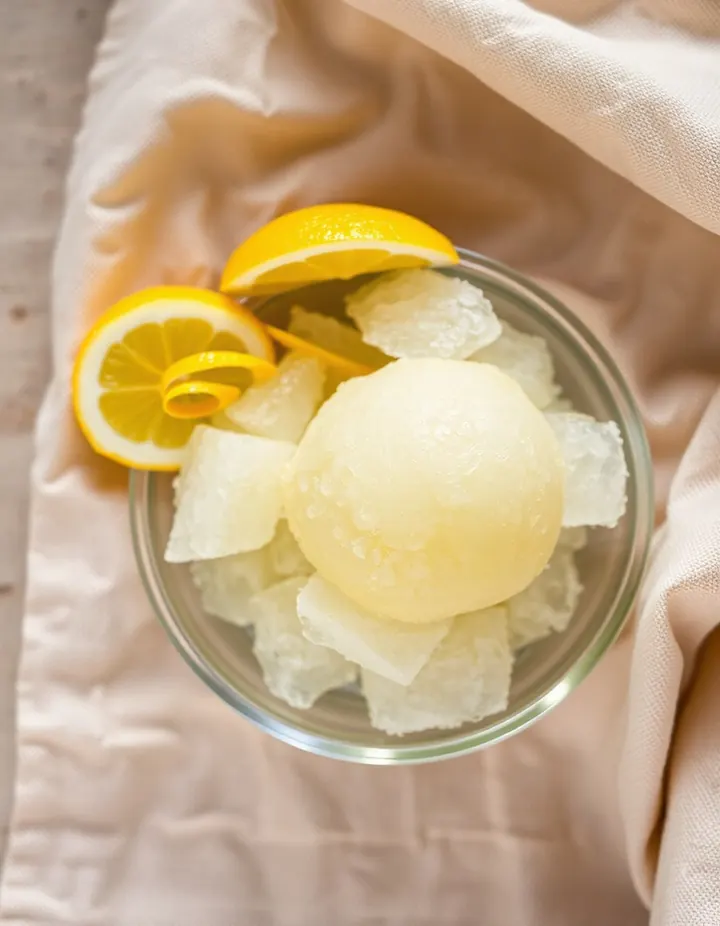 Lemon Ice147 recipes
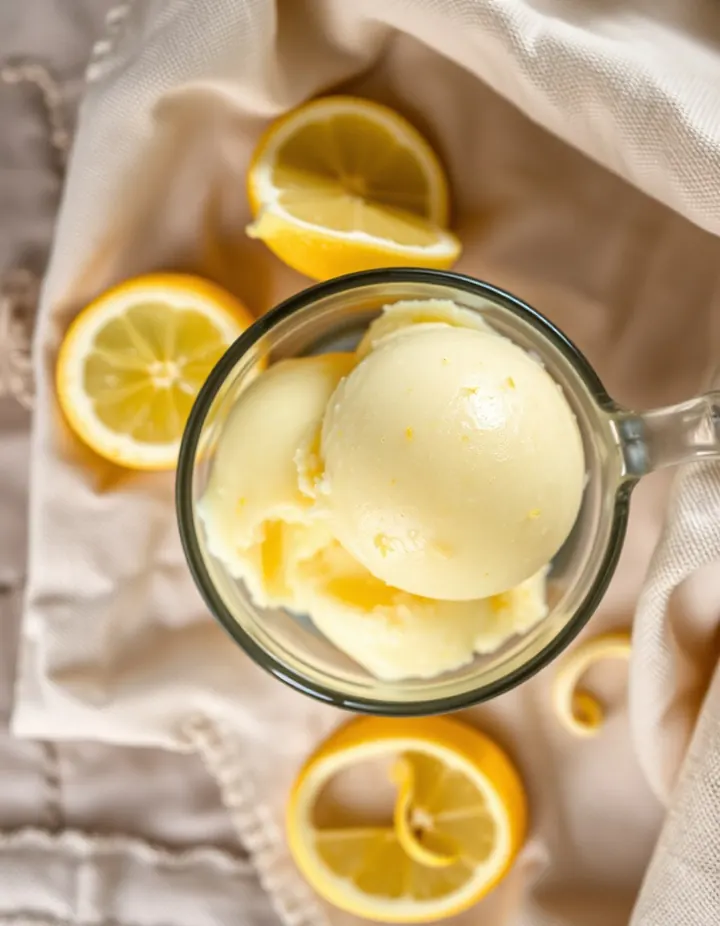 Lemon Sherbet103 recipes
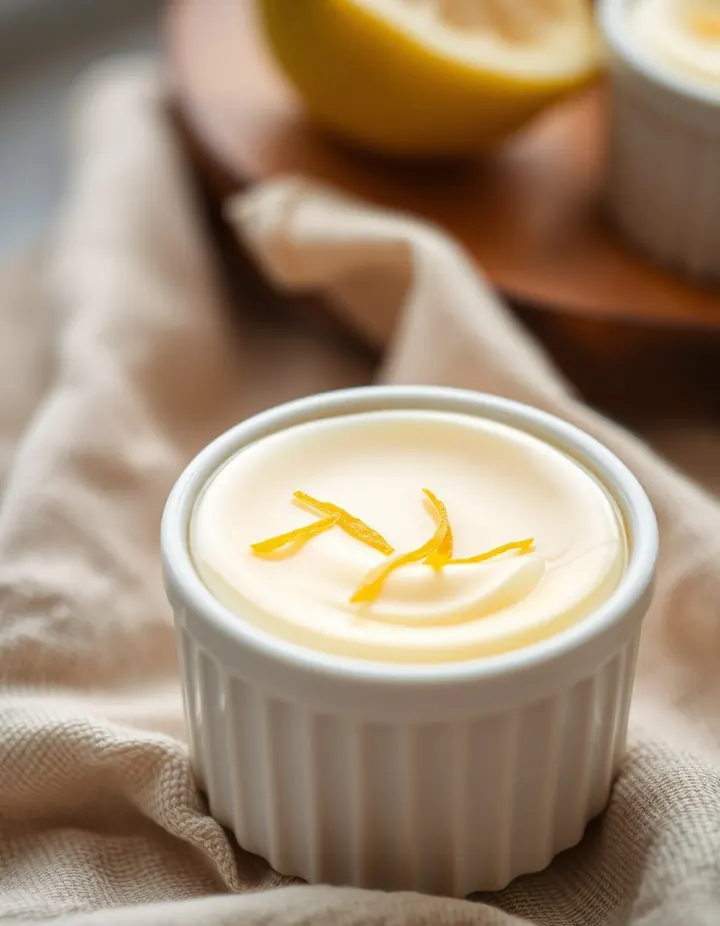 Lemon Custard64 recipes
The free Flavor Lab newsletter: one surprising pairing a week and the molecular reason it works, in 60 seconds. No spam, unsubscribe anytime.
Prefer an account? Create a free account to save pairings and unlock the full chemistry.