Why it works: Apricot and ginger work together. They rank in the top 8% of all ingredient pairs, and cooks put them together in 341 recipes. Both carry decanal, which smells soap, orange peel. The science ↓
Green Apricots
Ingredients
Directions
Prepare the apricots
Select green apricots before the stone hardens.
Rub the apricots with coarse sea salt to remove the down.
Place them in a stone jar with salt and water in a warm place for 24 hours until they turn yellow.
Drain the liquid.
Green the apricots
Heat them over moderate heat with more salt and water, covered with vine or cabbage leaves, until they turn green.
If they are slow to green, change the salt, water, and leaves.
Once green, dry the apricots.
Place the dried apricots in jars.
Pickle and seal
Boil distilled vinegar with a small piece of mace and ginger.
Pour the hot vinegar over the apricots.
Repeat this process for five or six days, adding two or three capsicums.
When cool, cover the jars with a bladder.
Transcribed from a scanned cookbook and modernised for today's kitchens. Where the book gave no heat or time, or said "a moderate oven", the temperatures and times here may be modern equivalents rather than the book's own figures.
Explore the science
The flavor team
The pairs that carry this dish. Each one is judged two ways: how much their aromas overlap, and how often cooks already put them together.
-
Apricot + gingertop 8% of all pairsSmell alikemoderateCooked together341 recipes
Shared aroma: decanal (soap, orange peel).
-
Ginger + capsicumtop 8% of all pairsSmell alikemoderateCooked together3,890 recipes
Shared aroma: 2-isopropyl-3-methoxypyrazine (earthy, pea).
-
Apricot + capsicumtop 10% of all pairsSmell alikestrongCooked together139 recipes
Shared aroma: ethyl isobutyrate (fruity, ethereal).
-
Vinegar + capsicumtop 11% of all pairsSmell alikemoderateCooked together10,160 recipes
Shared aroma: 4'-methylacetophenone (bitter almond).
-
Mace + gingertop 11% of all pairsSmell alikelowCooked together2,152 recipes
Shared aroma: alpha-pinene (pine, turpentine).
Ranks compare each pair with 20,000 random ingredient pairs on CompKitchen. How we score pairs
What each ingredient does
- Green apricots
- Provide the fruit that is softened, colored, and flavored by the brine and vinegar.
- Coarse sea salt
- Draws out moisture and helps preserve the fruit during the brining stages.
- Distilled vinegar
- Adds acidity that preserves the apricots and gives them a sharp, tangy flavor.
- Capsicums
- Add pungency and flavor to the pickling liquid over repeated vinegar pourings.
The step that matters
Greening with leaves and fresh salt water. Apricots that are slow to turn green may need the salt, water and leaves changed, because the leaves and brine must stay fresh to hold the color change. Leaving spent brine in place can stall greening and let the fruit spoil.
Swap the mace
How well each one fits the dish's main ingredients (apricot, vinegar, ginger, capsicum):
- Corianderfits better
- Cinnamonfits better
- Clovefits better
- Macethe original
Fit is the average pairing score against apricot, vinegar, ginger, capsicum. Candidates are from the same food group and used in at least 100 recipes.
“What each ingredient does” and “The step that matters” were written by Claude from this recipe’s own method and reviewed in samples by CompKitchen.
More green apricots recipes
You might also like
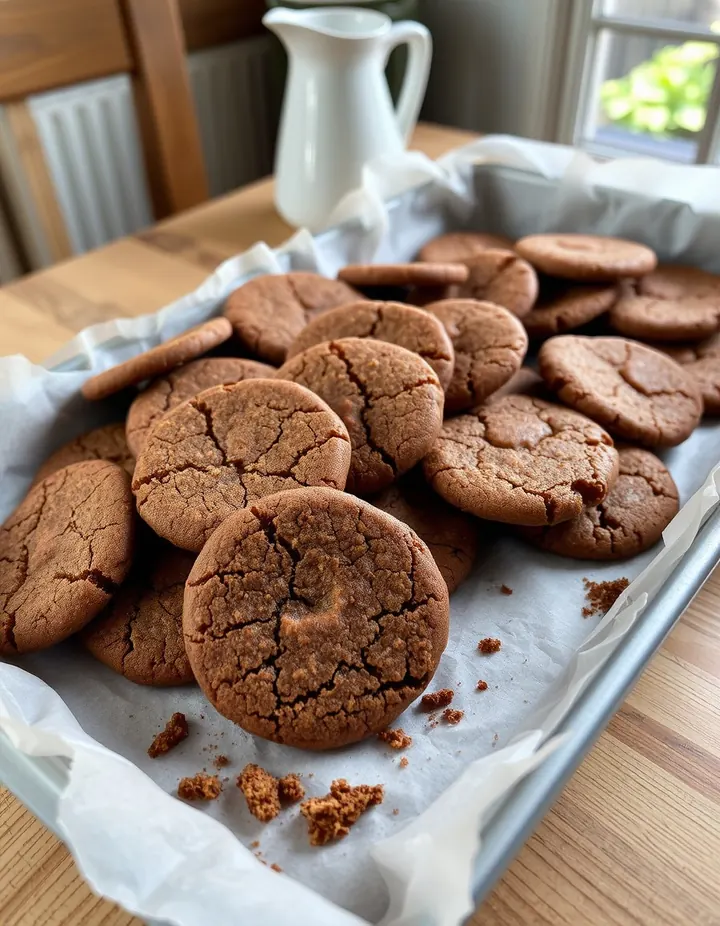 Ginger Cookies213 recipes
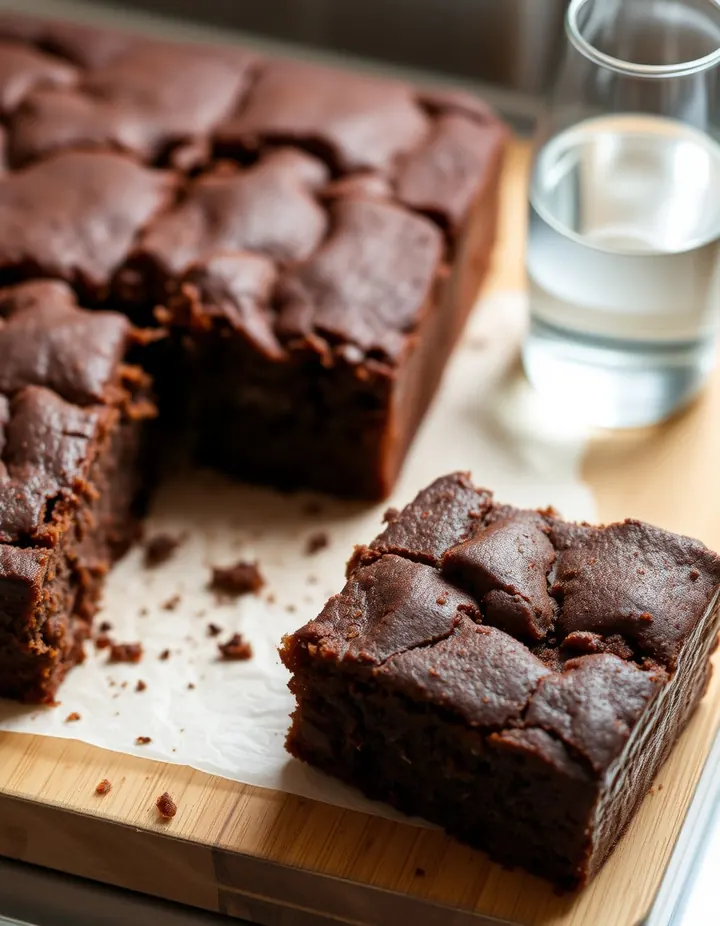 Ginger Cake93 recipes
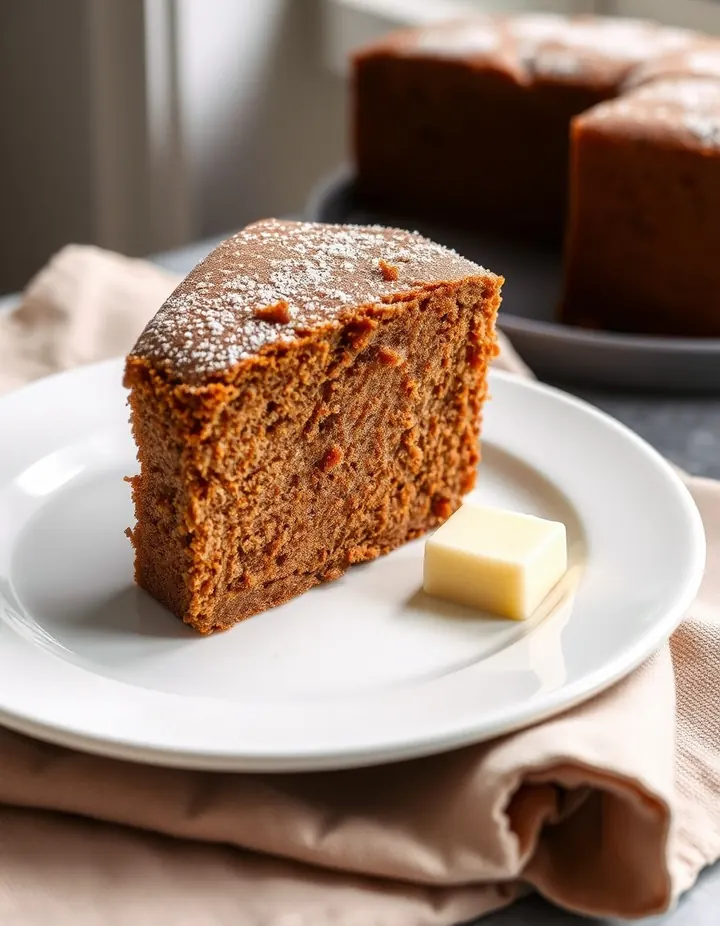 Soft Ginger Bread85 recipes
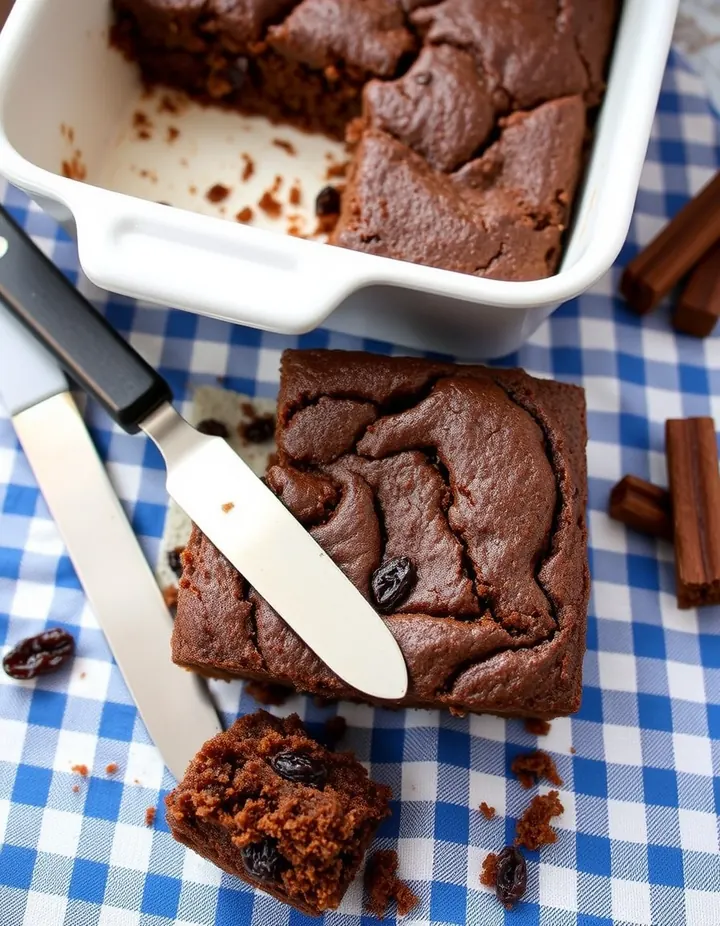 Soft Ginger Cake56 recipes
The free Flavor Lab newsletter: one surprising pairing a week and the molecular reason it works, in 60 seconds. No spam, unsubscribe anytime.
Prefer an account? Create a free account to save pairings and unlock the full chemistry.