Why it works: Oyster and egg are a kitchen classic. They rank in the top 14% of all ingredient pairs, and 4,103 recipes mention both. Both carry 2-nonenal, which smells fatty, green. The science ↓
Fried Oysters
Ingredients
Directions
Prepare the coating
Drain the oysters and reserve the liquor.
Beat the eggs into the reserved liquor.
Mix in salt, pepper, and baking powder with the cracker dust.
Coat and fry
Dip the oysters in the liquor.
Coat them in the cracker dust.
For small oysters, place two together with thick parts facing opposite directions.
Dip them in egg and cracker dust again before frying.
Fry the oysters in hot fat.
Transcribed from a scanned cookbook and modernised for today's kitchens. Where the book gave no heat or time, or said "a moderate oven", the temperatures and times here may be modern equivalents rather than the book's own figures.
Explore the science
The flavor team
The pairs that carry this dish. Each one is judged two ways: how much aroma chemistry they share, and how many recipes mention both.
-
Oyster + eggtop 14% of all pairsAroma overlapmoderateMentioned together4,103 recipes
Shared aroma: 2-nonenal (fatty, green).
-
Oyster + peppertop 22% of all pairsAroma overlaplowMentioned together7,663 recipes
Shared aroma: 2-nonenal (fatty, green).
-
Egg + peppertop 33% of all pairsAroma overlaplowMentioned together50,580 recipes
Shared aroma: 2-nonenal (fatty, green).
Egg and pepper share little aroma chemistry, yet 50,580 recipes mention both: they likely work on texture and structure more than aroma.
Ranks compare each pair with 20,000 random ingredient pairs on CompKitchen. How we score pairs
What each ingredient does
- Oysters
- Are the main ingredient, cooked briefly so they stay tender inside the crisp coating.
- Eggs
- Bind the cracker dust to the oysters so the coating adheres during frying.
- Cracker dust
- Forms a crisp, golden crust when fried in hot fat.
- Baking powder
- Lightens the coating slightly, making it puffier and less dense when fried.
The step that matters
Frying in hot fat. If the fat is not hot enough, the coating absorbs oil and turns greasy instead of crisping quickly. Hot fat sets the crust fast, sealing in moisture so the oyster stays plump.
“What each ingredient does” and “The step that matters” were written by Claude from this recipe’s own method and reviewed in samples by CompKitchen.
More fried oysters recipes
You might also like
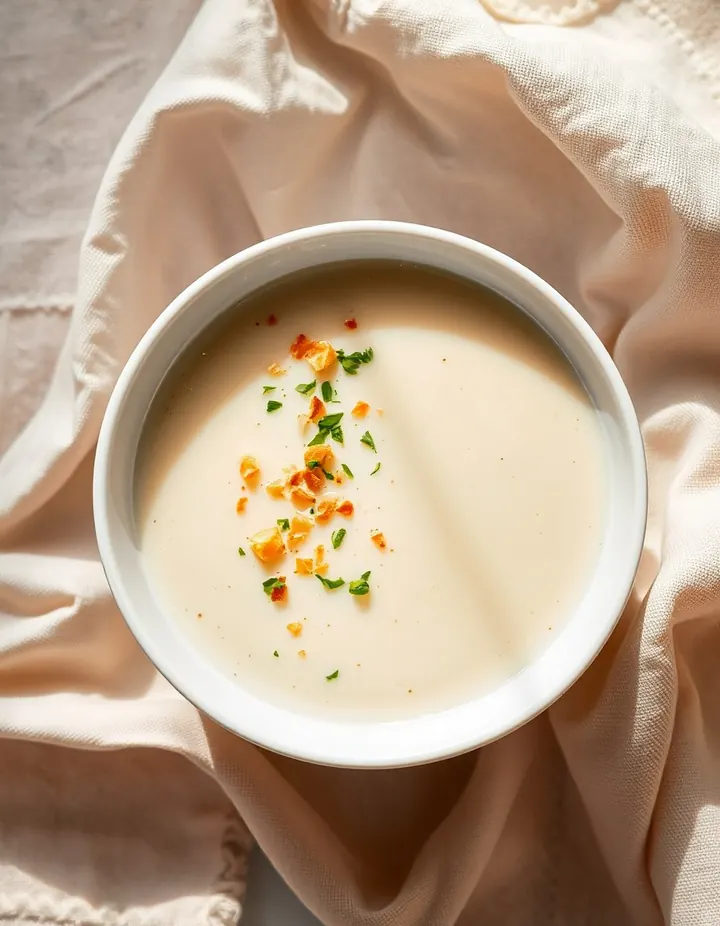 Mock Oyster Soup21 recipes
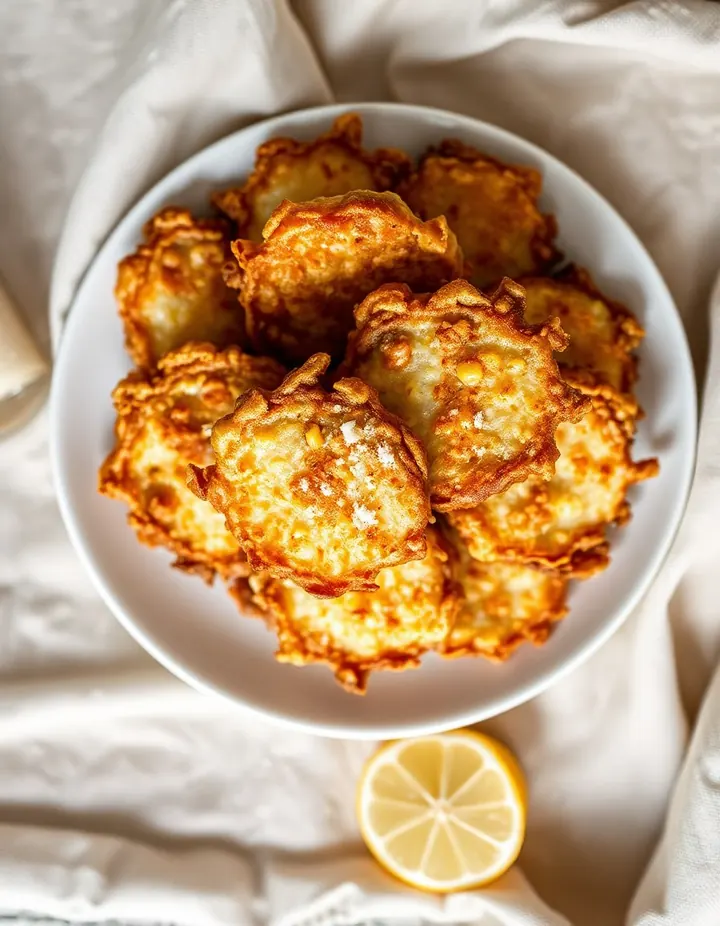 Corn Fritters6 recipes
 Tomato Soup526 recipes
 Brown Bread461 recipes
The Sunday pairing: one pairing, the chemistry behind it, and how to cook it. No spam, unsubscribe anytime.
Prefer an account? Create a free account for sign-in; Pro adds the full results and chemistry.