Why it works: Clove and mace are a kitchen classic. They rank in the top 6% of all ingredient pairs, and cooks put them together in 8,400 recipes. Both carry methyleugenol, which smells clove, spice. The science ↓
Pickled Oysters
this mixture will season 100 oystersIngredients
Directions
Prepare the oysters
Boil the oyster liquor and skim off any impurities.
Dip the oysters into the hot oyster liquor two or three times, then immediately dip them into ice water.
Place the oysters in a tureen.
Make the pickle
Mix the vinegar with the cooled oyster liquor.
Add the lemon slices, cloves, peppercorns, mace, and salt to the mixture.
This mixture will season 100 oysters.
Transcribed from a scanned cookbook and modernised for today's kitchens. Where the book gave no heat or time, or said "a moderate oven", the temperatures and times here may be modern equivalents rather than the book's own figures.
Explore the science
The flavor team
The pairs that carry this dish. Each one is judged two ways: how much their aromas overlap, and how often cooks already put them together.
-
Clove + macetop 6% of all pairsSmell alikelowCooked together8,400 recipes
Shared aroma: methyleugenol (clove, spice).
-
Lemon + clovetop 10% of all pairsSmell alikestrongCooked together8,150 recipes
Shared aroma: eucalyptol (eucalyptus, herbal).
-
Vinegar + clovetop 15% of all pairsSmell alikemoderateCooked together10,386 recipes
Shared aroma: isobutyraldehyde (malty, green).
-
Lemon + macetop 18% of all pairsSmell alikemoderateCooked together6,315 recipes
Shared aroma: alpha-pinene (pine, turpentine).
-
Vinegar + lemontop 20% of all pairsSmell alikemoderateCooked together7,334 recipes
Shared aroma: acetic acid (sour, vinegar).
Ranks compare each pair with 20,000 random ingredient pairs on CompKitchen. How we score pairs
What each ingredient does
- Oysters
- Are the main food, firmed briefly by the hot liquor and then chilled in ice water.
- Vinegar
- Provides the acidity that sharpens the flavour and preserves the pickling liquid.
- Oyster liquor
- Supplies the briny, savoury oyster flavour that the pickle is built on.
- Lemon
- Adds fresh acidity and citrus aroma to the pickling liquid.
- Cloves
- Add warm, aromatic spice to the pickle.
The step that matters
Dipping the oysters in hot liquor. Dipping only two or three times, then chilling at once, briefly firms the oysters without cooking them through. Longer heating would toughen them and make them rubbery.
Flavor stand-ins for the lemon
How well each one fits the dish's main ingredients (vinegar, oyster, clove, mace):
- Applebetter flavor fit
- Figbetter flavor fit
- Plumabout as good a flavor fit
- Lemonthe original
Fit is the average pairing score against vinegar, oyster, clove, mace. Candidates are from the same food group and used in at least 100 recipes. This compares flavor only: it does not check the job the ingredient does in the dish (bulk, moisture, acidity, structure).
“What each ingredient does” and “The step that matters” were written by Claude from this recipe’s own method and reviewed in samples by CompKitchen.
You might also like
 Lemon Sauce236 recipes
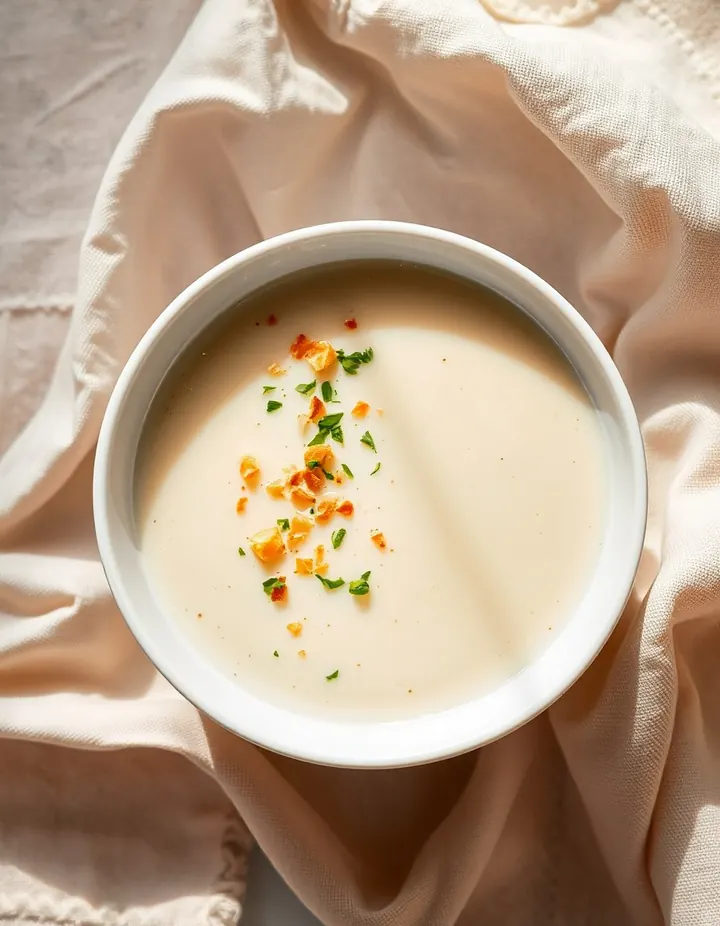 Mock Oyster Soup21 recipes
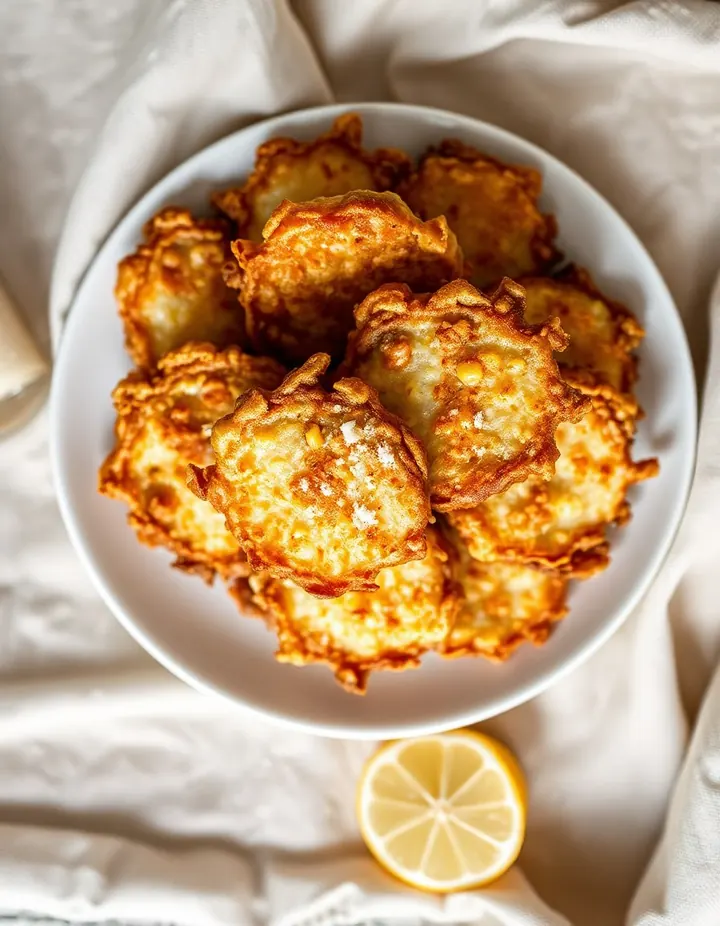 Corn Fritters6 recipes
 Tomato Soup526 recipes
The free Flavor Lab newsletter: one surprising pairing a week and the molecular reason it works, in 60 seconds. No spam, unsubscribe anytime.
Prefer an account? Create a free account for sign-in; Pro adds the full results and chemistry.