Why it works: Fig and almond match in chemistry and in kitchens. They rank in the top 3% of all ingredient pairs, and cooks put them together in 519 recipes. Both carry alpha-pinene, which smells pine, turpentine. The science ↓
Fruit Cake
Ingredients
Directions
The book says “a slow oven”. The 300°F (150°C) in the steps is the modern equivalent, not the book's own figure.
Prepare
Line a pan with three layers of paper, buttering only the top layer.
Seed the raisins and tear them into quarters.
Wash and dry the currants.
Stone the dates.
Cut the dates and the figs into small pieces.
Blanch and chop the almonds.
Cut the citron and lemon peel into thin slices, then cut them into small pieces.
Mix the fruit (except peel).
Dredge with 3 tablespoons of flour.
Dredge the citron and lemon peel with flour.
Mix and sift the remaining flour with the spices.
Make the batter
Cream the butter.
Add the sugar.
Add the beaten egg yolk.
Add the beaten egg white.
Add the lemon juice.
Add the grated lemon rind.
Beat thoroughly.
Add the liquid.
Add the sifted flour alternately, beating well.
Add the fruit and nuts.
Layer and bake
Put a layer of the mixture into the pan.
Put a layer of the peel.
Repeat until the pan is two-thirds full.
Finish with the cake mixture on top.
Bake in a slow oven at 300°F (150°C) for 2 to 3 hours.
Transcribed from a scanned cookbook and modernised for today's kitchens. Where the book gave no heat or time, or said "a moderate oven", the temperatures and times here may be modern equivalents rather than the book's own figures.
Explore the science
The flavor team
The pairs that carry this dish. Each one is judged two ways: how much their aromas overlap, and how often cooks already put them together.
-
Fig + almondtop 3% of all pairsSmell alikestrongCooked together519 recipes
Shared aroma: alpha-pinene (pine, turpentine).
-
Almond + flourtop 5% of all pairsSmell alikemoderateCooked together8,673 recipes
Shared aroma: isobutyraldehyde (malty, green).
-
Almond + lemontop 10% of all pairsSmell alikestrongCooked together5,655 recipes
Shared aroma: eucalyptol (eucalyptus, herbal).
-
Butter + almondtop 11% of all pairsSmell alikemoderateCooked together9,245 recipes
Shared aroma: 2,3-pentanedione (butter, sweet).
-
Fig + lemontop 11% of all pairsSmell alikestrongCooked together763 recipes
Shared aroma: alpha-pinene (pine, turpentine).
Ranks compare each pair with 20,000 random ingredient pairs on CompKitchen. How we score pairs
What each ingredient does
- Butter
- Creaming with sugar traps air, giving the cake a tender crumb.
- Egg
- Binds the batter and helps set the crumb structure as it bakes.
- Flour
- Builds the structure that holds the cake together as it sets.
- Brown sugar
- Adds sweetness and moisture, and helps the cake brown in the oven.
- Raisins
- Add chewy sweetness and moisture throughout the cake.
- Almonds
- Add texture and a nutty flavour that holds up during baking.
The step that matters
Adding the sifted flour alternately, beating well. Flour should be folded in gently and only until combined. Overbeating after the flour goes in develops gluten, which makes the cake tough and dense rather than tender.
Swap the lemon
How well each one fits the dish's main ingredients (butter, fig, sugar, almond, egg, flour, coffee):
- Vanillafits better
- Raisinfits better
- Peachfits better
- Lemonthe original
Fit is the average pairing score against butter, fig, sugar, almond, egg, flour, coffee. Candidates are from the same food group and used in at least 100 recipes.
“What each ingredient does” and “The step that matters” were written by Claude from this recipe’s own method and reviewed in samples by CompKitchen.
More fruit cake recipes
You might also like
 Lemon Cake228 recipes
 Lemon Ice147 recipes
 Lemon Sherbet103 recipes
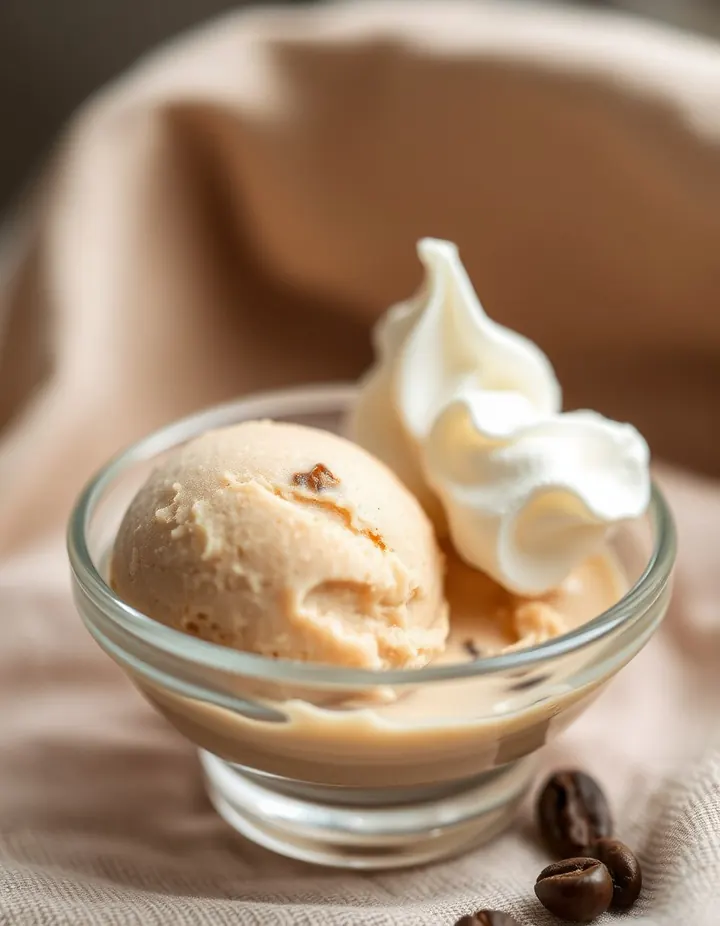 Coffee Ice Cream91 recipes
The free Flavor Lab newsletter: one surprising pairing a week and the molecular reason it works, in 60 seconds. No spam, unsubscribe anytime.
Prefer an account? Create a free account to save pairings and unlock the full chemistry.