Why it works: Asparagus and butter are a kitchen classic. They rank in the top 17% of all ingredient pairs, and cooks put them together in 2,026 recipes. Both carry trans-2-nonenal, which smells cardboard, fatty. The science ↓
Asparagus, Tinned
Ingredients
Directions
Prepare
Do not heat the asparagus in the tin as it spoils the flavor.
Open the tin at the bottom and gently drain off all liquid.
Cut away the bottom of the tin entirely and slide the asparagus onto a deep dish.
Heat and serve
Place the dish in a frying pan filled with hot water and cover it.
Heat over a slow fire for ten minutes.
Gently turn the asparagus with an enamel slice.
Serve with plain melted butter or good white sauce.
Transcribed from a scanned cookbook and modernised for today's kitchens. Where the book gave no heat or time, or said "a moderate oven", the temperatures and times here may be modern equivalents rather than the book's own figures.
Explore the science
The flavor team
The pairs that carry this dish. Each one is judged two ways: how much their aromas overlap, and how often cooks already put them together.
-
Asparagus + buttertop 17% of all pairsSmell alikemoderateCooked together2,026 recipes
Shared aroma: trans-2-nonenal (cardboard, fatty).
Ranks compare each pair with 20,000 random ingredient pairs on CompKitchen. How we score pairs
What each ingredient does
- Asparagus
- Provides the main vegetable and its tender texture once gently heated.
- Plain melted butter or good white sauce
- Adds fat and richness to the mild asparagus flavor when served.
The step that matters
Do not heat the asparagus in the tin. Heating the asparagus in its can spoils the flavor, so it is moved to a dish and warmed gently in hot water instead.
“What each ingredient does” and “The step that matters” were written by Claude from this recipe’s own method and reviewed in samples by CompKitchen.
You might also like
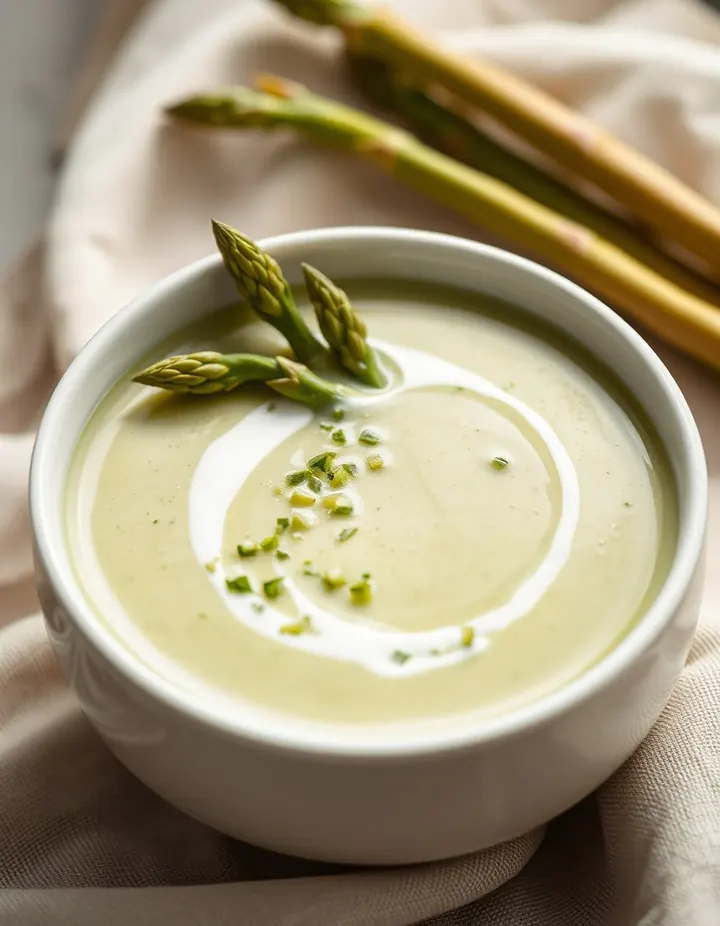 Asparagus Soup179 recipes
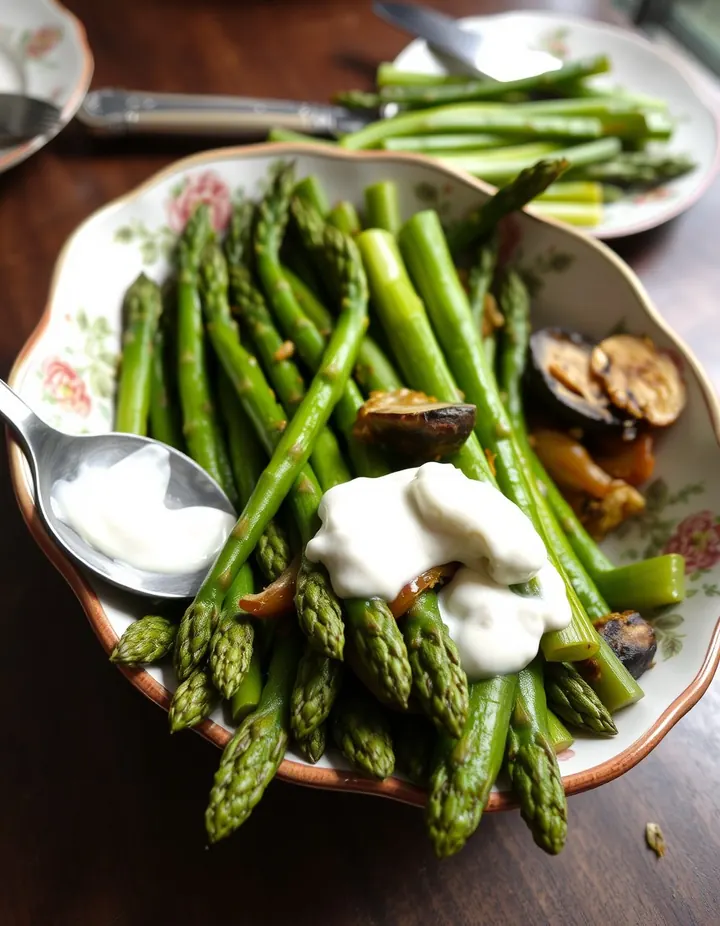 Asparagus Salad77 recipes
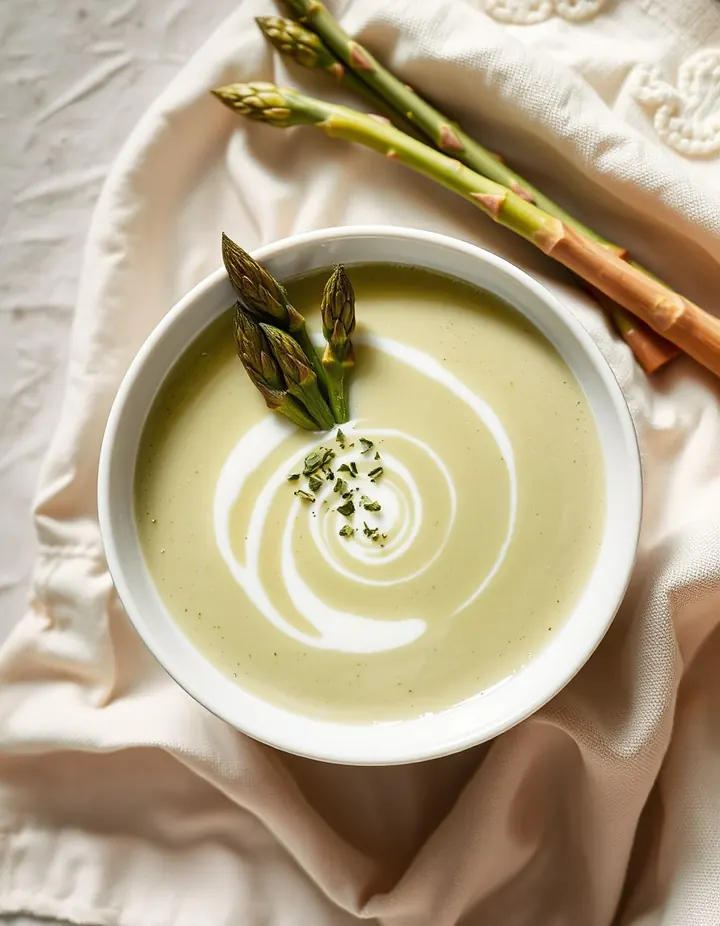 Cream of Asparagus38 recipes
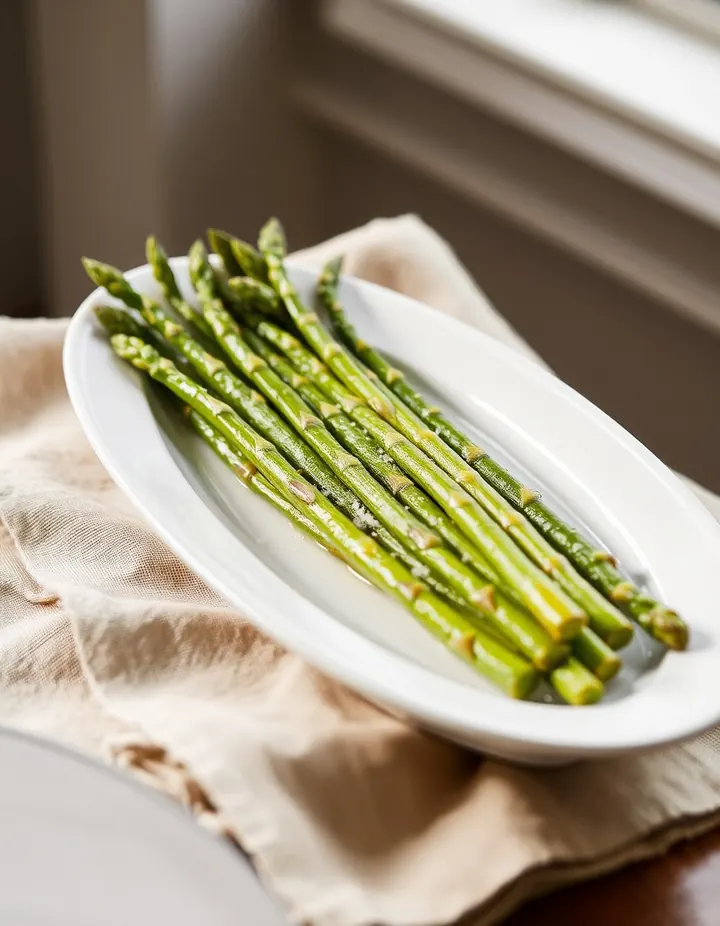 Boiled Asparagus27 recipes
The free Flavor Lab newsletter: one surprising pairing a week and the molecular reason it works, in 60 seconds. No spam, unsubscribe anytime.
Prefer an account? Create a free account to save pairings and unlock the full chemistry.