Why it works: Nutmeg and clove match in chemistry and in kitchens. They rank in the top 1% of all ingredient pairs, and cooks put them together in 8,686 recipes. Both carry estragole, which smells anise, licorice. The science ↓
Tonbridge Brawn
Ingredients
Directions
Cure the pig's head
Split open the pig's head, remove the brain and bones.
Sprinkle the inside with coarse sea salt.
Let it drain overnight.
Clean the ears and feet.
Wipe off the brine.
Place them in a large pan.
Rub the ears and feet with saltpetre mixed with sugar.
After 12 hours, add coarse sea salt.
The next day, pour vinegar over them.
Turn in the pickle every 24 hours for a week.
Cook the ears and feet
After a week, wash off the ears and feet.
Boil them for about 1.5 hours.
Bone the feet while warm.
Trim the gristle from the ears.
Prepare and roll the head
Mix grated nutmeg, mace, cayenne, and cloves in a bowl.
Wash the head without soaking.
Wipe it.
Flatten it on a board.
Cut some flesh from the thickest parts.
Season the meat with the spice mixture.
Intermix the seasoned head meat with the ears and feet.
Roll it tightly.
Bind with tape.
Wrap in a thin pudding cloth.
Tie securely at both ends.
Simmer
Place in a braising pan or suitable vessel with bones, trimmings, herbs, onions, celery, carrots, and peppercorns.
Cover with cold water.
Boil gently for 4 hours.
Transcribed from a scanned cookbook and modernised for today's kitchens. Where the book gave no heat or time, or said "a moderate oven", the temperatures and times here may be modern equivalents rather than the book's own figures.
Explore the science
The flavor team
The pairs that carry this dish. Each one is judged two ways: how much their aromas overlap, and how often cooks already put them together.
-
Nutmeg + clovetop 1% of all pairsSmell alikestrongCooked together8,686 recipes
Shared aroma: estragole (anise, licorice).
-
Nutmeg + macetop 4% of all pairsSmell alikemoderateCooked together6,557 recipes
Shared aroma: myristicin (spice, warm).
-
Pepper + clovetop 5% of all pairsSmell alikestrongCooked together17,451 recipes
Shared aroma: ethyl octanoate (fruity, wine).
-
Pepper + celerytop 5% of all pairsSmell alikestrongCooked together16,012 recipes
Shared aroma: 4'-methylacetophenone (bitter almond).
-
Clove + celerytop 6% of all pairsSmell alikestrongCooked together4,668 recipes
Shared aroma: gamma-decalactone (peach, creamy).
Ranks compare each pair with 20,000 random ingredient pairs on CompKitchen. How we score pairs
What each ingredient does
- Pig's head
- Forms the main body of the brawn, providing meat and gelatine-rich connective tissue for setting.
- Saltpetre
- Gives the meat its characteristic pink colour and helps preserve it during curing.
- Coarse sea salt
- Draws moisture out of the meat and seasons it during the cure.
- Sugar
- Balances the salt and softens the sharpness of the cure.
- Vinegar
- Adds acidity to the pickle, helping to preserve the meat and sharpen its flavour.
- Onions
- Add savoury depth and aroma to the cooking liquid.
The step that matters
Boil gently for 4 hours. Gentle simmering keeps the meat tender and lets collagen in the bones and feet slowly break down into gelatine, which sets the brawn. A hard boil toughens the meat and can break up the rolled shape.
Swap the mace
How well each one fits the dish's main ingredients (sugar, vinegar, nutmeg, pepper, clove, onion, celery):
- Cinnamonfits better
- Allspicefits better
- Cardamomfits better
- Macethe original
Fit is the average pairing score against sugar, vinegar, nutmeg, pepper, clove, onion, celery. Candidates are from the same food group and used in at least 100 recipes.
“What each ingredient does” and “The step that matters” were written by Claude from this recipe’s own method and reviewed in samples by CompKitchen.
You might also like
 Carrot Soup134 recipes
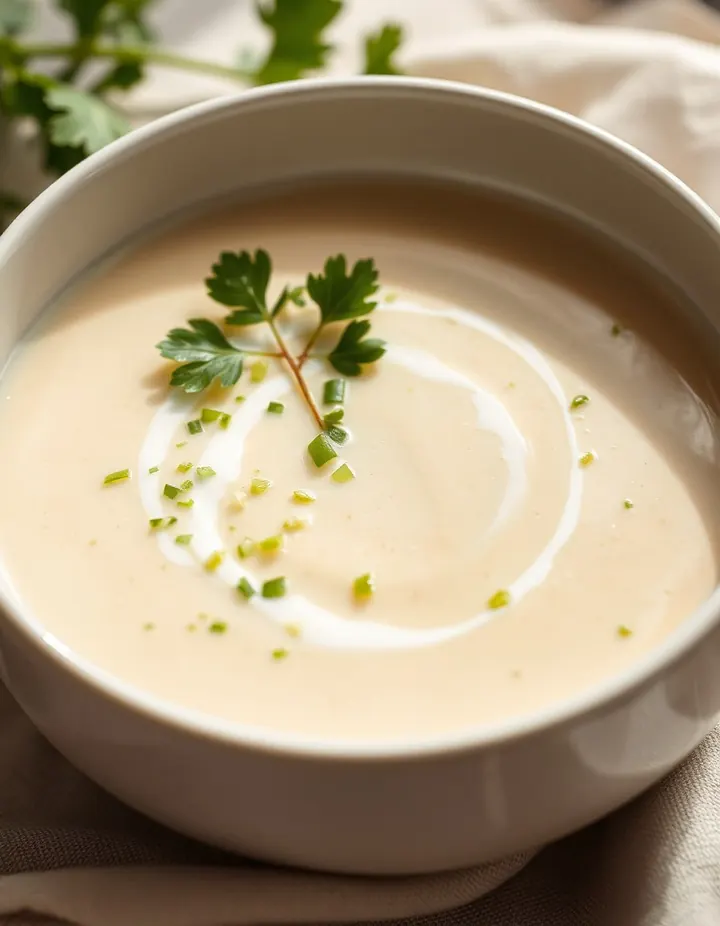 Cream of Celery Soup113 recipes
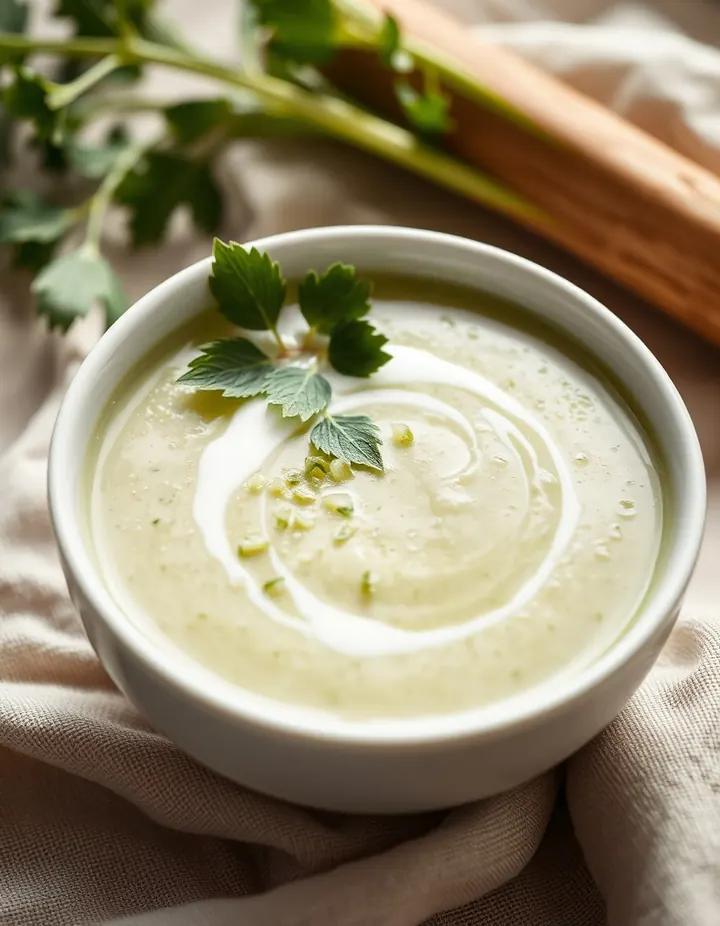 Celery Stew25 recipes
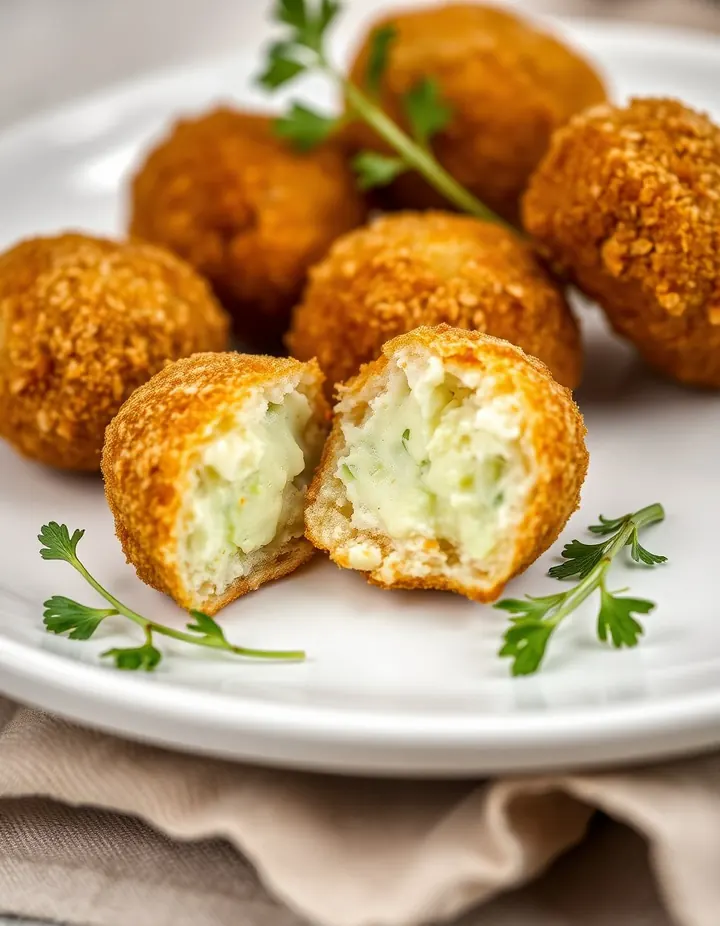 Celery Croquettes16 recipes
The free Flavor Lab newsletter: one surprising pairing a week and the molecular reason it works, in 60 seconds. No spam, unsubscribe anytime.
Prefer an account? Create a free account to save pairings and unlock the full chemistry.