Why it works: Lobster and parsley work together. They rank in the top 24% of all ingredient pairs, and cooks put them together in 890 recipes. Both carry octanal, which smells fat, soap. The science ↓
Lobsters, Tc Dress
Ingredients
Directions
Prepare
Wash the lobsters well before boiling.
Tie the claws securely.
Place the lobster head first into a saucepan of salted boiling water.
Boil gently for 20 to 40 minutes, depending on size, avoiding overcooking.
Cool and cut
Once cool enough to handle, rub with a little salad oil to brighten the color.
Break off the claws and tail.
Divide the tail lengthwise.
Crack the claws with a hammer without injuring the flesh.
Arrange and serve
Arrange the body upright in the center of a dish, with tail halves on either side and claws at the ends.
Garnish the dish tastefully with parsley.
Transcribed from a scanned cookbook and modernised for today's kitchens. Where the book gave no heat or time, or said "a moderate oven", the temperatures and times here may be modern equivalents rather than the book's own figures.
Explore the science
The flavor team
The pairs that carry this dish. Each one is judged two ways: how much their aromas overlap, and how often cooks already put them together.
-
Lobster + parsleytop 24% of all pairsSmell alikelowCooked together890 recipes
Shared aroma: octanal (fat, soap).
Ranks compare each pair with 20,000 random ingredient pairs on CompKitchen. How we score pairs
What each ingredient does
- Lobsters
- The main protein; boiling sets its flesh firm and opaque while it cooks.
- Salad oil
- Rubbed on the cooled shell to add a light sheen and brighten its color.
The step that matters
Boil gently for 20 to 40 minutes, avoiding overcooking. Overcooked lobster becomes tough and rubbery because the proteins in the flesh contract too far and squeeze out moisture. Gentle simmering and checking size-based timing keeps the meat tender and juicy.
“What each ingredient does” and “The step that matters” were written by Claude from this recipe’s own method and reviewed in samples by CompKitchen.
You might also like
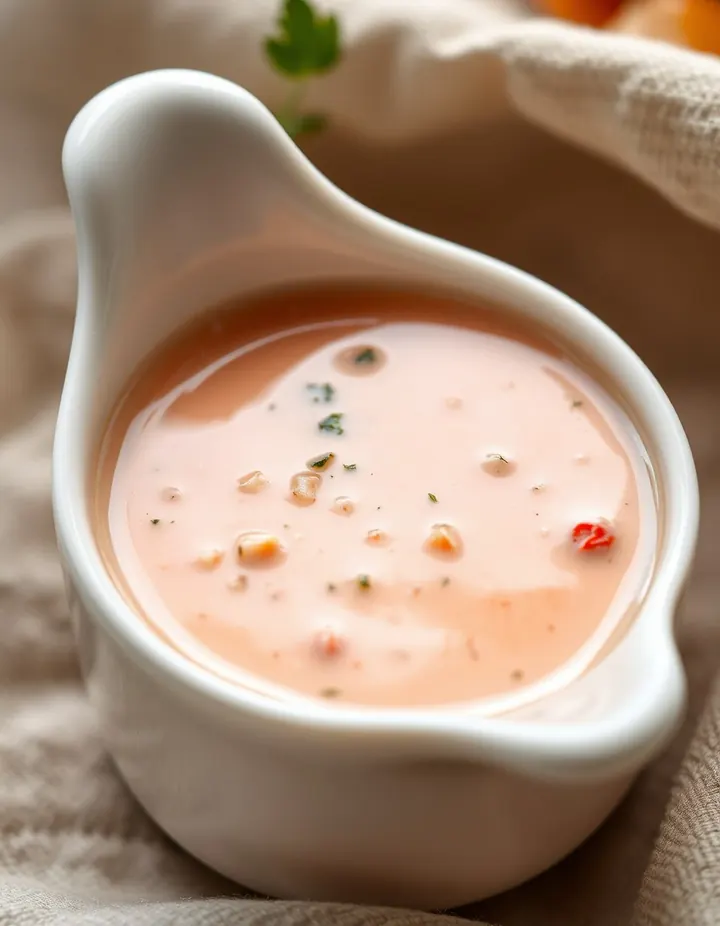 Lobster Sauce174 recipes
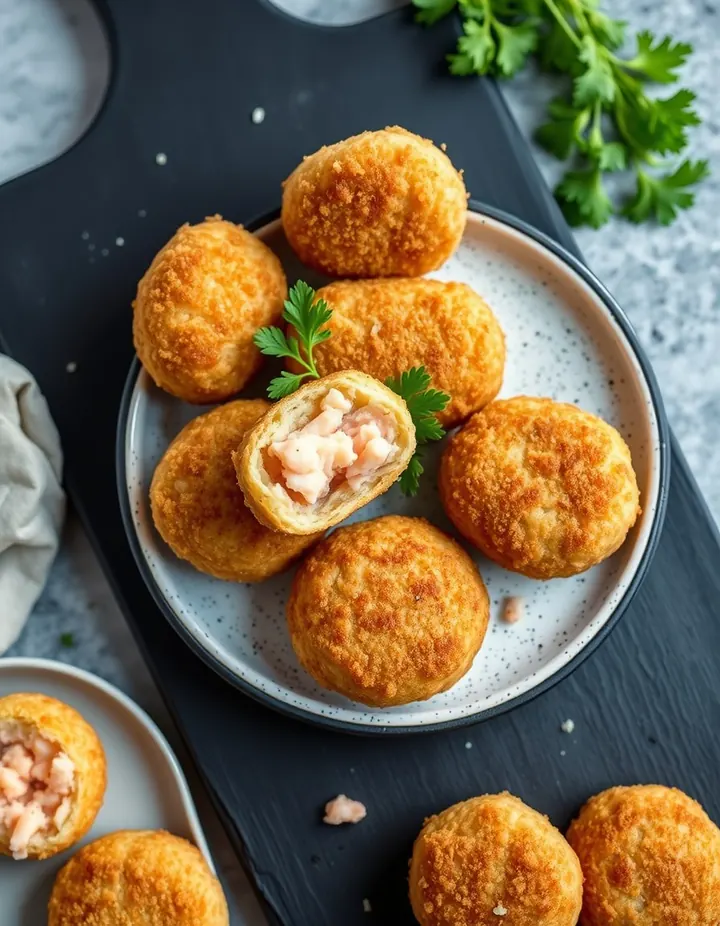 Lobster Croquettes99 recipes
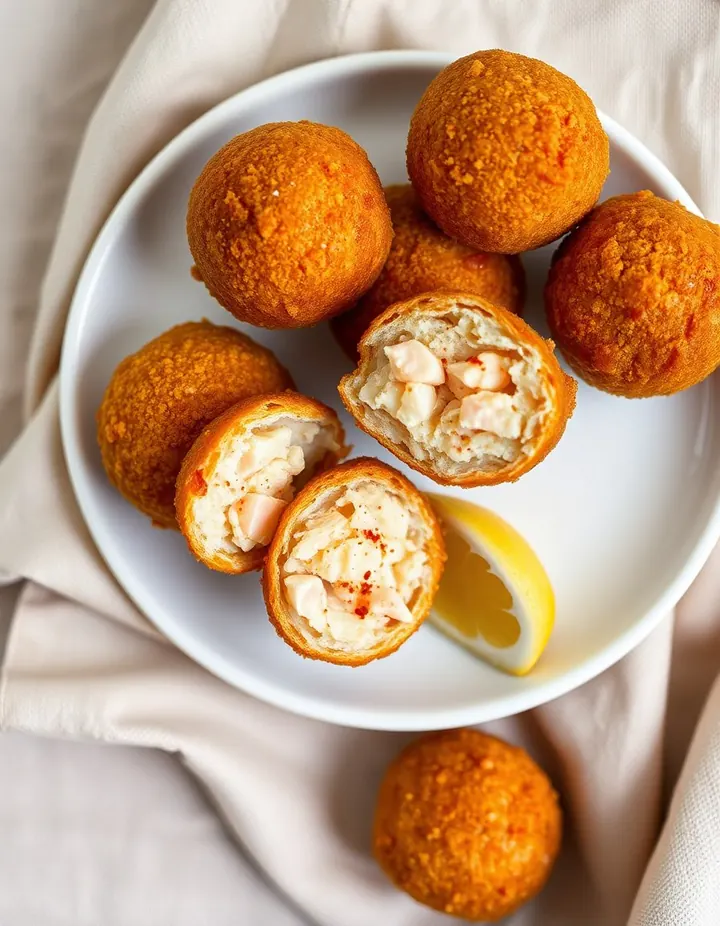 Lobster Balls7 recipes
 Tomato Soup526 recipes
The free Flavor Lab newsletter: one surprising pairing a week and the molecular reason it works, in 60 seconds. No spam, unsubscribe anytime.
Prefer an account? Create a free account to save pairings and unlock the full chemistry.