Why it works: Cinnamon and vanilla match in chemistry and in kitchens. They rank in the top 1% of all ingredient pairs, and cooks put them together in 5,287 recipes. Both carry 4-methoxybenzaldehyde, which smells sweet, anise. The science ↓
Fried Cream
Ingredients
Directions
The book gives no oven temperature. The 350°F (175°C) in the steps was added when the recipe was transcribed, as a starting point.
Make the custard
Put the cinnamon stick into the milk and heat until just about to boil.
Stir in the sugar, cornstarch, and flour (rubbed smooth with 2-3 tablespoons of cold milk).
Cook over heat for 2 minutes to fully cook the starch and flour.
Remove from heat, stir in the beaten egg yolks, and return to heat briefly to set the yolks.
Remove from heat again, take out the cinnamon, and stir in the butter and vanilla.
Pour the mixture onto a buttered platter until about ⅓ inch high and let it cool until stiff.
Coat and fry
Cut the pudding into parallelograms, about 3 inches long and 2 inches wide.
Roll each piece in sifted cracker crumbs, then in the beaten eggs, and again in cracker crumbs.
Dip into boiling lard using a wire basket if available, and fry until golden.
Bake and serve
Place in a 350°F (175°C) oven for 4-5 minutes to soften the pudding.
Sprinkle with powdered sugar and serve immediately.
Transcribed from a scanned cookbook and modernised for today's kitchens. Where the book gave no heat or time, or said "a moderate oven", the temperatures and times here may be modern equivalents rather than the book's own figures.
Explore the science
The flavor team
The pairs that carry this dish. Each one is judged two ways: how much their aromas overlap, and how often cooks already put them together.
-
Cinnamon + vanillatop 1% of all pairsSmell alikestrongCooked together5,287 recipes
Shared aroma: 4-methoxybenzaldehyde (sweet, anise).
-
Milk + vanillatop 5% of all pairsSmell alikemoderateCooked together19,187 recipes
Shared aroma: ethyl caproate (fruity, apple peel).
-
Milk + buttertop 7% of all pairsSmell alikemoderateCooked together81,283 recipes
Shared aroma: (z)-4-heptenal (biscuit, cream).
-
Sugar + vanillatop 8% of all pairsSmell alikelowCooked together35,032 recipes
Shared aroma: beta-damascenone (apple, rose).
-
Flour + cinnamontop 9% of all pairsSmell alikemoderateCooked together17,341 recipes
Shared aroma: isobutyraldehyde (malty, green).
Sugar and vanilla barely smell alike, yet cooks put them together in 35,032 recipes: they work on texture and structure more than aroma.
Ranks compare each pair with 20,000 random ingredient pairs on CompKitchen. How we score pairs
What each ingredient does
- Egg yolks
- Thicken the custard and add richness when gently heated to set.
- Cornstarch
- Thickens the milk mixture so the custard sets firm enough to cut and fry.
- Flour
- Adds body to the custard, helping it hold its shape when cooled and cut.
- Butter
- Adds richness and a smoother, softer mouthfeel to the custard.
- Milk
- Forms the liquid base that the starch and yolks thicken into custard.
The step that matters
Let the custard cool until stiff before cutting. Starch-thickened custard only sets firm as it cools. Cutting or coating it while still soft makes the pieces collapse and break apart in the crumbs and hot lard.
“What each ingredient does” and “The step that matters” were written by Claude from this recipe’s own method and reviewed in samples by CompKitchen.
You might also like
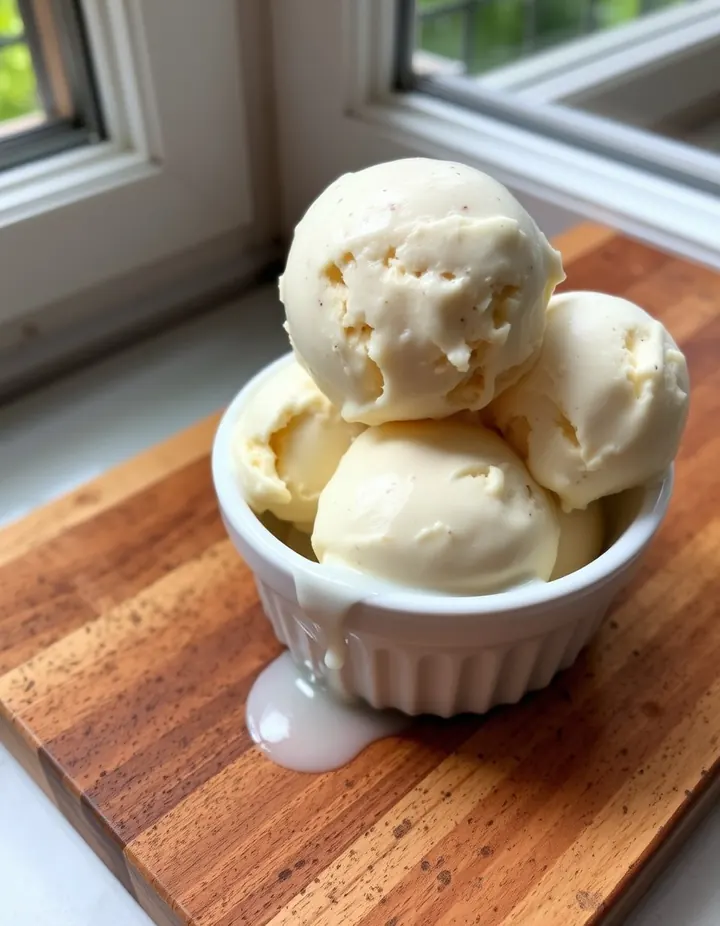 Vanilla Ice Cream108 recipes
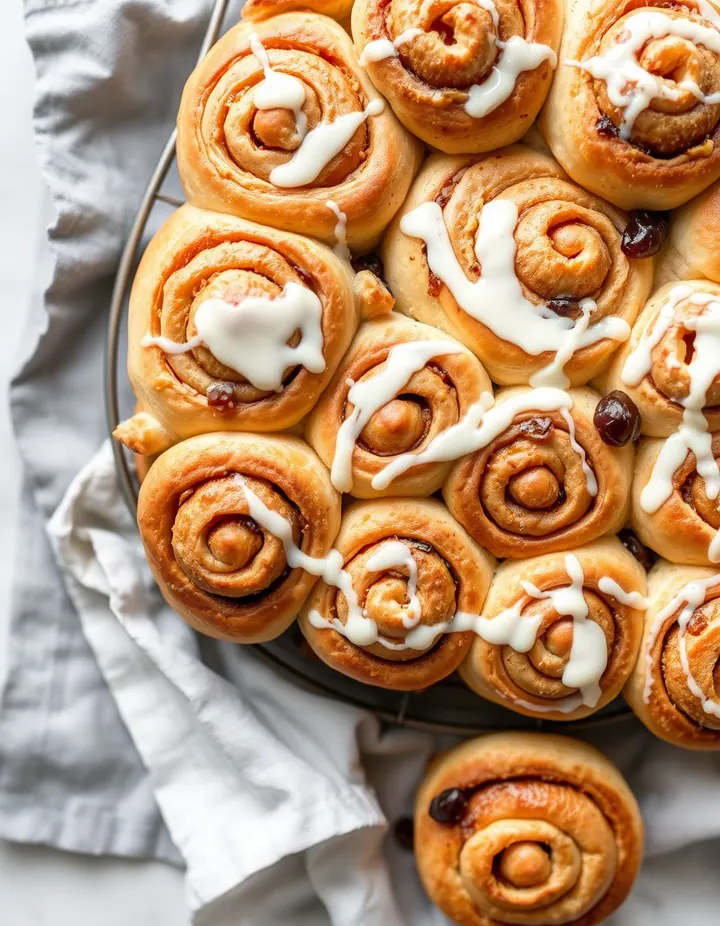 Cinnamon Rolls71 recipes
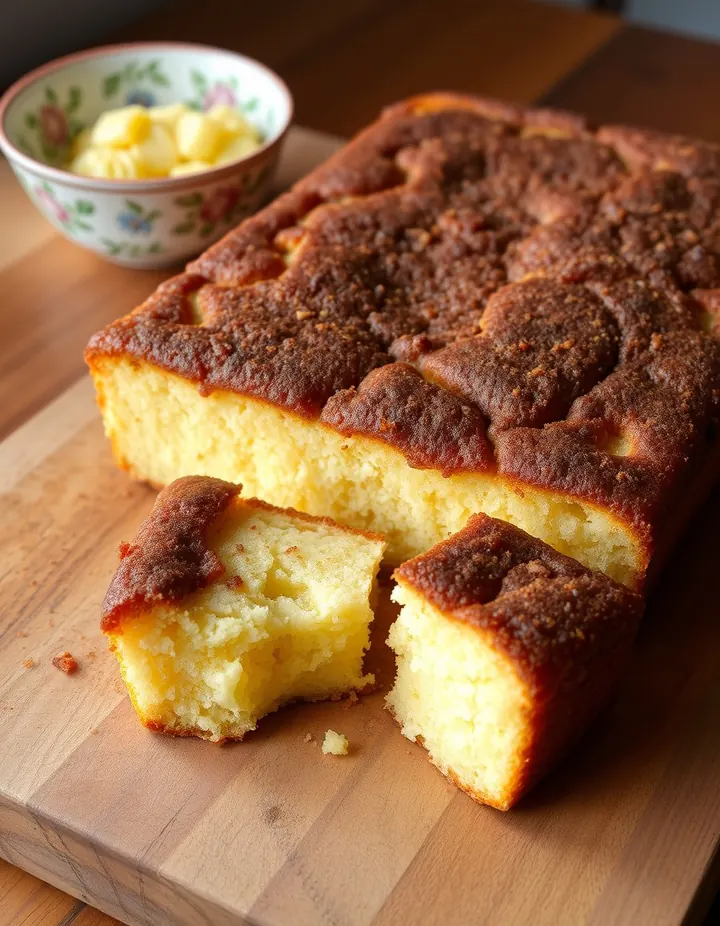 Cinnamon Cake42 recipes
 White Cake431 recipes
The free Flavor Lab newsletter: one surprising pairing a week and the molecular reason it works, in 60 seconds. No spam, unsubscribe anytime.
Prefer an account? Create a free account to save pairings and unlock the full chemistry.