Why it works: Butter and flour are a kitchen classic. They rank in the top 12% of all ingredient pairs, and cooks put them together in 124,287 recipes. Both carry isobutyraldehyde, which smells malty, green. The science ↓
Roast Turkey
Ingredients
Directions
The book gives no oven temperature. The 400°F (200°C) in the steps was added when the recipe was transcribed, as a starting point.
Prepare the turkey
Remove all feathers from the turkey.
Singe the turkey over a burning newspaper.
Carefully draw the turkey, avoiding breaking any internal organs.
Remove the crop.
Rinse the inside of the turkey with several waters. Add baking soda to the last rinse.
Wipe the turkey dry inside and out with a clean cloth.
Rub the inside with salt.
Stuff the turkey with dressing.
Sew it up.
Tie the legs and wings to the body.
Roast
Rub the outside with soft butter.
Sprinkle with salt and pepper.
Dredge with flour.
Place the turkey in a dripping pan.
Pour in boiling water.
Set it in the oven at 400°F (200°C).
Baste the turkey often.
Turn it occasionally for even cooking.
Cook for 3 to 4 hours, until the juices run clear when pierced with a fork.
Make the gravy
For gravy, boil the neck, heart, liver, and gizzard in 1 pint of water until tender.
Chop the heart and gizzard.
Mash the liver.
Return them to the cooking liquid.
After the turkey is done, add this mixture to the drippings.
Boil for 3 minutes.
Thicken with flour.
Transcribed from a scanned cookbook and modernised for today's kitchens. Where the book gave no heat or time, or said "a moderate oven", the temperatures and times here may be modern equivalents rather than the book's own figures.
Explore the science
The flavor team
The pairs that carry this dish. Each one is judged two ways: how much their aromas overlap, and how often cooks already put them together.
-
Butter + flourtop 12% of all pairsSmell alikelowCooked together124,287 recipes
Shared aroma: isobutyraldehyde (malty, green).
-
Turkey + buttertop 13% of all pairsSmell alikemoderateCooked together1,592 recipes
Shared aroma: trans-2-decenal (waxy, orange).
-
Turkey + peppertop 15% of all pairsSmell alikemoderateCooked together1,636 recipes
Shared aroma: myristicin (spice, warm).
-
Turkey + livertop 15% of all pairsSmell alikelowCooked together190 recipes
Shared aroma: 2-hexenal (green, leafy).
-
Pepper + flourtop 19% of all pairsSmell alikemoderateCooked together50,459 recipes
Shared aroma: isobutyraldehyde (malty, green).
Butter and flour barely smell alike, yet cooks put them together in 124,287 recipes: they work on texture and structure more than aroma.
Ranks compare each pair with 20,000 random ingredient pairs on CompKitchen. How we score pairs
What each ingredient does
- Turkey
- Provides the main protein, which sets and turns firm and juicy as it cooks.
- Baking soda
- Raises the pH of the rinse water, which helps the skin brown and feel more tender.
- Butter
- Adds fat that promotes browning and a rich flavor on the skin.
- Flour
- Dredged on the skin to help it brown, and later thickens the gravy.
The step that matters
Cook for 3 to 4 hours, until the juices run clear when pierced with a fork.. Turkey must reach a safe internal temperature throughout, and the thickest parts take longest. Basting and turning help the bird cook evenly and keep the skin from drying out.
“What each ingredient does” and “The step that matters” were written by Claude from this recipe’s own method and reviewed in samples by CompKitchen.
More roast turkey recipes
You might also like
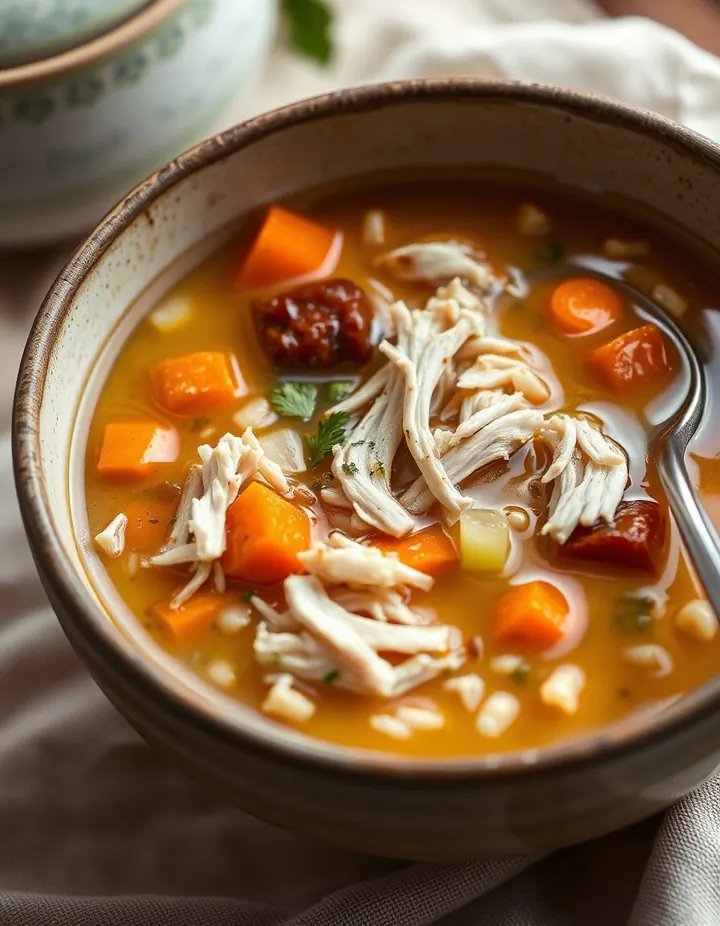 Turkey Soup71 recipes
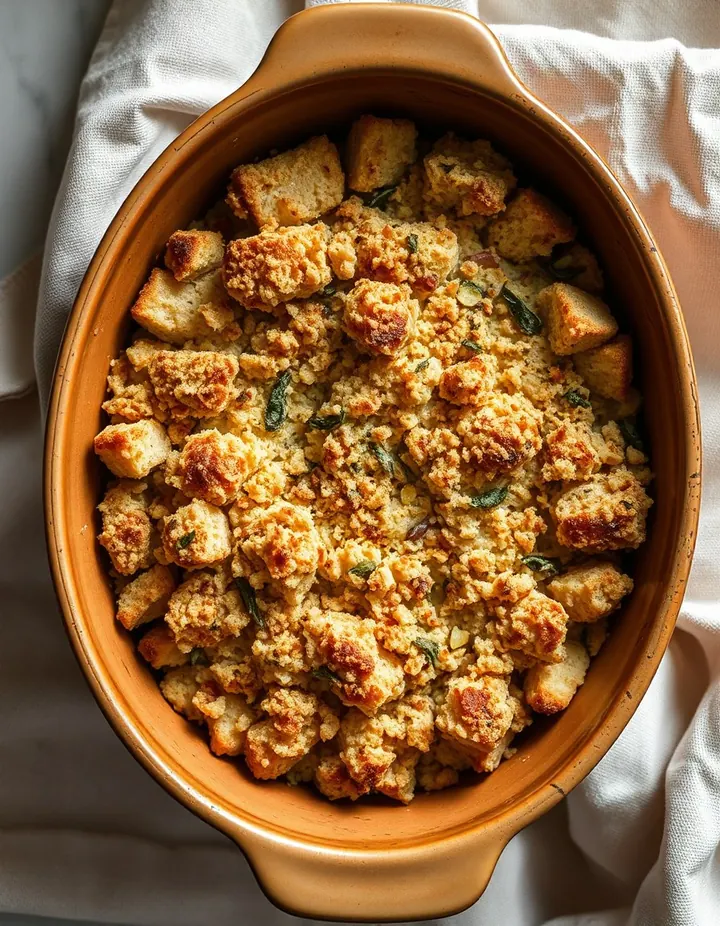 Turkey Stuffing26 recipes
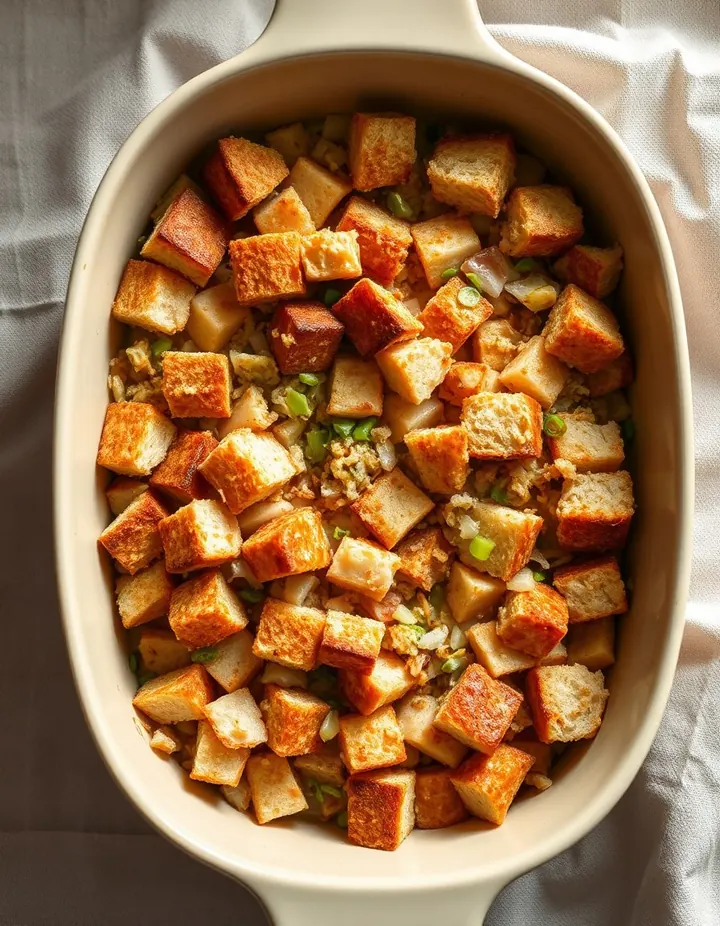 Turkey Dressing24 recipes
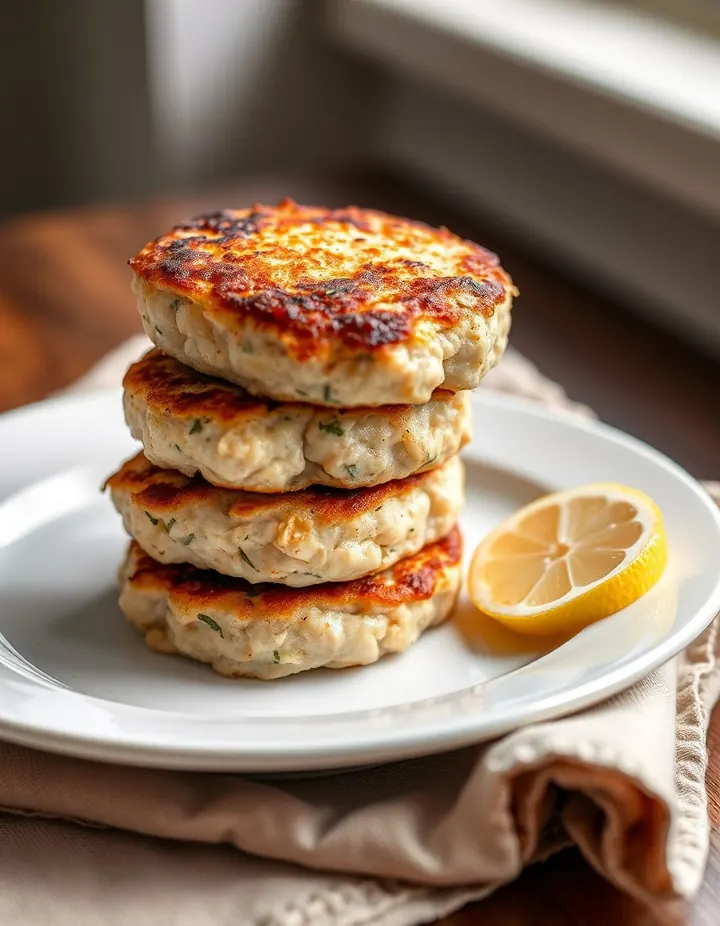 Turkey Patties12 recipes
The free Flavor Lab newsletter: one surprising pairing a week and the molecular reason it works, in 60 seconds. No spam, unsubscribe anytime.
Prefer an account? Create a free account to save pairings and unlock the full chemistry.