Why it works: Bread and butter are a kitchen classic. They rank in the top 7% of all ingredient pairs, and cooks put them together in 27,232 recipes. Both carry delta-decalactone, which smells sweet, creamy. The science ↓
Bread Rings
Ingredients
Directions
Prepare the rings
Cut stale bread into ⅓ inch slices.
Use a circular cutter to shape the slices into 3-inch circles.
Remove the centers with a smaller cutter, leaving rings that are ½ inch wide.
Bake and serve
Butter the rings slightly and place them in a dripping pan.
Bake until delicately browned.
Arrange the rings in a circular shape, overlapping each other, on a plate covered with a doily.
Transcribed from a scanned cookbook and modernised for today's kitchens. Where the book gave no heat or time, or said "a moderate oven", the temperatures and times here may be modern equivalents rather than the book's own figures.
Explore the science
The flavor team
The pairs that carry this dish. Each one is judged two ways: how much their aromas overlap, and how often cooks already put them together.
-
Bread + buttertop 7% of all pairsSmell alikemoderateCooked together27,232 recipes
Shared aroma: delta-decalactone (sweet, creamy).
Ranks compare each pair with 20,000 random ingredient pairs on CompKitchen. How we score pairs
What each ingredient does
- Stale bread
- Dry bread holds its shape and crisps well when baked, unlike soft fresh bread.
- Butter
- Fat carries heat to the surface, helping the rings brown and adding a rich flavor.
The step that matters
Bake until delicately browned. Thin rings dry and darken quickly, so they can scorch before they crisp. Watching the color rather than the clock keeps them golden and crisp without turning bitter.
“What each ingredient does” and “The step that matters” were written by Claude from this recipe’s own method and reviewed in samples by CompKitchen.
You might also like
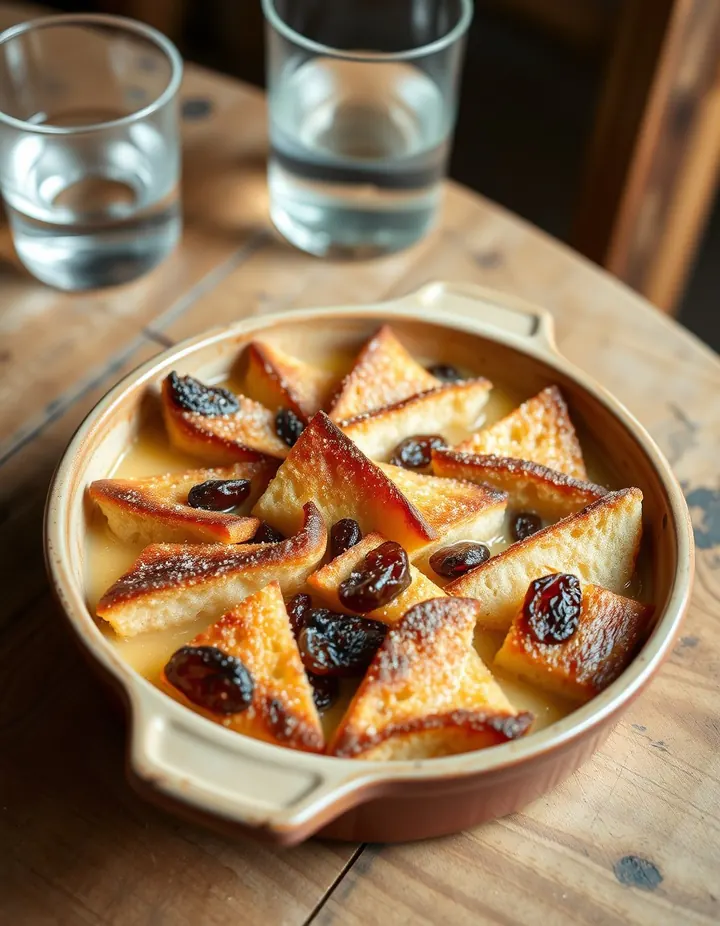 Bread Pudding153 recipes
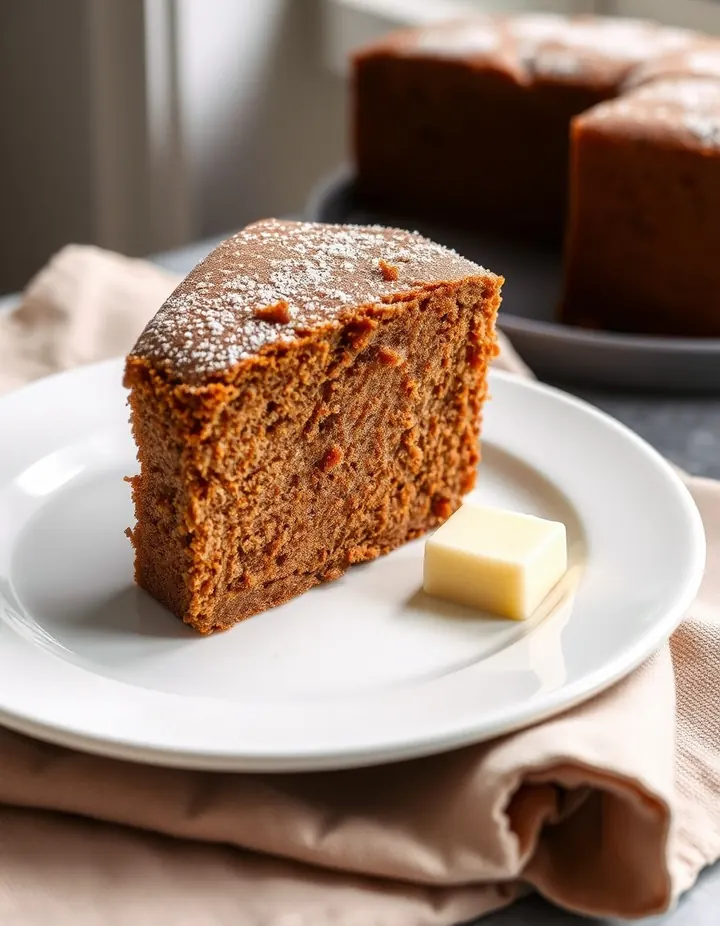 Soft Ginger Bread85 recipes
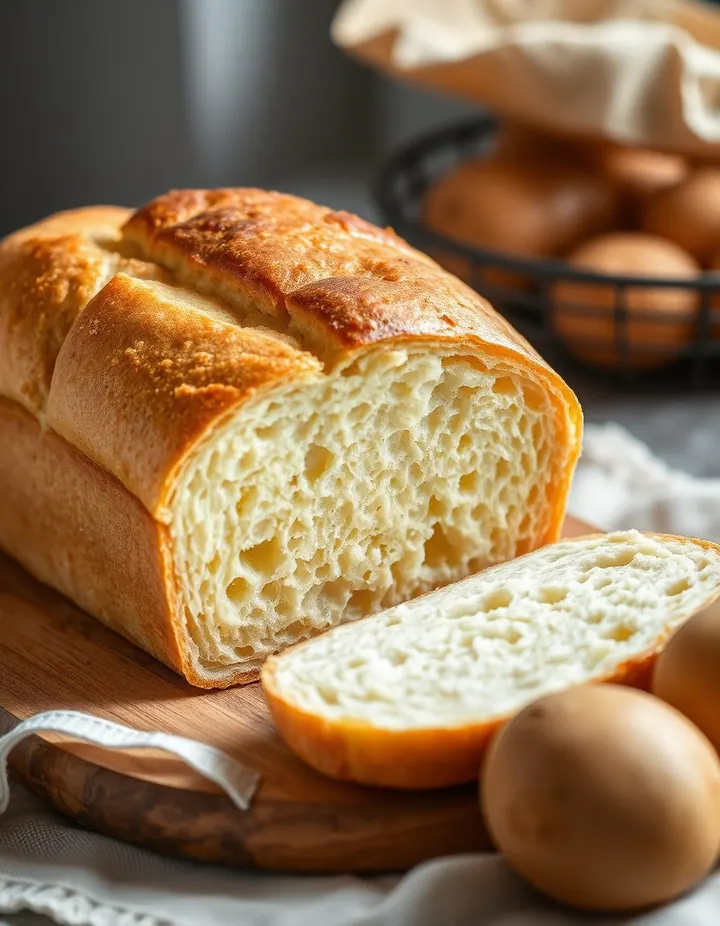 Orange Potato Bread80 recipes
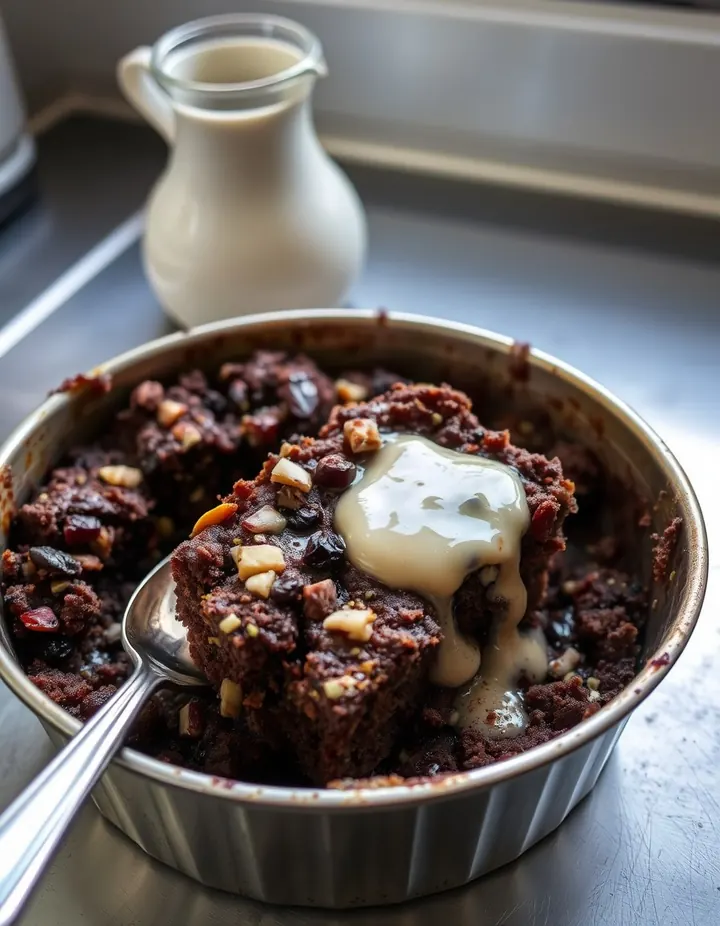 Brown Bread Pudding47 recipes
The free Flavor Lab newsletter: one surprising pairing a week and the molecular reason it works, in 60 seconds. No spam, unsubscribe anytime.
Prefer an account? Create a free account to save pairings and unlock the full chemistry.