Why it works: Nutmeg and cinnamon match in chemistry and in kitchens. They rank in the top 1% of all ingredient pairs, and cooks put them together in 11,917 recipes. Both carry estragole, which smells anise, licorice. The science ↓
Italian Confectioner
Ingredients
Directions
Prepare the melon
Peel the melon, ensuring the slices are round and avoid the inside.
Soak the slices in cold water, then blanch them like other fruits.
After blanching, place the slices in cold water again.
Candy the slices
Once dried, put the slices in a pan and cover with lukewarm clarified sugar.
Add a few cloves, nutmeg, cinnamon, and vinegar if desired.
Drain the slices for five days, boiling and skimming the syrup daily.
On the sixth day, boil the syrup until it reaches the blow stage.
Slide the melon slices into the boiling syrup, then remove the pan from heat.
Decorate and finish
Arrange the slices on gratings, turning them when the surface is dry.
Prepare candy molds filled with syrup and place the slices side by side.
Decorate with liqueur drops, sugar bits, gum paste, shredded pistachios, and fine threads of angelica, cinnamon, and vanilla.
Form little nosegays in the center of each melon circle.
Use small ribbon knots to tie the nosegays, then place them in the stove to finish.
Transcribed from a scanned cookbook and modernised for today's kitchens. Where the book gave no heat or time, or said "a moderate oven", the temperatures and times here may be modern equivalents rather than the book's own figures.
Explore the science
The flavor team
The pairs that carry this dish. Each one is judged two ways: how much their aromas overlap, and how often cooks already put them together.
-
Nutmeg + cinnamontop 1% of all pairsSmell alikestrongCooked together11,917 recipes
Shared aroma: estragole (anise, licorice).
-
Clove + cinnamontop 1% of all pairsSmell alikestrongCooked together14,189 recipes
Shared aroma: ethyl cinnamate (sweet, balsamic).
-
Clove + nutmegtop 1% of all pairsSmell alikestrongCooked together8,686 recipes
Shared aroma: estragole (anise, licorice).
-
Sugar + cinnamontop 10% of all pairsSmell alikelowCooked together30,779 recipes
Shared aroma: guaiacol (smoky, sweet).
-
Melon + clovetop 11% of all pairsSmell alikemoderateCooked together232 recipes
Shared aroma: ethyl octanoate (fruity, wine).
Sugar and cinnamon barely smell alike, yet cooks put them together in 30,779 recipes: they work on texture and structure more than aroma.
Ranks compare each pair with 20,000 random ingredient pairs on CompKitchen. How we score pairs
What each ingredient does
- Melon slices
- The main fruit, which becomes tender and sweet as it absorbs the sugar syrup.
- Clarified sugar
- Sweetens the fruit and, concentrated in the syrup, helps preserve it.
- Cloves
- Adds warm, aromatic spice flavour to the syrup.
- Nutmeg
- Adds warm, aromatic spice flavour to the syrup.
- Cinnamon
- Adds warm, aromatic spice flavour to the syrup.
The step that matters
Boiling the syrup to the blow stage. At the blow stage the syrup has concentrated enough that the candied slices set firm and keep well. Overcooking makes the candy brittle, while undercooking leaves it sticky and more likely to spoil.
Swap the melon
How well each one fits the dish's main ingredients (sugar, clove, nutmeg, cinnamon, vinegar):
- Vanillafits better
- Figfits better
- Quincefits better
- Melonthe original
Fit is the average pairing score against sugar, clove, nutmeg, cinnamon, vinegar. Candidates are from the same food group and used in at least 100 recipes.
“What each ingredient does” and “The step that matters” were written by Claude from this recipe’s own method and reviewed in samples by CompKitchen.
You might also like
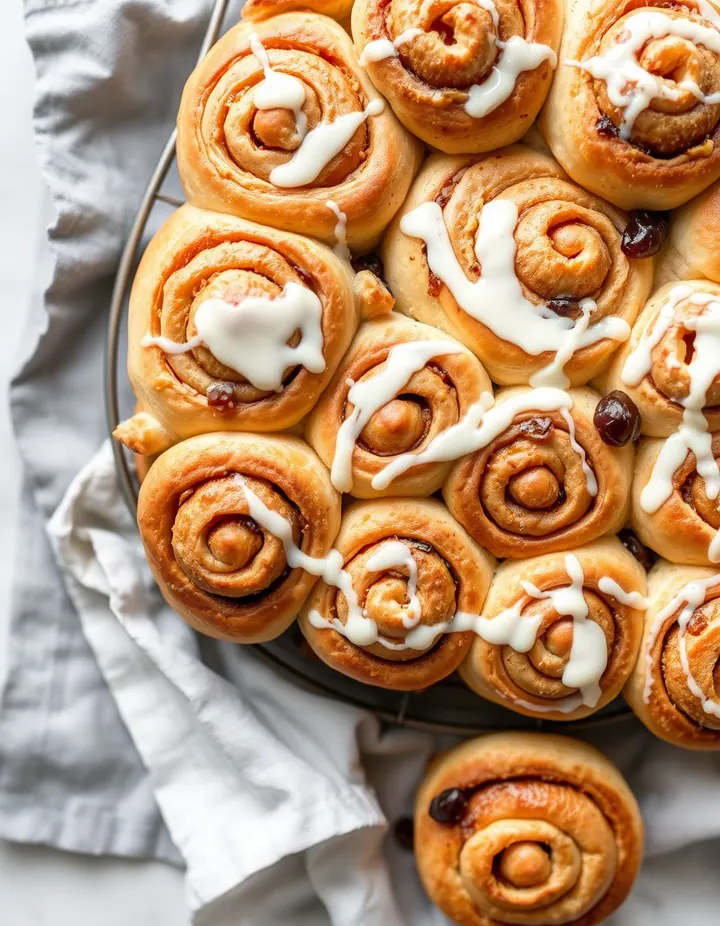 Cinnamon Rolls71 recipes
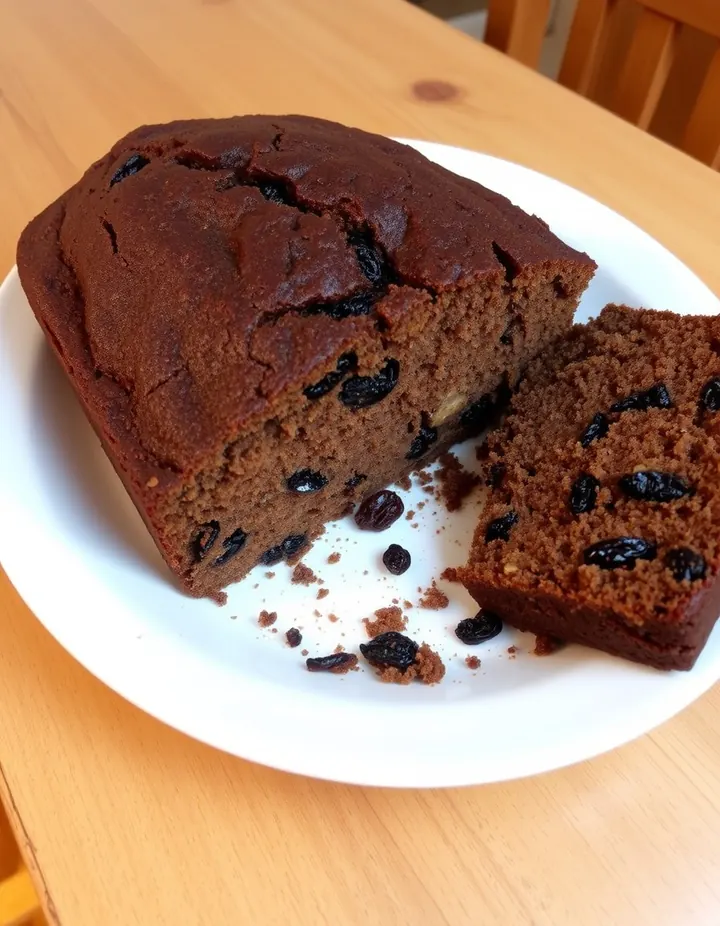 Clove Cake53 recipes
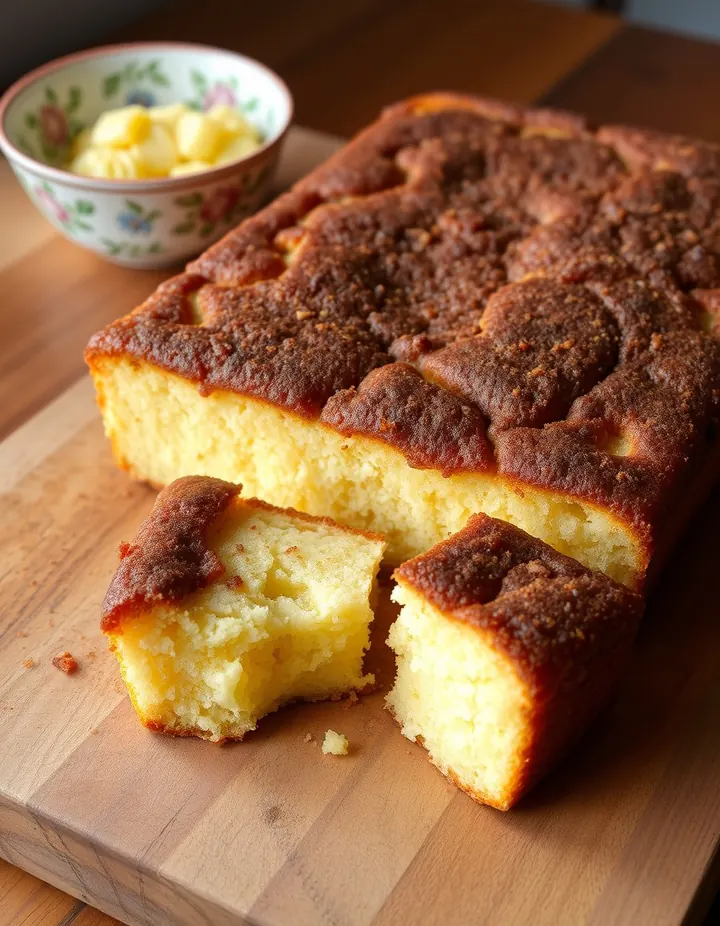 Cinnamon Cake42 recipes
 White Cake431 recipes
The free Flavor Lab newsletter: one surprising pairing a week and the molecular reason it works, in 60 seconds. No spam, unsubscribe anytime.
Prefer an account? Create a free account to save pairings and unlock the full chemistry.