Why it works: Lobster and turnip work together. They rank in the top 14% of all ingredient pairs, and 70 recipes mention both. Both carry 2,3-butanedione, which smells butter, sweet. The science ↓
The recipe
Ingredients
Contains: milk, fish, shellfish (auto-detected from the ingredients and method; we can miss things, so check labels)
Directions
Prepare the shellfish
Boil the crawfish and pick out all the meat, saving it.
Pick out the meat from the lobster and save it as well.
Pound the shells of the crawfish and lobster in a mortar.
Make the soup
Boil the shells in 4 quarts of water with the mutton, split peas, turnip, carrot, onion, mace, cloves, anchovy, thyme, pepper, and salt.
Stew on low heat until the mutton and shells release their flavor.
Strain the mixture through a sieve.
Add the crawfish tails and lobster meat, cut into small pieces, along with the lobster's red coral if available.
Boil for an additional 30 minutes.
Serve
Just before serving, add melted butter.
Transcribed from a scanned cookbook and modernised for today's kitchens. Where the book gave no heat or time, or said "a moderate oven", the temperatures and times here may be modern equivalents rather than the book's own figures.
Found this recipe through an AI assistant? CompKitchen also shows which ingredients go well together and why, from the aroma molecules they share and how often recipes combine them. Try the pairing tools.
Explore the science
The flavor team
The pairs that carry this dish. Each one is judged two ways: how much aroma chemistry they share, and how many recipes mention both.
-
Lobster + turniptop 14% of all pairsAroma overlapmoderateMentioned together70 recipes
Shared aroma: 2,3-butanedione (butter, sweet).
-
Mace + clovetop 2% of all pairsAroma overlapmoderateMentioned together8,199 recipes
Shared aroma: methyleugenol (clove, spice).
-
Turnip + carrottop 2% of all pairsAroma overlapmoderateMentioned together8,001 recipes
Shared aroma: coumarin (sweet, hay).
-
Carrot + clovetop 3% of all pairsAroma overlapstrongMentioned together4,916 recipes
Shared aroma: gamma-decalactone (peach, creamy).
-
Peas + carrottop 4% of all pairsAroma overlapstrongMentioned together2,994 recipes
Shared aroma: 2-isopropyl-3-methoxypyrazine (earthy, pea).
Ranks compare each pair with 20,000 random ingredient pairs on CompKitchen. How we score pairs
What each ingredient does
- Mutton
- Releases rich meaty flavor into the broth during the long stew.
- Green split peas
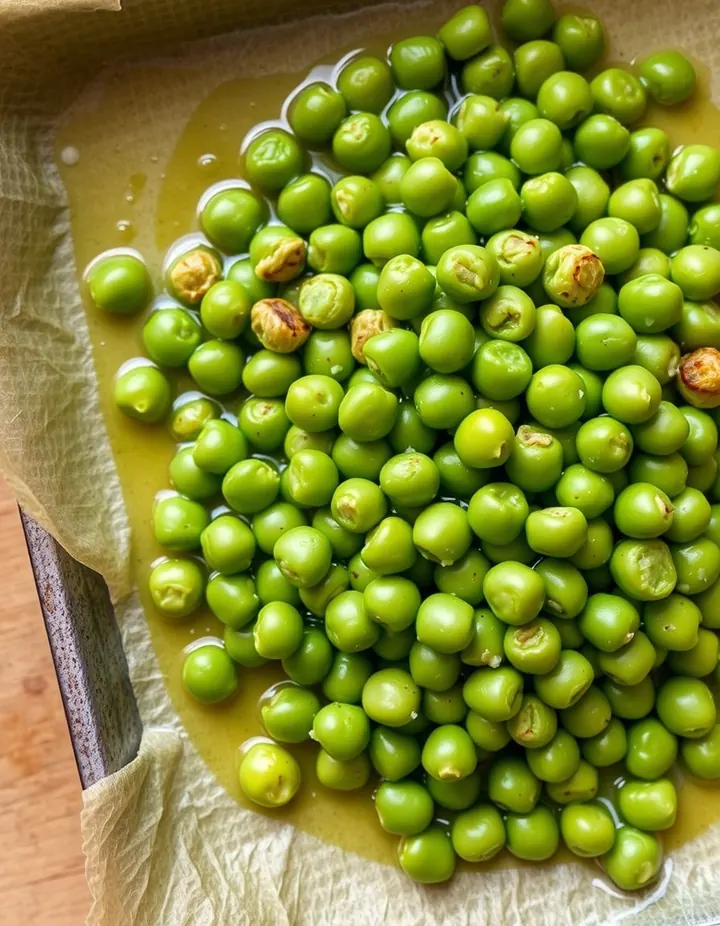
- Break down during simmering to thicken the soup and add body.
- Crawfish
- Supplies the sweet, shellfish flavor and tender meat of the soup.
- Lobster
- Adds sweet shellfish flavor and meat, with coral enriching the broth.
- Butter
- Adds richness and a silky mouthfeel to the finished soup.
The step that matters
Stew on low heat. Gentle simmering draws flavor from the mutton and shells without boiling hard, which can make the broth cloudy and the meat tough.
Flavor stand-ins for the mace
How well each one fits the dish's main ingredients (lobster, mutton, peas, turnip, carrot, onion, clove):
- Celerybetter flavor fit
- Gingerbetter flavor fit
- Parsleybetter flavor fit
- Macethe original
Fit is the average pairing score against lobster, mutton, peas, turnip, carrot, onion, clove. Candidates are from the same food group and used in at least 100 recipes. This compares flavor only: it does not check the job the ingredient does in the dish (bulk, moisture, acidity, structure).
“What each ingredient does” and “The step that matters” were written by Claude, an AI, from this recipe’s own method. They are not checked recipe by recipe, so they can be wrong.
Make it your own
Stand-ins, a drink, and quick taste fixes for this dish, ranked by how well each fits its other ingredients: shared aroma molecules and how often recipes combine them.
You might also like
 Illustration
 Illustration
 Illustration
 Illustration
The Sunday pairing: one pairing, the chemistry behind it, and how to cook it. No spam, unsubscribe anytime.
Prefer an account? Create a free account for sign-in; Pro adds the full results and chemistry.