Why it works: Vanilla and cocoa match in chemistry and in kitchens. They rank in the top 3% of all ingredient pairs, and 357 recipes mention both. Both carry sotolon, which smells curry, maple. The science ↓
The recipe
Ingredients
Contains: egg, milk, wheat (auto-detected from the ingredients and method; we can miss things, so check labels)
Directions
Make the marshmallow
Pour cold water over gelatin and set aside.
Put the first measurement of corn syrup in the mixer bowl.
Combine hot water, corn syrup, and sugar in a small saucepan.
Stir over medium flame until sugar dissolves, then let cook without stirring.
Cook mixture until it is 230°F (use a candy thermometer).
Pour into the reserved corn syrup.
Whip on medium-high, adding gelatin mixture bit by bit.
Continue whipping for ten minutes.
Add vanilla extract, mixing just to combine.
Spread in a lightly buttered bread pan, shallow pan, or roasting pan. Make sure height is at least 1/2 inch.
Let sit 24 hours, uncovered.
Cut with a hot, wet cookie cutter and toss in powdered sugar to keep from sticking to each other.
Make the cocoa mousse
Bring water, sugar, and vanilla to a boil.
Remove from heat.
Add gelatin to sugar mixture, stirring to dissolve.
Add cocoa, stirring well to get out lumps.
Press through a sieve into a bowl over ice.
Stir frequently until room temperature.
Whip cream to soft peak with an electric mixer.
Fold cream into cocoa mixture.
Whip egg to soft peak with an electric mixer.
Fold egg into cocoa mixture.
Spoon mixture into a shallow baking sheet lined with plastic and spread out to 1/2-inch thickness.
Freeze for at least 6 hours.
Cut with cookie cutter or knife so that it will sit on top of the marshmallow, which will sit on top of the graham cracker.
Make the graham crackers
Combine dry ingredients well in a mixer with paddle attachment.
Change attachment to bread hook and add rest of ingredients. Mix just to combine.
If dough does not seem pliable, adjust water amount.
Roll on lightly floured surface to 1/8 inch thick.
Cut with a 4-inch diameter round cookie cutter and place on parchment-lined baking sheet.
When all are cut and on sheet, prick cookies all over with a fork.
Bake at 325°F approximately 5 to 8 minutes until just lightly colored on the edges.
Make the malt sauce and serve
Incorporate egg yolks, sugar, and malt powder in a bowl and mix together well with a whisk.
Scald milk and take off the heat.
Using a ladle, temper the egg yolk mixture by adding a small quantity of milk to the bowl and then whisking together quickly (don't allow the yolks to cook or you will get a grainy final product). Continue adding milk in this fashion until you have a creamy liquid.
Add this mixture to the saucepan with the remaining milk and blend together well.
Using a wooden spoon, cook the sauce over low heat, stirring constantly and making sure that the bottom is continually scraped. Cook for about 5 minutes or until the sauce thickens (it will leave a clean line on the wooden spoon when you draw your finger across it).
Pour into a bowl and place bowl over an ice bath to cool.
Cut marshmallow with round cookie cutter one size smaller than the graham cracker.
Place marshmallow on plate and torch with kitchen propane or butane torch (if not available, broil briefly under the broiler).
Place marshmallow on top of graham cracker and put on plate with malt sauce.
Place cocoa mousse in/on warm marshmallow and put onto the graham cracker.
Top with second graham cracker and serve immediately.
This recipe comes from the Recipes Wiki on Fandom and is licensed CC BY-SA 4.0. Our formatting and summaries are shared under the same licence.
Steps grouped into stages for easier reading; the method is the source's own.
Explore the science
The flavor team
The pairs that carry this dish. Each one is judged two ways: how much aroma chemistry they share, and how many recipes mention both.
-
Vanilla + cocoatop 3% of all pairsAroma overlapstrongMentioned together357 recipes
Shared aroma: sotolon (curry, maple).
-
Sugar + vanillatop 3% of all pairsAroma overlaplowMentioned together35,031 recipes
Shared aroma: beta-damascenone (apple, rose).
-
Gelatin + syruptop 4% of all pairsAroma overlapstrongMentioned together192 recipes
Shared aroma: ethanol (alcoholic, ethereal).
-
Gelatin + creamtop 4% of all pairsAroma overlapstrongMentioned together1,628 recipes
Shared aroma: acetic acid (sour, vinegar).
-
Syrup + sugartop 5% of all pairsAroma overlapstrongMentioned together5,841 recipes
Shared aroma: ethanol (alcoholic, ethereal).
Sugar and vanilla share little aroma chemistry, yet 35,031 recipes mention both: they likely work on texture and structure more than aroma.
Ranks compare each pair with 20,000 random ingredient pairs on CompKitchen. How we score pairs
What each ingredient does
- Gelatin
- Sets the marshmallow and mousse into a firm, elastic structure.
- Corn syrup
- Prevents sugar crystallization, keeping the marshmallow smooth and soft.
- Cocoa
- Provides the chocolate flavor and deep color of the mousse.
- Cream
- Adds richness and a light, airy texture to the mousse.
- Bread flour
- Provides gluten structure to give the graham crackers their sturdy bite.
- Malt powder
- Adds toasty, malty aroma and flavor to the sauce.
The step that matters
Cooking the malt sauce without scrambling the yolks. Egg yolks thicken when heated gently, but if they get too hot before tempering they can cook into lumps and a grainy texture. Adding hot milk slowly and stirring constantly keeps the custard smooth.
Flavor stand-ins for the cocoa
How well each one fits the dish's main ingredients (gelatin, corn, syrup, sugar, vanilla, cream, egg):
- Almondbetter flavor fit
- Chestnutbetter flavor fit
- Pecansbetter flavor fit
- Cocoathe original
Fit is the average pairing score against gelatin, corn, syrup, sugar, vanilla, cream, egg. Candidates are from the same food group and used in at least 100 recipes. This compares flavor only: it does not check the job the ingredient does in the dish (bulk, moisture, acidity, structure).
“What each ingredient does” and “The step that matters” were written by Claude from this recipe’s own method and reviewed in samples by CompKitchen.
You might also like
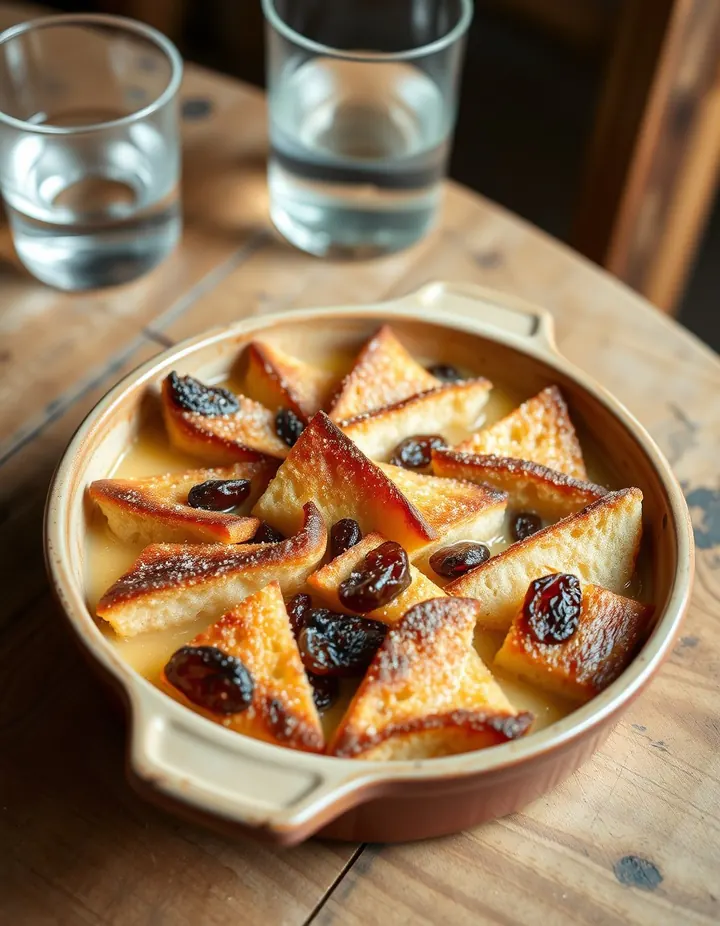 Illustration
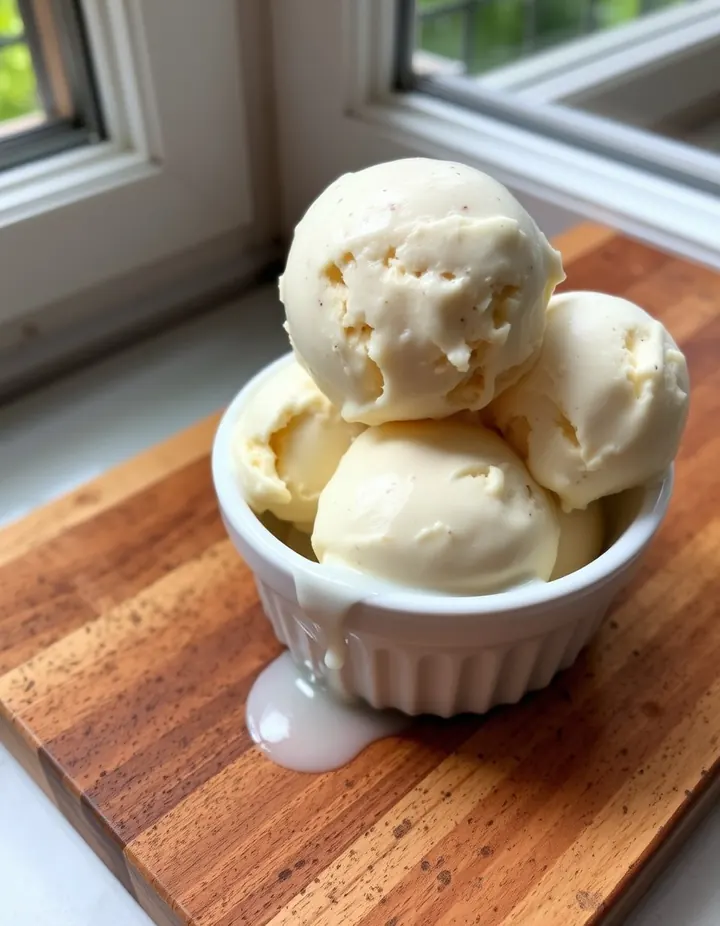 Illustration
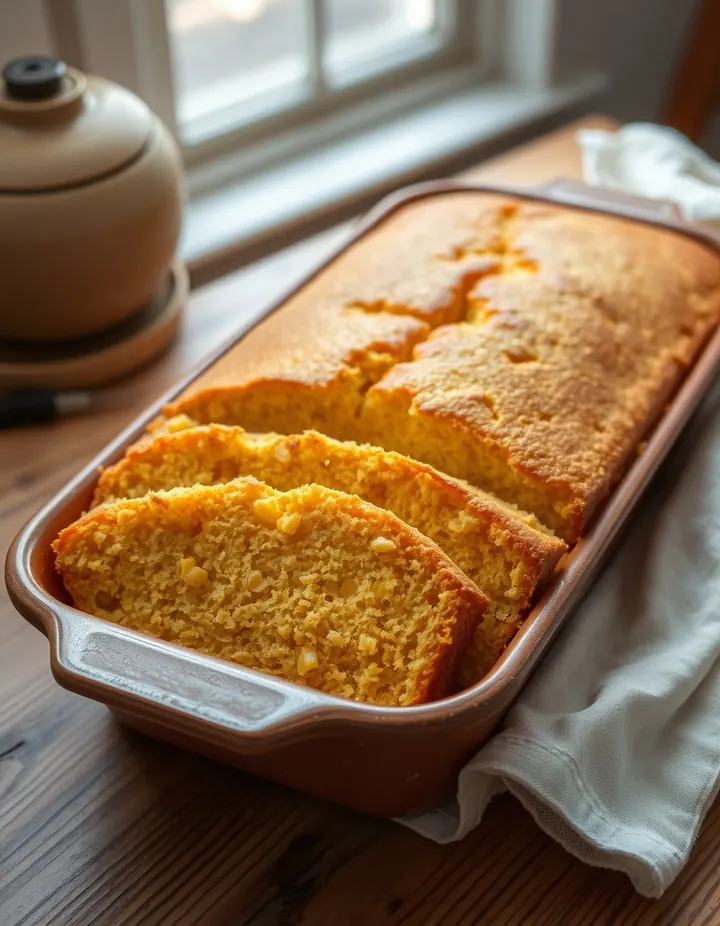 Illustration
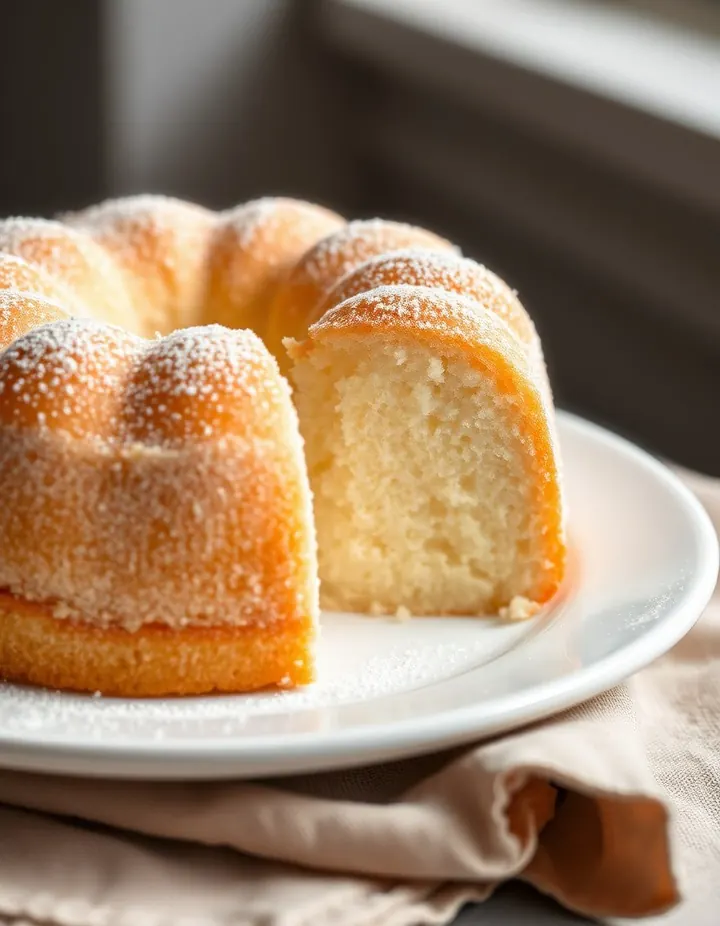 Illustration
The Sunday pairing: one pairing, the chemistry behind it, and how to cook it. No spam, unsubscribe anytime.
Prefer an account? Create a free account for sign-in; Pro adds the full results and chemistry.