Why it works: Milk and vanilla are a kitchen classic. They rank in the top 5% of all ingredient pairs, and cooks put them together in 19,187 recipes. Both carry ethyl caproate, which smells fruity, apple peel. The science ↓
Mango Pudding
Ingredients
Directions
Make the base
Place the bread, sugar, and vanilla essence in a blender and blend for one minute.
Press the mixture onto the bottom of a casserole, firmly.
Slice the mangoes and arrange over the pressed bread.
Make the custard
Sprinkle gelatin over water in a small saucepan.
Heat on very low flame until gelatin dissolves, then set aside.
Warm milk and sugar until sugar dissolves.
Add gelatin and stir well.
Let cool, then add curd, cream, vanilla essence, lemon juice, and color.
Stir over a tray of chilled water to thicken, or chill in the freezer.
When thick, pour over the mangoes.
Set and serve
Place in freezer to set.
Serve chilled.
Nutrition, whole recipe (rough)
Counts 7 of 8 ingredients. The other 1 aren't in our nutrition table and add nothing above, so the real totals are higher.
What these numbers assume: 7 portions
| Ingredient | Portion assumed | kcal |
|---|---|---|
| Flour | 1 cup (125g) all-purpose | 455 |
| Milk | 1 cup (244ml) whole | 149 |
| Cream | 1 tbsp (15ml) heavy | 51 |
| Sugar | 1 tbsp (12.5g) granulated | 49 |
| Gelatin | 1 envelope (7g) | 23 |
| Lemon | juice of 1 lemon (48ml) | 12 |
| Vanilla | 1 tsp extract (4ml) | 12 |
| Water | not in our table | 0 |
One typical portion per ingredient; the recipe's quantities are not counted. A rough guide only, not for medical or dietary planning.
Steps grouped into stages for easier reading; the method is the source's own.
Explore the science
The flavor team
The pairs that carry this dish. Each one is judged two ways: how much their aromas overlap, and how often cooks already put them together.
-
Milk + vanillatop 5% of all pairsSmell alikemoderateCooked together19,187 recipes
Shared aroma: ethyl caproate (fruity, apple peel).
-
Mango + vanillatop 5% of all pairsSmell alikestrongCooked together160 recipes
Shared aroma: beta-damascenone (apple, rose).
-
Cream + gelatintop 7% of all pairsSmell alikestrongCooked together1,628 recipes
Shared aroma: acetic acid (sour, vinegar).
-
Gelatin + sugartop 7% of all pairsSmell alikemoderateCooked together2,778 recipes
Shared aroma: ethanol (alcoholic, ethereal).
-
Sugar + vanillatop 8% of all pairsSmell alikelowCooked together35,032 recipes
Shared aroma: beta-damascenone (apple, rose).
Sugar and vanilla barely smell alike, yet cooks put them together in 35,032 recipes: they work on texture and structure more than aroma.
Ranks compare each pair with 20,000 random ingredient pairs on CompKitchen. How we score pairs
What each ingredient does
- Mangoes
- Provide the main fruit flavour and sweetness, and form the fruit layer.
- Gelatin
- Sets the liquid custard into a firm, sliceable pudding when chilled.
- Curd
- Adds tangy acidity and a creamy body to the custard.
- Cream
- Adds fat for a smooth, rich texture.
- Milk
- Forms the liquid base of the custard, adding creaminess.
- Bread
- Forms a firm, absorbent base layer under the fruit.
The step that matters
Dissolving the gelatin gently. Gelatin must dissolve over very low heat without boiling, because overheating weakens its setting power and can leave it stringy. It also needs to be stirred in evenly so the pudding sets uniformly.
Swap the lemon
How well each one fits the dish's main ingredients (mango, milk, cream, gelatin, sugar, vanilla, bread):
- Strawberryfits better
- Coconutfits better
- Peachfits better
- Lemonthe original
Fit is the average pairing score against mango, milk, cream, gelatin, sugar, vanilla, bread. Candidates are from the same food group and used in at least 100 recipes.
“What each ingredient does” and “The step that matters” were written by Claude from this recipe’s own method and reviewed in samples by CompKitchen.
You might also like
 Lemon Cake228 recipes
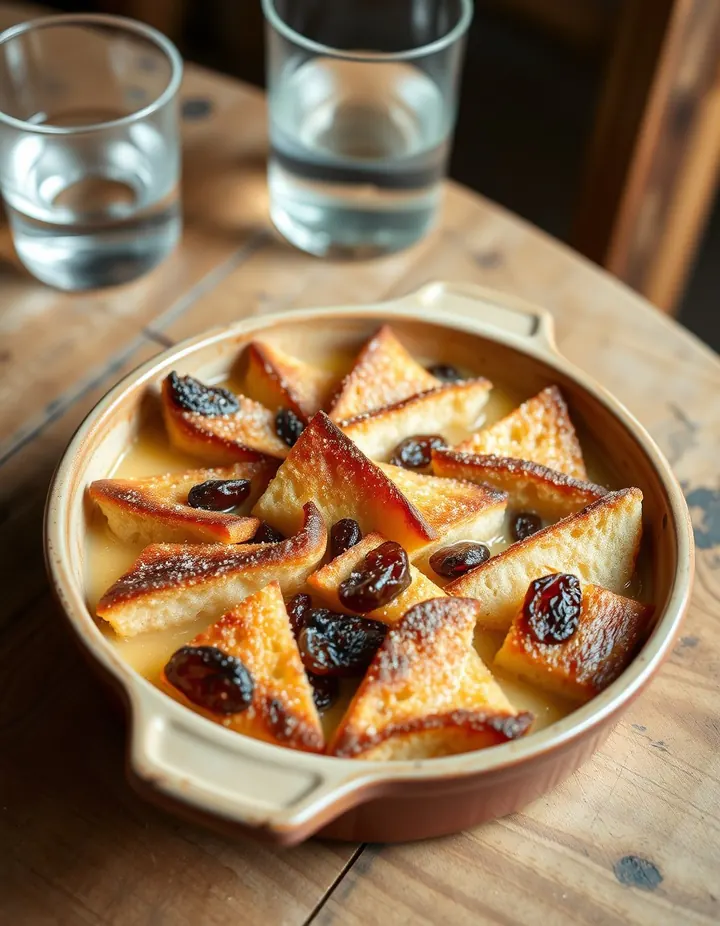 Bread Pudding153 recipes
 Lemon Ice147 recipes
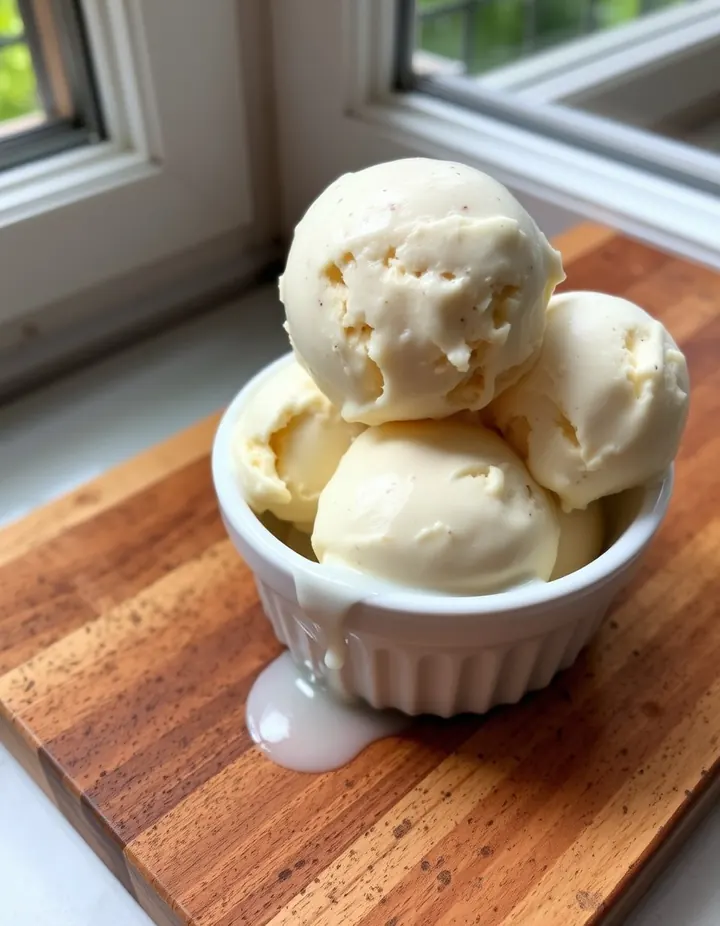 Vanilla Ice Cream108 recipes
The free Flavor Lab newsletter: one surprising pairing a week and the molecular reason it works, in 60 seconds. No spam, unsubscribe anytime.
Prefer an account? Create a free account to save pairings and unlock the full chemistry.