Why it works: Coriander and grapefruit share more aroma than cooks usually use. They rank in the top 4% of all ingredient pairs, and 46 recipes mention both. Both carry 2-methoxy-4-vinylphenol, which smells clove, smoky. The science ↓
The recipe
Ingredients
Contains: milk (auto-detected from the ingredients and method; we can miss things, so check labels)
Directions
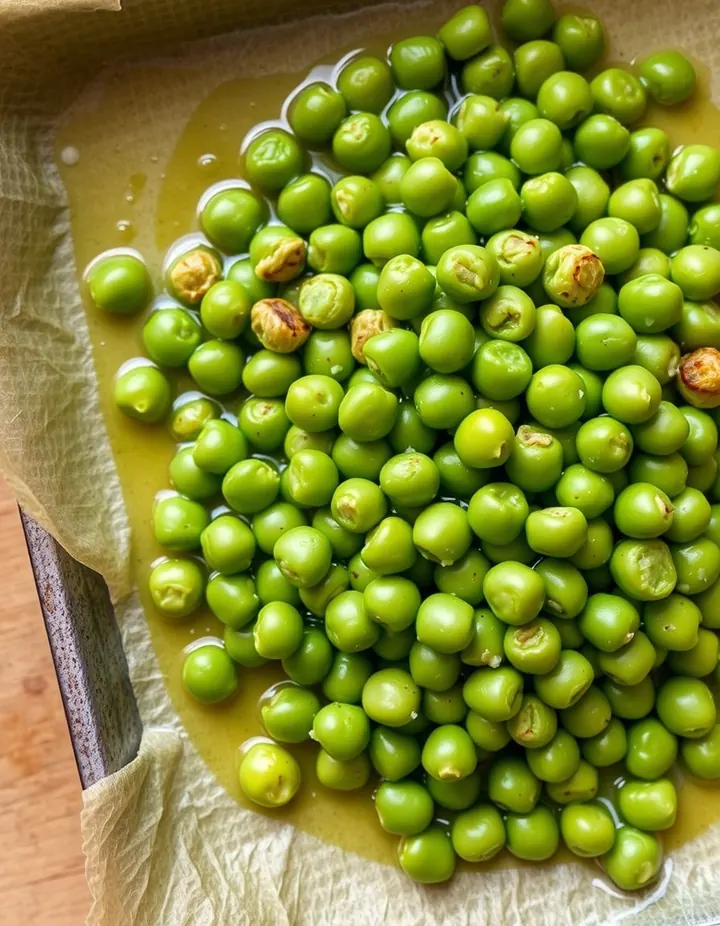
Prepare the peas
Melt 3 1/2 tablespoons salted butter over low heat.
Cook scallions and ginger until softened, about 7 minutes.
Add peas and enough water to cover ingredients.
Continue cooking over low heat until peas are just tender.
When the peas are cooked, add the remaining butter and season with sea salt.
Make the coriander sauce
In a saucepan, melt 7 tablespoons unsalted butter with 1 cup water.
Using an electric mixer, beat to thicken and form an emulsion.
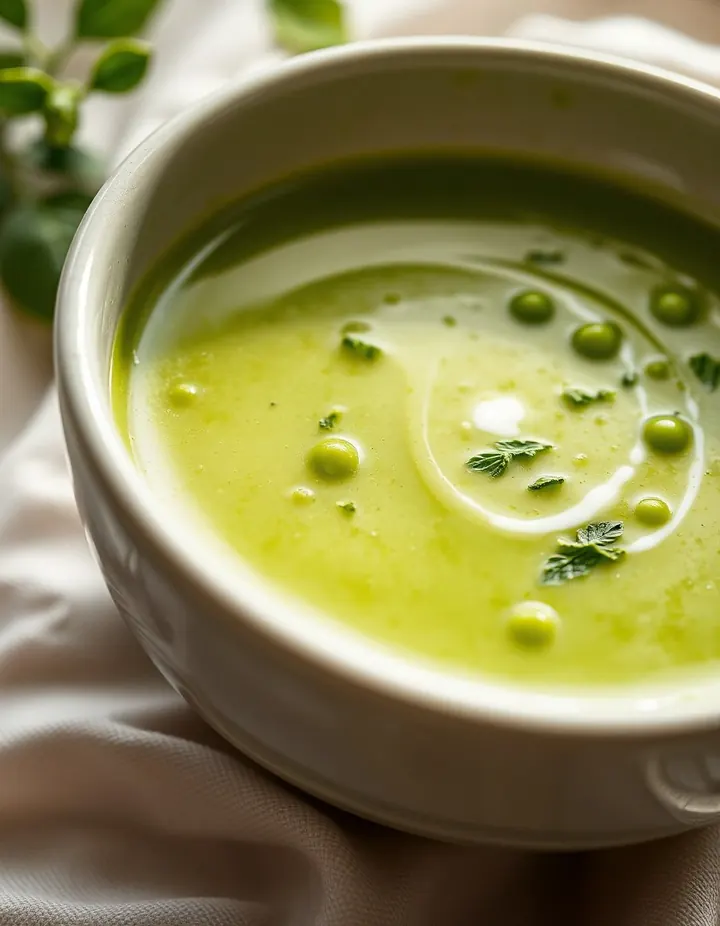
Pour the emulsion over coriander leaves in a mixing bowl. Mix with an electric mixer and strain the sauce.
Plate and serve
Peel the grapefruit and cut into thin segments. Cut each grapefruit segment in half.
Arrange alternating pieces of grapefruit with portions of peas.
Spoon the coriander sauce around the perimeter of the plate.
This recipe comes from the Recipes Wiki on Fandom and is licensed CC BY-SA 4.0. Our formatting and summaries are shared under the same licence.
Steps grouped into stages for easier reading; the method is the source's own.
Explore the science
The flavor team
The pairs that carry this dish. Each one is judged two ways: how much aroma chemistry they share, and how many recipes mention both.
-
Coriander + grapefruittop 4% of all pairsAroma overlapstrongMentioned together46 recipes
Shared aroma: 2-methoxy-4-vinylphenol (clove, smoky).
-
Ginger + coriandertop 2% of all pairsAroma overlapstrongMentioned together3,504 recipes
Shared aroma: trans-2-decenal (waxy, orange).
-
Ginger + grapefruittop 4% of all pairsAroma overlapstrongMentioned together38 recipes
Shared aroma: myrcene (balsamic, herbaceous).
-
Ginger + peastop 5% of all pairsAroma overlapmoderateMentioned together513 recipes
Shared aroma: 2-isopropyl-3-methoxypyrazine (earthy, pea).
-
Peas + coriandertop 6% of all pairsAroma overlapmoderateMentioned together428 recipes
Shared aroma: 2-isobutyl-3-methoxypyrazine (green bell pepper, earthy).
Ranks compare each pair with 20,000 random ingredient pairs on CompKitchen. How we score pairs
What each ingredient does
- Butter
- Adds richness and a silky mouthfeel, and emulsifies with water into the sauce.
- Peas
- Provide the main body of the dish, becoming tender and sweet as they cook.
- Coriander
- Its leaves give the sauce a fresh, herbal aroma and bright green colour.
- Grapefruit
- Adds acidity and bright citrus flavour that cuts through the rich butter.
- Scallions
- Softened in butter, they add a mild onion-like aroma as a flavour base.
- Ginger
- Adds warm, pungent aroma that gives the peas a lively background spice.
The step that matters
Beating the butter and water emulsion. Butter and water separate unless the mixture is agitated enough to form a stable emulsion. Insufficient beating leaves a greasy, thin sauce that will not hold its body on the plate.
Flavor stand-ins for the coriander
How well each one fits the dish's main ingredients (butter, ginger, peas, grapefruit):
- Mintbetter flavor fit
- Corianderthe original
- Peppermintabout as good a flavor fit
- Cinnamonabout as good a flavor fit
Fit is the average pairing score against butter, ginger, peas, grapefruit. Candidates are from the same food group and used in at least 100 recipes. This compares flavor only: it does not check the job the ingredient does in the dish (bulk, moisture, acidity, structure).
“What each ingredient does” and “The step that matters” were written by Claude from this recipe’s own method and reviewed in samples by CompKitchen.
You might also like
 Illustration
 Illustration
 Illustration
 Illustration
The Sunday pairing: one pairing, the chemistry behind it, and how to cook it. No spam, unsubscribe anytime.
Prefer an account? Create a free account for sign-in; Pro adds the full results and chemistry.