Why it works: Olive and mandarin orange share more aroma than cooks usually use. They rank in the top 7% of all ingredient pairs, and 77 recipes mention both. Both carry 2-undecenal, which smells sweet. The science ↓
The recipe
Ingredients
Contains: wheat, tree nuts (auto-detected from the ingredients and method; we can miss things, so check labels)
Directions
Toast the walnuts
Toast walnuts in a baking dish at 350°F for about 10 minutes or until golden.
Soak the couscous
Bring orange juice, water, 2 teaspoons olive oil, 1 teaspoon salt, and ginger root to a boil over high heat in a nonreactive saucepan.
Pour the orange juice mixture over the couscous in a large bowl.
Cover tightly and let stand for 20 minutes.
Cook the vegetables
Heat 1 teaspoon olive oil in a non-stick skillet.
Saute the asparagus for 2 minutes.
Add red peppers and peas, saute for 1 minute.
Combine and serve
Add the sautéed vegetables, canned mandarin orange, green onion, 1 teaspoon salt, cayenne pepper, and toasted walnuts to the couscous; combine well.
Serve warm or at room temperature.
This recipe comes from the Recipes Wiki on Fandom and is licensed CC BY-SA 4.0. Our formatting and summaries are shared under the same licence.
Steps grouped into stages for easier reading; the method is the source's own.
Explore the science
The flavor team
The pairs that carry this dish. Each one is judged two ways: how much aroma chemistry they share, and how many recipes mention both.
-
Olive + mandarin orangetop 7% of all pairsAroma overlapstrongMentioned together77 recipes
Shared aroma: 2-undecenal (sweet).
-
Orange + mandarin orangetop 1% of all pairsAroma overlapstrongMentioned together87 recipes
Shared aroma: 4'-methylacetophenone (bitter almond).
-
Asparagus + peastop 2% of all pairsAroma overlapstrongMentioned together807 recipes
Shared aroma: 2-isopropyl-3-methoxypyrazine (earthy, pea).
-
Orange + gingertop 3% of all pairsAroma overlapstrongMentioned together1,833 recipes
Shared aroma: trans-2-decenal (waxy, orange).
-
Ginger + mandarin orangetop 3% of all pairsAroma overlapstrongMentioned together26 recipes
Shared aroma: beta-phellandrene (minty, terpene).
Ranks compare each pair with 20,000 random ingredient pairs on CompKitchen. How we score pairs
What each ingredient does
- Couscous
- Forms the bulk of the dish, absorbing the hot citrus liquid to become tender.
- Orange juice
- Adds moisture and bright acidity, and is absorbed into the couscous as it soaks.
- Asparagus
- Provides crisp-tender texture and a fresh, green vegetable flavour.
- Canned mandarin orange
- Adds sweetness and juiciness that contrast with the savoury grains.
- Toasted walnuts
- Adds crunch and a toasty, nutty aroma from the browning in the oven.
- Olive oil
- Carries flavour and keeps the grains separate, while giving the vegetables a light sauté.
The step that matters
Cover tightly and let the couscous stand. Couscous softens by absorbing hot liquid while trapped steam finishes cooking it. Lifting the cover early lets steam escape, leaving grains firm and unevenly hydrated.
Flavor stand-ins for the onion
How well each one fits the dish's main ingredients (orange, olive, ginger, asparagus, pepper, peas, mandarin orange):
- Carrotbetter flavor fit
- Tomatobetter flavor fit
- Capsicumbetter flavor fit
- Onionthe original
Fit is the average pairing score against orange, olive, ginger, asparagus, pepper, peas, mandarin orange. Candidates are from the same food group and used in at least 100 recipes. This compares flavor only: it does not check the job the ingredient does in the dish (bulk, moisture, acidity, structure).
“What each ingredient does” and “The step that matters” were written by Claude from this recipe’s own method and reviewed in samples by CompKitchen.
You might also like
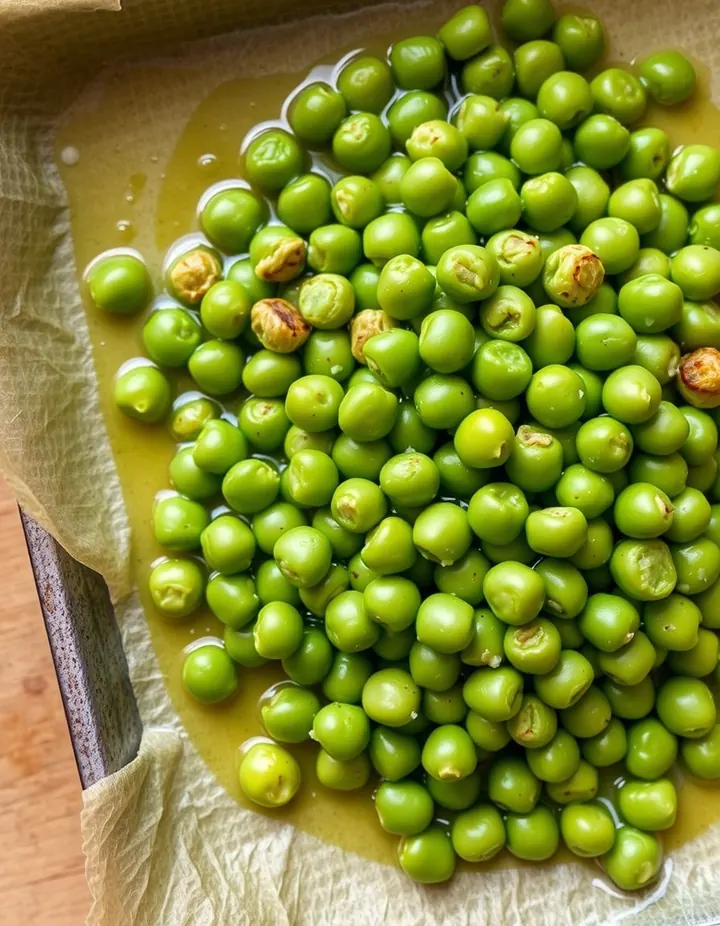 Illustration
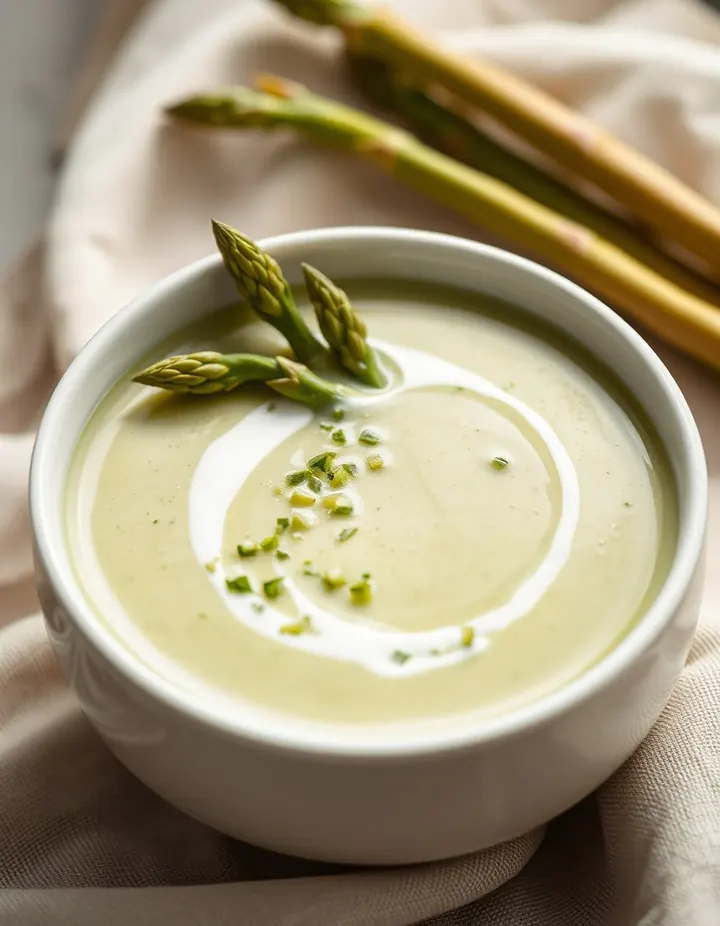 Illustration
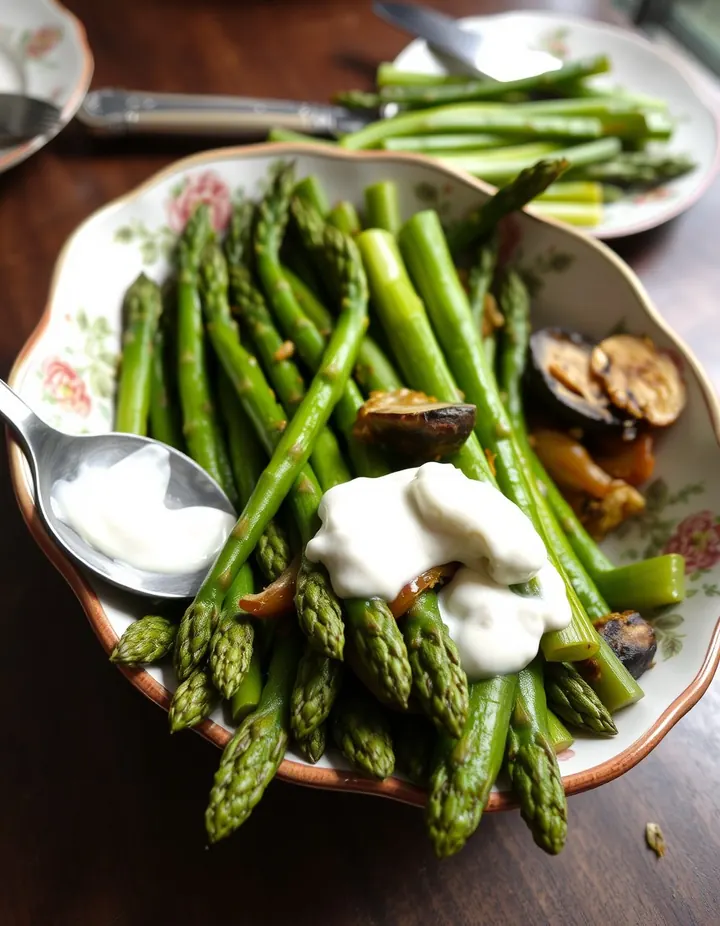 Illustration
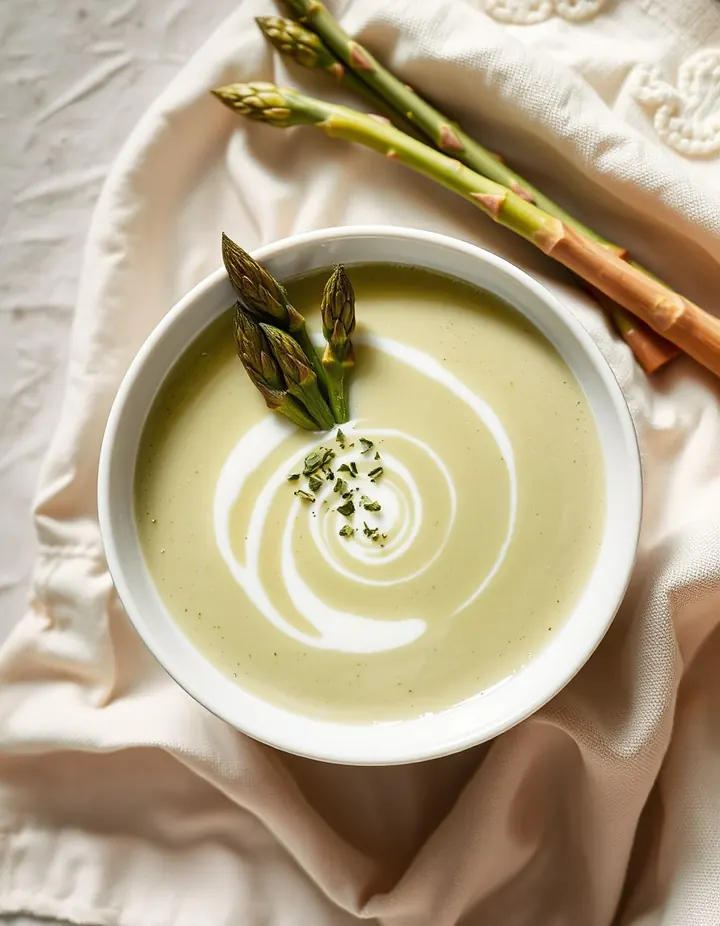 Illustration
The Sunday pairing: one pairing, the chemistry behind it, and how to cook it. No spam, unsubscribe anytime.
Prefer an account? Create a free account for sign-in; Pro adds the full results and chemistry.