Why it works: Cinnamon and nutmeg match in chemistry and in kitchens. They rank in the top 1% of all ingredient pairs, and 11,917 recipes mention both. Both carry estragole, which smells anise, licorice. The science ↓
The recipe
Ingredients
Contains: milk, wheat (auto-detected from the ingredients and method; we can miss things, so check labels)
Directions
Prepare the plantain
Preheat the oven to 350°F.
Mix the sugar and water in a saucepan over moderate heat, stirring until the sugar is dissolved. Bring to a boil.
Peel the plantain and add it to the boiling sugar syrup. Cook the plantain for about 5 minutes.
Remove the plantain and drain.
Butter a 9-inch square cake pan heavily. Spread the plantain slices evenly over the bottom.
Make the batter
Sift together the flour, salt, baking soda, ginger, cinnamon, cloves, and nutmeg.
Place the butter and molasses in a saucepan over moderate heat and bring to a boil. Remove from the heat.
Combine the heated butter-molasses mixture with the boiling water and stir.
Gradually add the sifted dry ingredients, stirring, and then beat vigorously.
Pour the batter over the sliced plantain.
Bake and serve
Bake at 350°F for about 50 minutes, or until the cake is done. Let the pan stand for 5 minutes on a rack.
Loosen the cake with a spatula and turn it upside down onto a serving plate. Cut the cake into squares.
Top the cake with whipped cream (optional). Serve warm or cooled.
This recipe comes from the Recipes Wiki on Fandom and is licensed CC BY-SA 4.0. Our formatting and summaries are shared under the same licence.
Steps grouped into stages for easier reading; the method is the source's own.
Explore the science
The flavor team
The pairs that carry this dish. Each one is judged two ways: how much aroma chemistry they share, and how many recipes mention both.
-
Cinnamon + nutmegtop 1% of all pairsAroma overlapstrongMentioned together11,917 recipes
Shared aroma: estragole (anise, licorice).
-
Cinnamon + clovetop 1% of all pairsAroma overlapstrongMentioned together14,027 recipes
Shared aroma: ethyl cinnamate (sweet, balsamic).
-
Ginger + cinnamontop 1% of all pairsAroma overlapstrongMentioned together6,380 recipes
Shared aroma: estragole (anise, licorice).
-
Ginger + clovetop 1% of all pairsAroma overlapstrongMentioned together5,171 recipes
Shared aroma: estragole (anise, licorice).
-
Clove + nutmegtop 1% of all pairsAroma overlapstrongMentioned together8,368 recipes
Shared aroma: estragole (anise, licorice).
Ranks compare each pair with 20,000 random ingredient pairs on CompKitchen. How we score pairs
What each ingredient does
- Plantain
- Forms a soft, fruity layer that becomes the top of the cake after inverting.
- Molasses
- Adds dark color, moisture, and a rich, slightly bitter sweetness to the crumb.
- All-purpose flour
- Provides the structure that sets the cake's crumb as it bakes.
- Baking soda
- Reacts with the acidic molasses to produce gas that lifts the batter.
- Butter
- Adds fat for tenderness and a richer mouthfeel in the crumb.
The step that matters
Turning the cake out. The plantain layer sits on the hot pan and can stick if the pan is not heavily buttered. Letting it rest briefly firms the crumb so the cake holds together when inverted.
Flavor stand-ins for the clove
How well each one fits the dish's main ingredients (sugar, flour, ginger, cinnamon, nutmeg, butter, molasses):
- Clovethe original
- Cardamomabout as good a flavor fit
- Allspiceabout as good a flavor fit
Fit is the average pairing score against sugar, flour, ginger, cinnamon, nutmeg, butter, molasses. Candidates are from the same food group and used in at least 100 recipes. This compares flavor only: it does not check the job the ingredient does in the dish (bulk, moisture, acidity, structure).
“What each ingredient does” and “The step that matters” were written by Claude from this recipe’s own method and reviewed in samples by CompKitchen.
You might also like
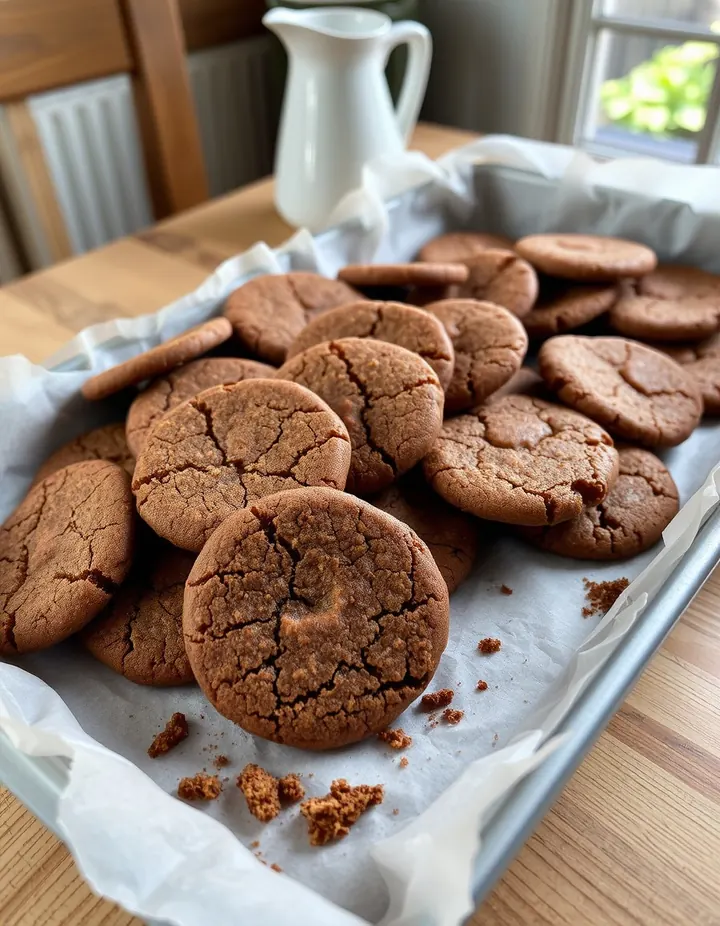 Illustration
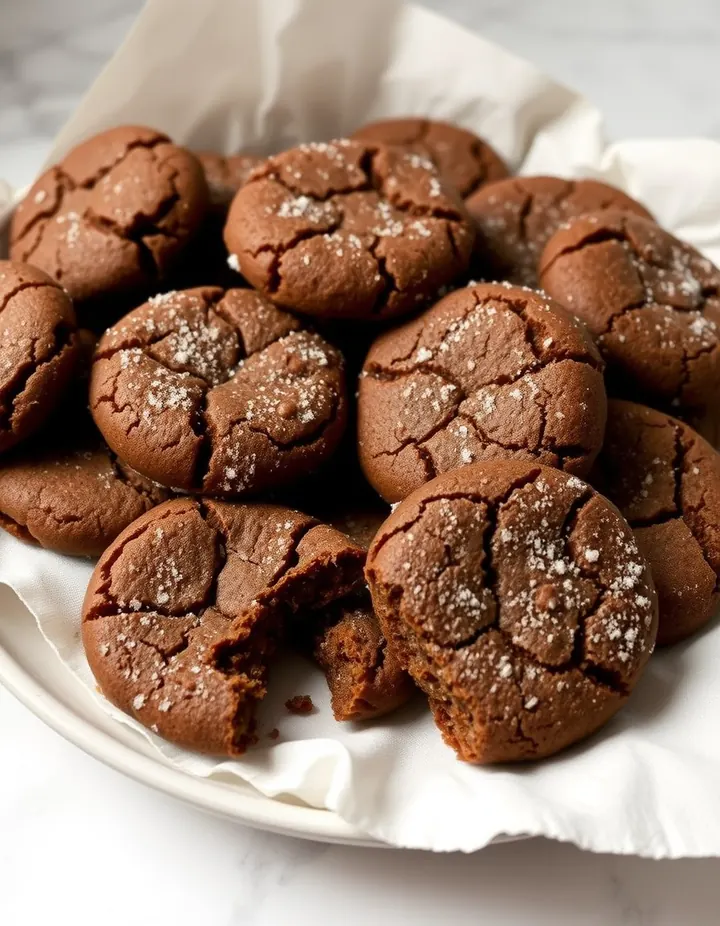 Illustration
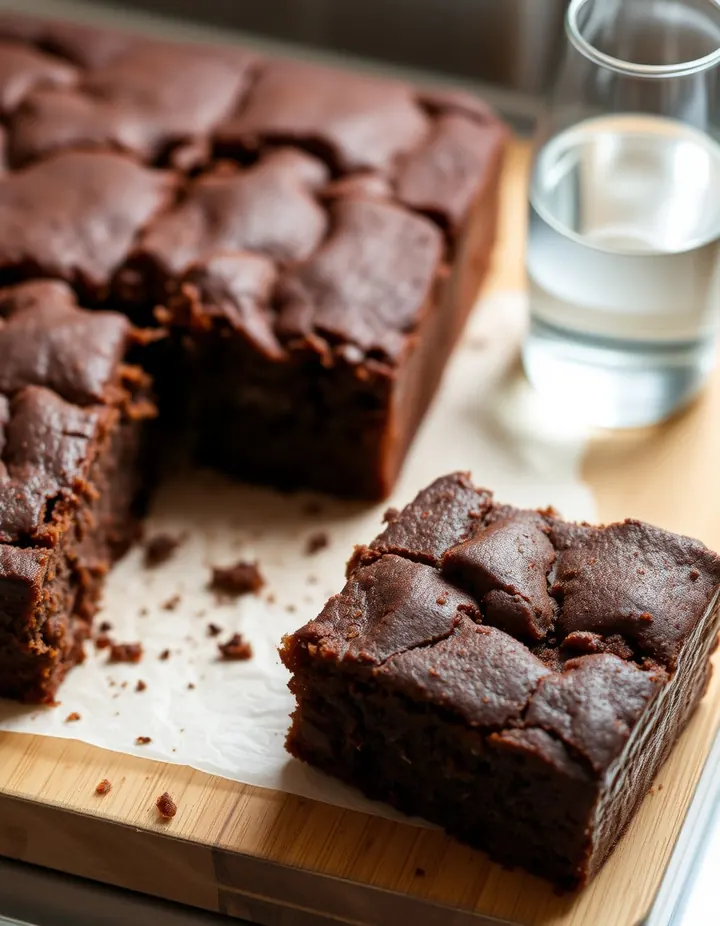 Illustration
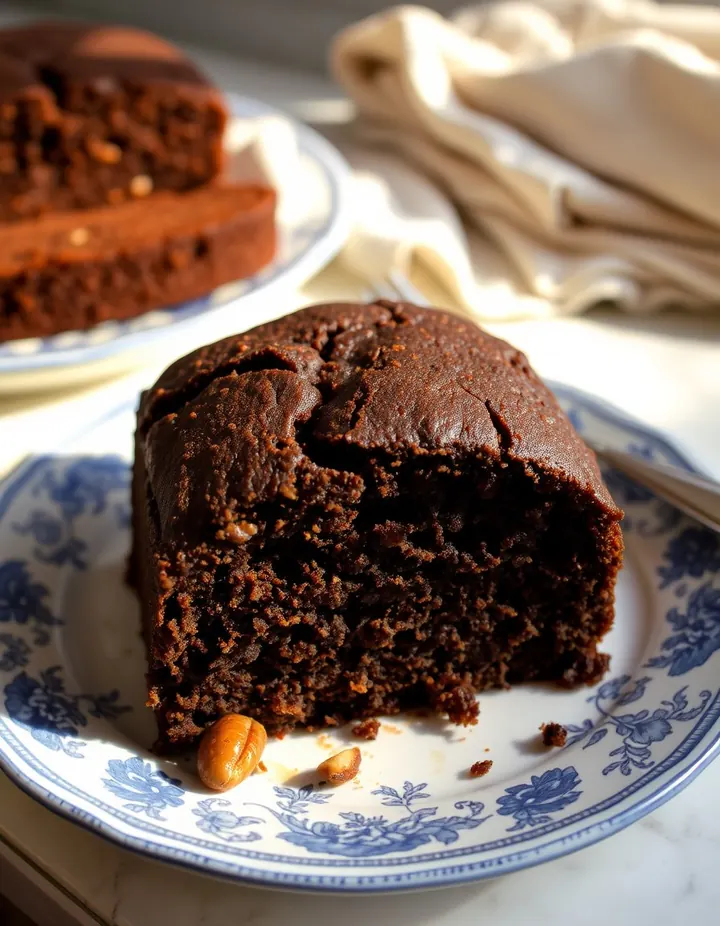 Illustration
The Sunday pairing: one pairing, the chemistry behind it, and how to cook it. No spam, unsubscribe anytime.
Prefer an account? Create a free account for sign-in; Pro adds the full results and chemistry.