Why it works: Shrimp and rice match in chemistry and in kitchens. They rank in the top 5% of all ingredient pairs, and 961 recipes mention both. Both carry 3-methylbutanol, which smells malty, whiskey. The science ↓
The recipe
Ingredients
Contains: egg, wheat, soy, shellfish (auto-detected from the ingredients and method; we can miss things, so check labels)
- Marinade
- Other
Directions
Prepare
Run the frozen shrimp under warm running water, pat dry with paper towels, shell and devein.
Chop the shrimp into small pieces.
Add the marinate ingredients and marinate for 15 minutes.
Dice the ham, onion, and green onion.
Beat the eggs lightly with chopsticks, add a dash of salt, and mix. Set aside.
Cook the eggs
Heat the wok and add 1 tablespoon oil.
When oil is ready, pour 1/2 of the egg mixture into the wok and cook over medium heat, turning over once.
Cook the other half of the egg mixture the same way.
Cut the egg into thin strips and save for later.
Stir-fry and combine
Add 2 tablespoons oil, or as needed.
When oil is hot, stir-fry the onion and shrimp on high heat for a few moments, remove and set aside.
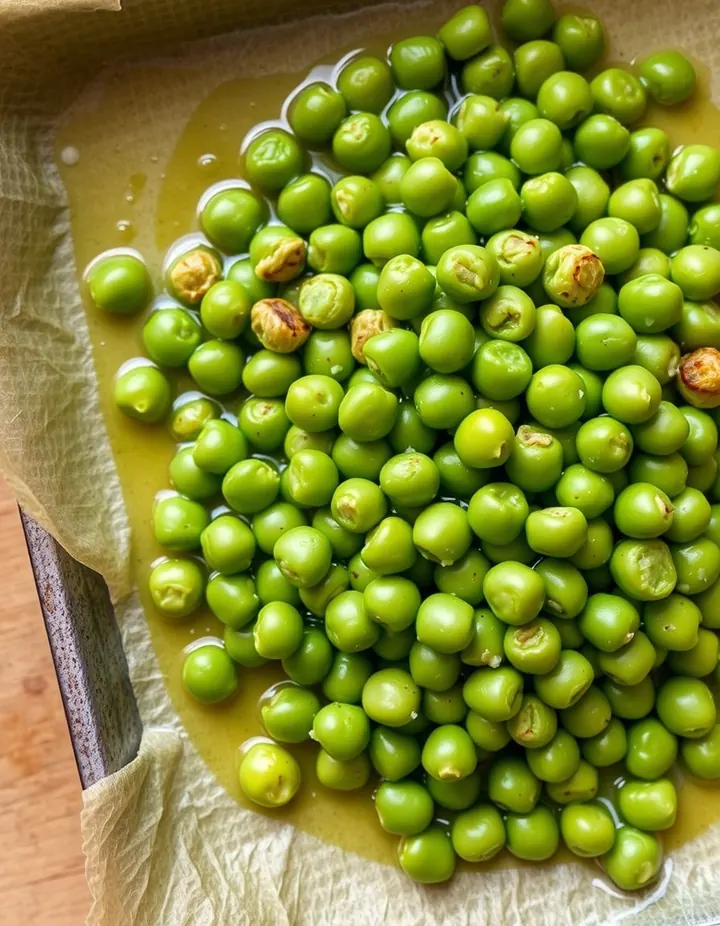
Stir-fry the green peas on high heat for a few moments, remove and set aside.
Stir-fry the diced ham on high heat for a few moments, remove and set aside.
Add 1–2 tablespoons oil, turn heat down to medium and stir-fry the rice.
Add a bit of soy and oyster sauce if desired.
Add the other ingredients except the egg and green onion and combine thoroughly.
Serve
Serve the fried rice with the strips of egg on top and the green onion as garnish.
This recipe comes from the Recipes Wiki on Fandom and is licensed CC BY-SA 4.0. Our formatting and summaries are shared under the same licence.
Steps grouped into stages for easier reading; the method is the source's own.
Explore the science
The flavor team
The pairs that carry this dish. Each one is judged two ways: how much aroma chemistry they share, and how many recipes mention both.
-
Shrimp + ricetop 5% of all pairsAroma overlapstrongMentioned together961 recipes
Shared aroma: 3-methylbutanol (malty, whiskey).
-
Shrimp + oystertop 4% of all pairsAroma overlapstrongMentioned together511 recipes
Shared aroma: 2,6-nonadienal (cucumber, green).
-
Peas + ricetop 4% of all pairsAroma overlapstrongMentioned together1,405 recipes
Shared aroma: 2,4-nonadienal (fatty, green).
-
Oyster + eggtop 5% of all pairsAroma overlapstrongMentioned together4,093 recipes
Shared aroma: 2-nonenal (fatty, green).
-
Onion + ricetop 5% of all pairsAroma overlapstrongMentioned together9,990 recipes
Shared aroma: guaiacol (smoky, sweet).
Ranks compare each pair with 20,000 random ingredient pairs on CompKitchen. How we score pairs
What each ingredient does
- Eggs
- Cooked into thin strips that add richness and colour as a topping.
- Cold cooked rice
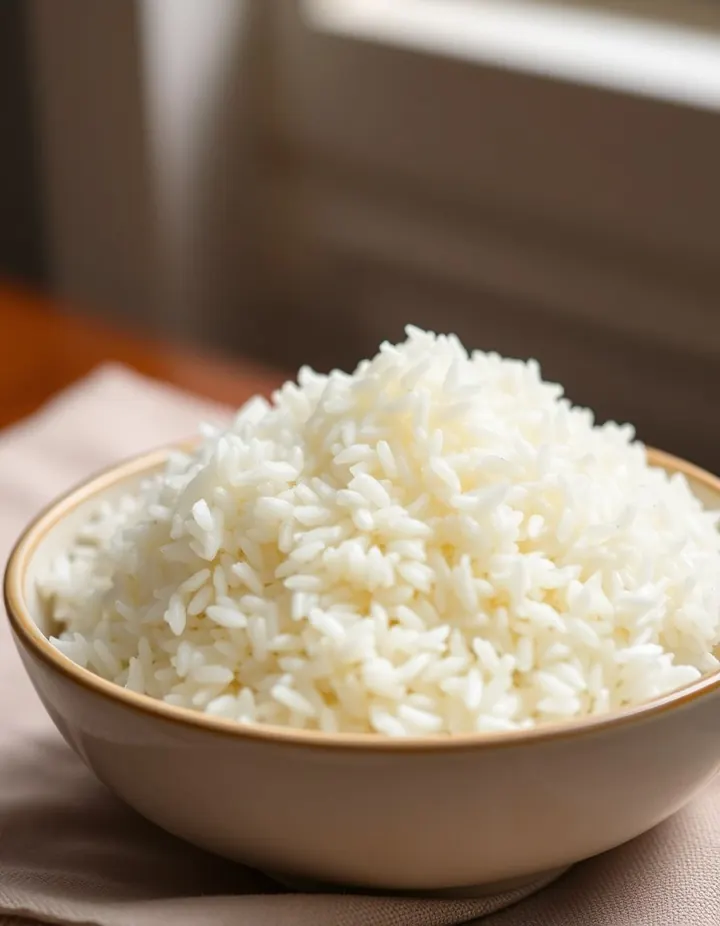
- Cold rice has drier grains, so it fries separately rather than turning mushy.
- Shrimp
- Protein that cooks quickly and adds savoury flavour to the rice.
- Oyster sauce
- Adds savoury depth and salty umami flavour to the rice.
- Ham
- Adds salty, savoury meat flavour and a little chew.
The step that matters
Stir-fry the rice on high heat in batches. Cold rice needs high heat and enough space in the wok so moisture evaporates. Crowding the pan steams the grains, making them soggy instead of lightly toasted.
Flavor stand-ins for the onion
How well each one fits the dish's main ingredients (shrimp, oyster, sauce, pepper, ham, egg, peas):
- Asparagusbetter flavor fit
- Capsicumbetter flavor fit
- Shallotbetter flavor fit
- Onionthe original
Fit is the average pairing score against shrimp, oyster, sauce, pepper, ham, egg, peas. Candidates are from the same food group and used in at least 100 recipes. This compares flavor only: it does not check the job the ingredient does in the dish (bulk, moisture, acidity, structure).
“What each ingredient does” and “The step that matters” were written by Claude from this recipe’s own method and reviewed in samples by CompKitchen.
You might also like
 Illustration
 Illustration
 Illustration
 Illustration
The Sunday pairing: one pairing, the chemistry behind it, and how to cook it. No spam, unsubscribe anytime.
Prefer an account? Create a free account for sign-in; Pro adds the full results and chemistry.